
Budget-Friendly Baby Sleepwear for New Parents

Key Takeaways
- Newborn sleepwear comes down to three things: onesies for layering, footed rompers for warmth, and sleep sacks that replace loose blankets.
- The AAP advises against loose blankets in cribs, which is why a wearable sleep sack is the safer call for overnight stretches.
- Carter's 2-way zip sleep and play sets run about $30 per 2-pack, with bottom zippers that save you during 3 a.m. diaper changes.
- Loose-fitting cotton pajamas have to be flame-resistant by law. Snug-fit cotton carries a "not flame resistant" label because the tight fit already lowers fire risk.
- Gerber stocks Sleep 'N Plays and footed pajamas from preemie to 5T, so one brand can carry you for years.
- Bamboo earns its parent-tested fans as a soft, breathable option for sensitive skin, but it costs more than a cotton multi-pack.
What newborns actually need to sleep in
Newborns sleep most of the day, so what they sleep in matters more than almost anything else in the nursery. Three categories cover it: onesies, footed rompers, and sleep sacks. Get those right and you've handled nearly every nap and overnight stretch of the first few months. Buy enough of each to survive your laundry cycle without buying clothes your baby outgrows in weeks.
The three building blocks
Short or long-sleeve onesies layer under everything. Footed rompers keep little feet warm without loose socks that slide off. Sleep sacks replace loose blankets, which the AAP flags as a safe-sleep risk.
Footed rompers pull double duty. Two-way zipper styles, like the Carter's 2-way zip sleep and play set at around $30 for a 2-pack, let you change a diaper from the bottom without unzipping the whole thing. That convenience pays for itself the first night you use it half-asleep.
Read the tag: flame resistance and breathability
Two safety features should drive every purchase. First, flame resistance. Loose-fitting cotton pajamas must be flame-resistant by law. Snug-fit cotton gets a "not flame resistant" label because the close fit reduces fire risk on its own. The snug fit is the safety feature, not a downgrade.
Second, breathability. Overheating is a known SIDS risk factor, and cotton and bamboo both move air and wick moisture well. Skip heavy fleece in a warm room. A lighter sleep sack with a low TOG rating works better across more of the year.
Comparing the budget brands
A quick look at popular newborn sleepwear across price, fabric, and safety:
| Brand | Price Range | Fabric Type | Safety Feature |
|---|---|---|---|
| Carter's | ~$30 / 2-pack | Cotton blend | Snug-fit, 2-way zip |
| Gerber | Budget | Cotton | Snug-fit sleepwear |
| Halo | Mid-range | Cotton / polyester | Sleep sack design |
| Little Sleepies | Premium | Bamboo | Snug-fit, breathable |
| Target (Cloud Island) | Budget | Cotton | Snug-fit basics |
Target's in-house line covers the basics without straining a new-parent budget. Glamour's roundup of affordable baby clothes is a solid starting point across retailers. If sustainability matters to you, this guide to eco-friendly baby pajamas breaks down brands worth a look.
The short version: build your starter kit around onesies, footed rompers, and sleep sacks. Prioritize flame-resistant labels and breathable cotton or bamboo. Budget lines from Target, Gerber, and Carter's deliver safe basics without overspending.
Where to put it all
Good storage starts with one rule: keep what your baby wears most within reach. Current-size pieces go at eye level or in the top drawer. The next size up gets pushed to higher shelves or back bins. That keeps midnight changes fast and stops you from digging through clothes that don't fit yet.
A simple closet organizer with hanging shelves does most of the work. Use it to separate onesies, footed rompers, and sleep sacks into their own slots. Add drawer dividers so small items stay sorted instead of collapsing into one tangled pile.
What storage actually works
Bins and baskets grouped by category and size. Fabric bins fit closet shelves and drawers. Open baskets let you grab a sleep sack without unstacking everything on top of it. Label each one so whoever's watching your baby finds the right piece in seconds.
On a tight budget, cardboard works surprisingly well. Cut shipping boxes to drawer height, cover them in leftover wrapping or contact paper, and you've got free dividers that look about as good as store-bought.
A setup that holds up:
- Sort by size first: newborn, 0-3 months, and 3-6 months each get their own bin.
- Then sort by type: onesies in one, footed rompers in another, sleep sacks in a third.
- Label everything: masking tape and a marker, done.
Set up a rotation that keeps fit-right clothes in front
Pull three or four sets into a front bin for the week. Refill it from your backup stock as laundry comes out of the dryer. Most-worn pieces stay in front, spares stay in back.
This matters because babies outgrow sizes fast. When a piece gets snug, send it straight to a donate box instead of back into the drawer. You always reach for clothes that fit, and you spot what to restock before you run out.
The budget brands worth your money
Affordable sleepwear comes down to a few reliable brands that balance price, softness, and easy nighttime changes. The best value picks pair multi-packs with simple closures, so you spend less per piece and fight fewer 2 a.m. snaps. Here are the standouts.
Best overall: Simple Joys by Carter's
Simple Joys takes the top spot for stretching a dollar, with footed cotton pajamas often sold in 3-packs near $24.
The multi-pack format is the real draw. You rotate three matched pairs through the wash without scrambling for a clean one mid-week, and parent testers consistently rank these footed sleepers among the best baby pajamas for exactly that reason. At that price you can keep a full week stocked and still stay inside a tight nursery budget. Pull-on and zip styles both beat fumbling with snaps when you're half-asleep.
Widest size range: Gerber
Gerber wins on sizing and selection. The brand carries Sleep 'N Plays, footed PJs, and more across sizes from preemie all the way to 5T, so one label can follow your kid from the hospital through the toddler years. Browse the full Gerber baby sleepwear collection to match styles to each stage.
That range pays off for budget shoppers. Sticking with one brand means consistent fit and fewer surprises between purchases. Buy the next size up during a sale and you lock in low prices before you need the item.
Where else to look
Plenty of mainstream retailers stock affordable sleepwear beyond the specialty labels. Familiar names like Gap and Nordstrom drop prices fast on seasonal markdowns.
How to think about each tier:
- Specialty footed PJs: best for zip convenience and consistent sizing across stages.
- Big-box and department stores: best for multi-pack deals and quick in-person restocks.
- Bamboo options: softer feel and more stretch, usually pricier than cotton multi-packs.
Bamboo deserves a quick note. These brands lean on bamboo-blend fabric for breathability and give, but you'll pay more per piece than for cotton. If money's tight, cotton multi-packs stretch further.
How to spend when the budget's tight
Start with one footed multi-pack as your base. Simple Joys covers that at the lowest cost per piece, and a bundled set keeps clean pairs within reach during back-to-back changes.
Then fill gaps with whatever's on sale at the broader retailers above. You don't need to match brands. You need pieces that fit, wash well, and close easily. For more ways to trim spending without cutting quality, this guide on budget-friendly baby clothes is worth a read. Buy a size ahead during clearance and you'll keep costs low through every growth spurt.
Dressing for the season without overthinking it
The right sleepwear mostly comes down to the weather. The same footed romper that keeps your baby warm in January will roast them in July. Match the fabric weight to the season and you dodge both chilly wake-ups and sweaty, restless nights.
A decent rule for any season: dress your baby in one more light layer than you'd want to sleep in yourself.
Winter nights
Layer instead of bundling. Start with a long-sleeve cotton onesie, add a footed romper, then top it with a wearable sleep sack rated for warmth. Layers trap heat better than one thick garment, and you can peel one off if the room warms up.
Reach for fleece or thicker cotton sleep sacks in the cold months. Skip loose blankets entirely. If your baby's hands feel cool but their chest is warm, they're fine. Cold hands alone don't mean they need another layer.
Summer nights
Go lightweight and breathable. Single-layer cotton or muslin in short-sleeve onesies and footless styles lets air move and pulls sweat away, so your baby sleeps cooler. A thin muslin sleep sack works on warm nights when you still want safe-sleep coverage. Sweat on the neck or back is your cue to drop a layer.
Spring and fall: dress for the swing
Transitional seasons jump from warm afternoons to cool nights, so flexibility matters most. Keep a mid-weight cotton sleep sack on hand alongside both short and long-sleeve onesies. Pick the base layer off that night's forecast, not the daytime high.
Budget seasonal sets make this easier. Buying onesies in multi-packs across two sleeve lengths covers most of the year without a separate shopping trip per season. There are practical, affordable options in this guide to buying budget-friendly baby clothes. Rotate the layers, not the whole wardrobe, and one set of basics carries your baby through every season.
Why cheap and safe aren't opposites
Babies grow fast, and that growth turns sleepwear into a recurring cost. Most families cycle through several sizes in the first year alone. Affordable options keep that turnover from draining your budget while still protecting your baby through every nap and overnight stretch.
Safe sleepwear isn't a luxury. It's a core part of how your baby stays warm, comfortable, and free from loose-fabric risks. And safe doesn't have to mean expensive. You can find well-made footed pajamas and onesies without paying premium prices.
Why affordable matters for families
Babies outgrow clothes in weeks, not years. Cheaper per-piece pricing lets you buy enough rotation to cover laundry cycles, and it frees up money for diapers, formula, and the rest of the constant costs.
For low-income families, the math gets tighter. A single growth spurt can mean replacing an entire drawer. Budget multi-packs and discount retailers make that possible without skipping other essentials. You can shop stylish, affordable baby clothes across a wide price range.
Secondhand and outlet sources stretch a tight budget further still. Gently used sleepwear often costs a fraction of retail, and babies barely wear pieces long enough to show wear. That makes resale and discount stores a smart first stop, not a last resort.
Who gets the most out of budget sleepwear
Three groups, really. Low-income families, health-conscious parents, and parents of babies with sensitive skin. Each needs safe, comfortable sleepwear without the boutique price tag.
Parents of babies with sensitive skin care about fabric, not labels. Soft cotton matters more than a designer name, and affordable brands deliver that softness fine.
Health-conscious parents want safe closures and snug-fitting designs that meet sleep guidelines. Budget pricing means you can replace a piece the moment it frays or stretches out, instead of pushing a worn set too far.
Letting a tool do the price hunting
Finding cheap, safe sleepwear gets easier when you let a shopping tool handle the filtering. Instead of opening a dozen retailer tabs, you set your criteria once and compare real options side by side. Here's how to work through it.
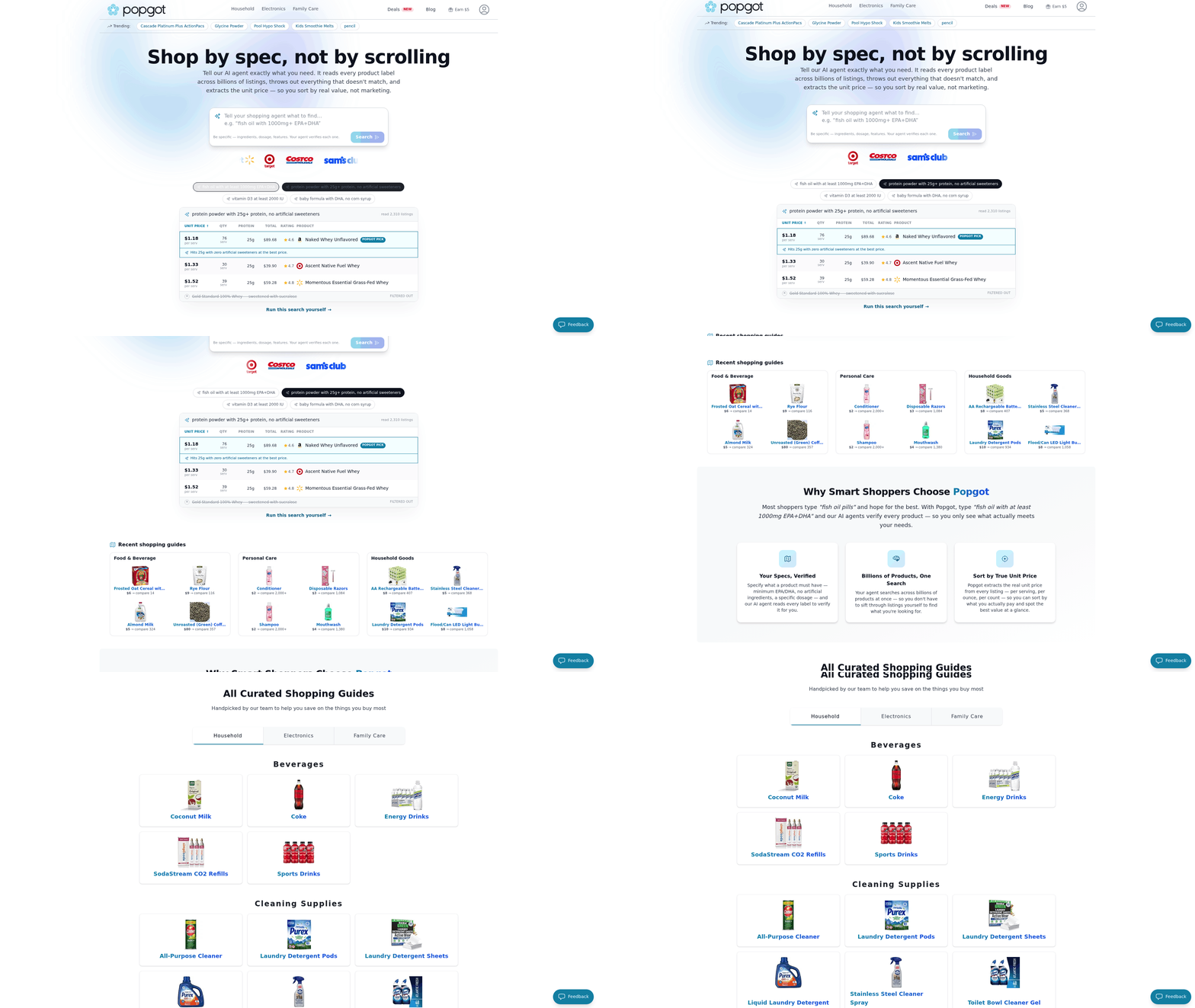
Filtering for safe, affordable picks
Start with AI Product Verification. It checks listings against safety standards, so you see sleepwear that clears the bar before it ever hits your cart. That saves you from cross-referencing flammability and fit labels yourself.
Set your filters first: size range, fabric weight for your season, and a price ceiling. The verification layer then flags items that match both your budget and the safety bar, so a too-loose or non-compliant romper never clutters your results.
The fastest way to compare prices
Use Multi-Retailer Search to pull the same item's price across stores in one view. Type in a footed pajama or a multi-pack of onesies and the results line up by cost. Say you want a two-pack of zip sleepers. The search shows each retailer's price together, so you spot the cheapest in seconds. Prices swing a lot between stores, and checking several is how you actually save.
Stack the savings by pulling up discounts and promo codes before checkout. The platform surfaces active deals tied to your matched items, so you apply a code instead of paying full sticker.
A shortcut: curated guides
Browse the Curated Shopping Guides when you want to skip the open-ended search. These hand-picked roundups group budget-friendly picks by category, so you're not starting from scratch.
They work best for new parents who don't yet know which pieces to prioritize. You get a focused shortlist of onesies, rompers, and sleep sacks that already clear the price and safety filters. Pair that with a quick multi-retailer check and you've got a full rotation without overpaying.
Building a full rotation for less
You don't need a big budget to cover stretch. The trick is timing your buys, stacking discounts, and leaning on secondhand and bulk sources. Sorting by real unit price instead of sticker price tells you which sleepers actually deliver before you buy.
Start by buying one size up before you need it. Babies jump sizes fast, so a 6-month sleeper bought on clearance today costs far less than a full-price one bought the week it fits.
Timing sales and discounts
Shop the calendar, not the moment you run out. Major holiday weekends and end-of-season clearance drop sleepwear prices the deepest. That's when to stock in bulk.
Then layer your savings. Combine a clearance price with an online promo code or a multi-pack deal and your per-piece cost drops again. Sign up for retailer email lists before you shop. The welcome discount alone often covers a footed romper or two.
Bulk works best on basics you know your baby will wear. Onesies and plain sleepers in the next two sizes are safe bets. Skip bulk on seasonal-specific pieces you might not need by the time they fit.
Finding cheap secondhand sleepwear
Thrift stores and online marketplaces are the strongest value play for clothes worn a few weeks before they're outgrown. Resale baby sites and local parent groups move gently used sleepers in bundles for a fraction of retail.
Check zippers, snaps, and seams before you buy used. A stuck zipper at 2 a.m. wipes out the savings. Wash everything before first wear.
DIY stretches the budget further. A soft cotton tee you've outgrown becomes a no-sew swaddle, and an old onesie can patch a torn romper sleeve. Keep it simple and skip loose threads or attachments near the face.
One honest carve-out: don't DIY anything that has to meet flame-resistance rules. For snug-fit sleepwear standards, buy compliant pieces and save the upcycling for blankets and play clothes.
References
Com - https://www.thebump.com/a/baby-pajamas
[2] Baby Pajamas | Cozy Sleepwear for Babies & Toddlers - https://www.gerberchildrenswear.com/collections/sleepwear?srsltid=AfmBOop9cxjX-iBO-JkOqZxIxG-sz4UZhTT7pTUiZtFJnqvUwfkFcJco
glamour.com/story/best-affordable-baby-clothes
Frequently Asked Questions
1. How many sleepwear pieces does a newborn actually need to start?
Plan for six to eight pieces per size to cover laundry cycles without overbuying. A practical starter kit is three to four footed sleepers, three onesies, and two sleep sacks. Babies outgrow sizes in weeks, so resist stocking deep on newborn sizes you'll replace fast.
2. What TOG rating should I choose for a baby sleep sack?
Match the TOG rating to room temperature. A 0.5 TOG suits warm rooms above 75°F, a 1.0 TOG fits 69-74°F, and a 2.5 TOG handles cool rooms below 68°F. Lower TOG sacks work year-round in most homes and reduce overheating risk during sleep.
3. When should a baby transition out of a swaddle into a sleep sack?
Stop swaddling once your baby shows signs of rolling, typically around 8 weeks to 4 months. Switch to a sleeveless wearable sleep sack with arms free at that point. Rolling while swaddled raises suffocation risk, so the transition is a safety milestone, not just comfort.
4. How should I wash baby sleepwear before the first wear?
Wash all new sleepwear in fragrance-free, dye-free detergent before first use to remove manufacturing residues that irritate sensitive skin. Use warm water and skip fabric softener, which coats fibers and can reduce a flame-resistant treatment's effectiveness. Always check care tags, since bamboo often requires lower heat drying.
5. Is it safe to wash flame-resistant pajamas with regular detergent?
Use standard detergent, but avoid soap flakes and fabric softeners on flame-resistant garments. These products leave a coating that reduces flame resistance over time. Snug-fit cotton labeled "not flame resistant" relies on close fit for safety, so following care instructions keeps its protective qualities intact through repeated washes.
6. How do I size up sleepwear without wasting money on clearance buys?
Buy one size ahead during clearance, but track your baby's growth curve to avoid overshooting. Brands like Gerber span preemie to 5T, so consistent sizing reduces guesswork. Tools like Popgot let you compare unit prices across retailers, helping you confirm a clearance deal beats the regular multi-pack price.
7. Can I use hand-me-down or thrifted sleep sacks safely?
Secondhand sleep sacks are fine if you inspect them carefully first. Check that zippers and snaps work, seams are intact, and no fabric is stretched or thinning. Wash before use. Avoid older items with loose threads, hoods, or attachments near the face that don't meet current safe-sleep standards.