
Cheap Whey Protein: Compare Prices Across Amazon, Walmart, and Target

Key Takeaways
- Nutricost Whey Protein Concentrate gives you 25 grams per serving at $0.78 to $1.15. That is near the best budget value.
- 25 grams is enough to trigger muscle protein synthesis, not the 60-gram mega-servings some premium tubs advertise.
- Price per gram of actual protein tells a truer story than the shelf sticker.
- That math takes label reading most shoppers skip.
- Solid whey powders run 20 to 30 grams per scoop.
- The cleanest formulas keep the ingredient list short, mostly whey and lecithin.
- Store brands like Walmart's Equate cut the deepest.
- You trade away the track record name brands have earned.
- Protein powder won't build muscle without a calorie surplus.
- Chasing high-gram servings often means paying for protein your body cannot use in one sitting.
Why cheap whey isn't the compromise you think
Cheap whey protein isn't a downgrade. When we run millions of products through our price engine, the thing that surprises budget shoppers most is that the best protein-per-dollar rarely sits on the premium shelf. Budget concentrates hold up fine in testing, as Garage Gym Reviews found.
Most people buy protein by the tub, not by the gram. We flip that. We read every label and calculate the real unit price, so you see how much protein your dollar actually buys and which additives came along for free. Once the math is done, finding affordable whey stops being a guessing game.
How much protein per serving do you actually need?
Registered dietitian Perry Nix says 25 grams is enough to trigger muscle protein synthesis. That one fact reframes the whole value question for budget shoppers.
Some premium tubs push huge serving sizes to look serious, but nutrition experts point back to standard scoops. Dump too much in one sitting and the excess mostly goes to waste. Muscle growth needs the whole nutrition picture, not just a bigger scoop, as Mike Roussell, Ph.D., notes in that same Men's Health review.
Where the real savings and real risks sit
Store brands cut the deepest. Name brands own the trust. Walmart's Equate runs around $19.87 against Optimum Nutrition near $79.97. But Optimum Nutrition's Gold Standard has over 134,000 Amazon reviews at 83% five stars, and the store brands carry almost none.
| Option | Protein/serving | Price signal | Verified reviews |
|---|---|---|---|
| Nutricost Concentrate | 25g | $0.78–$1.15/serving | 4/5 tested rating |
| Legion Whey+ | 22g | $1.99/serving | milder-flavor favorite |
| Optimum Nutrition Gold Standard | 24g | ~$79.97/tub | 134,000+ reviews |
| Equate (Walmart) | - | ~$19.87/tub | minimal reviews |
That's the budget whey paradox. Shoppers report no recovery difference between cheap and premium, but cheaper tubs carry higher odds of fillers. The fix isn't avoiding budget brands. It's reading the label first. Tell our AI agent which ingredients and additives you want to skip, and it reads every product label to verify each one, so you only see budget picks that match your specs. Run your own search and sort by real unit price to surface the cleanest value.
Who benefits most from affordable whey?
Anyone hitting a daily protein target on a fixed grocery budget. Parents feeding active teens, students, and lifters logging high volume feel the per-gram difference fastest. If your only goal is meeting your macros, skip the premium markup. Save it for a flavor or texture you genuinely like, say Legion Whey+, which reviewers rate well for a milder taste.
Amazon whey protein options
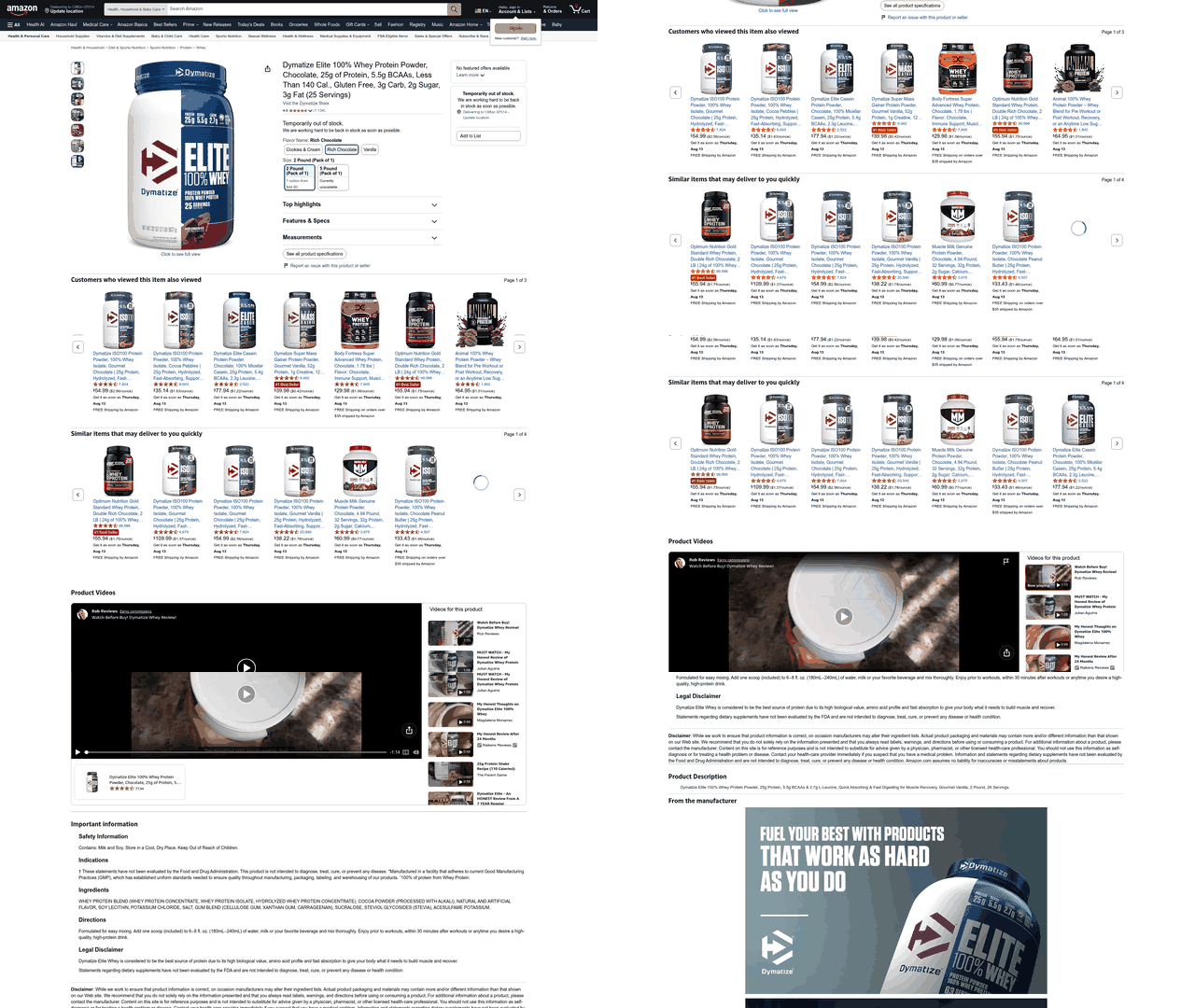
Amazon dominates the cheap whey conversation for one reason: you can sort 300+ products in under 30 seconds. Shoppers head there for selection. The hard part is separating real value from padded formulas. Plenty of sub-$1 options hover around 60% protein density because they bulk the scoop with maltodextrin or coconut powder. Popgot's AI checks ingredients against your specs to catch those fillers. In our experience, shoppers who filter by lowest price end up with less actual protein than they paid for.
Top budget options on Amazon
MuscleTech NitroTech lands at $1.02 per 30-gram scoop with 30 grams of protein plus added creatine and BCAAs. The French Vanilla Swirl flavor earned good marks for smooth texture and fast absorption. It sits between isolate pricing and concentrate value, which suits lifters who want the anabolic extras without buying separate supplements.
Isopure Zero Carb runs $1.45 per serving but delivers 25 grams of whey isolate with zero lactose, so it's the pick for dairy sensitivity. The ingredient list is short: whey protein isolate, natural flavors, soy lecithin. No gums, no artificial sweeteners. Third-party testing confirms the label claims, and the Alpine Punch flavor consistently beats competitors in blind taste tests run by independent reviewers.
Dymatize ISO100 costs $1.65 per serving with 25 grams of hydrolyzed whey isolate. Not the cheapest, but testers praise the mixing: no clumps, no chalky residue. The Gourmet Chocolate delivers on drinkability. If you value recovery speed over the absolute lowest price, this one doesn't punish your taste buds.
Amazon vs. Walmart and Target pricing
Amazon's edge is selection and Prime shipping, but pricing moves between retailers. MuscleTech products can swing $8 or more across Amazon, Walmart, and Target for the same 4-pound tub, depending on promotions and timing. That gap flips when Target runs a sale or when you count same-day pickup.
Some Amazon reviews flag digestive trouble from cheaper whey that leans on lactose-heavy concentrate blends or adds inulin for texture. Budget doesn't mean you skip the ingredient panel. We see this pattern on repeat: shoppers chase the lowest number, then deal with bloating or cramping because the formula cut corners on protein quality or added fiber to pad the scoop.
Real-world value analysis
Body Fortress Super Advanced Whey sits at $0.67 per serving at Walmart, but only 60% protein by weight. That's 20 grams per 33-gram scoop, with the rest filler carbs and fats. Compare it to Six Star Pro Nutrition at $0.72 per serving with 72% protein density, and you're getting 30% more actual protein per dollar.
The gap matters at 60 to 90 grams daily. Over a month, the denser formula delivers an extra 540 grams of protein, roughly three free servings, without raising your spend. Amazon reviews usually miss this because the platform defaults to serving-based pricing instead of weight-based value.
Prime shipping vs. real cost
Prime is fast, but speed doesn't make the protein cheaper. Amazon leads on name-brand availability, with 20+ flavors of Dymatize and MuscleTech in stock, while Walmart often wins on store-brand pricing. Target's advantage is infrastructure: same-day delivery and drive-up pickup that erase shipping costs and waiting. The "cheapest" retailer depends on whether you weigh selection, speed, or sticker price.
One Reddit user compared all three and found Amazon often had the lowest prices for Isopure and Dymatize, but Walmart undercut it on bulk sizes like 5-pound tubs. Our read: for a single 2-pound container, Amazon usually wins. Stocking up for three months, Walmart's bulk pricing beats Prime.
At Popgot, we verify product specs against your requirements and calculate accurate unit pricing, so you see how much protein your dollar buys. Amazon's selection is hard to match, but the best value shifts with sales cycles and whether you need it today or can wait for a promo. Check the ingredient panel for fillers and you'll walk away with more protein for less.
Walmart whey protein options
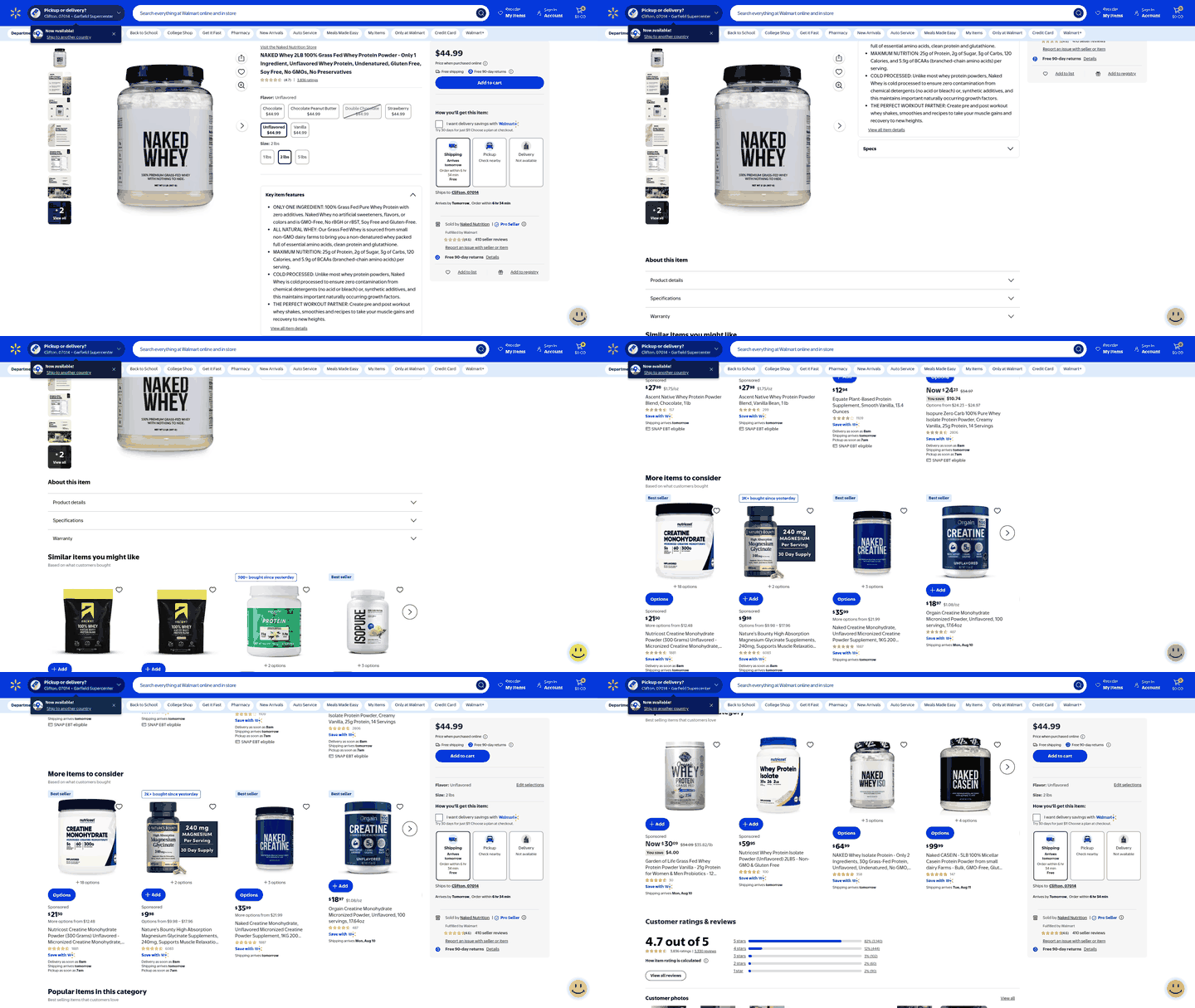
We price-checked every whey option on Walmart's site and found what budget shoppers miss: the shelf price hides the real story. Walmart's store-brand concentrate beats many premium brands that cost twice as much. The catch is protein density. Some Walmart options advertise a friendly price but deliver only 20 grams per scoop, padding the rest with maltodextrin and thickeners. Calculate cost per actual gram instead of cost per scoop and the rankings flip.
The in-store pickup advantage
Walmart's real edge isn't selection, it's logistics. Order online, pick up the same day, no extra cost, and you skip the $5 to $10 shipping that can pile onto an Amazon order. That matters when you're weighing a $29 tub against a $34 one. The five-dollar gap vanishes once the competitor charges for delivery. Shoppers use Walmart's app to check local stock before driving over, which cuts the guessing game about whether the store carries the brand they want. If it's out online, it's out in-store. That real-time sync saves wasted trips.
Walmart also price-matches its own online inventory. If the shelf price is higher than the website, show the app at checkout and get the lower rate. Most cashiers process it without pushback, which is rare among big-box retailers.
Top-rated products worth your money
Six Star Pro Nutrition Whey Protein Plus shows up often in Walmart's aisle at $19 for 2 pounds. It packs 32 grams of protein per serving, dense enough for post-workout recovery without the premium markup. Reviewers call the Vanilla Cream the smoothest option, though some find it sweeter than expected. The added creatine means two supplements in one tub, which matters if you're already buying creatine separately.
Premier Protein Whey Powder stocks reliably in most locations at $28 for a 23-serving container. Each scoop delivers 30 grams with minimal carbs, which suits close macro tracking. Walmart carries Chocolate Milkshake and Café Latte in-store, while Bananas & Cream is online only. If you need a specific flavor today, check the app before the trip.
Walmart wins on convenience, but comparing whey across retailers still takes work. At Popgot, our AI agent reads every product label and pulls the real unit price. Per serving, per ounce, per count. So you can sort by what you actually pay across major retailers in one search instead of squinting at shelf tags. You can also set requirements, like a minimum protein per serving, and only see options that clear the bar. Walmart's pricing is competitive, but you still need to verify protein per dollar, not just per serving.
Customer review patterns we see
Walmart's product pages show one steady complaint: flavor changes batch to batch. One reviewer gets a smooth Vanilla, the next batch tastes like chemical sweetener. That's a quality-control issue, not a Walmart issue, but it shows up more with budget brands that don't third-party test every production run. Batch-to-batch reliability is part of what you trade for the lower price.
Mixing gets flagged a lot too. Cheaper concentrates clump in cold water, so you're reaching for a blender or shaking hard for 30 seconds. Isolates dissolve faster but cost more per gram. Two shakes a day and that hassle adds up. Some reviewers fix it by adding powder to the shaker first, then water, which cuts clumping. Walmart's online reviews confirm that's the most common workaround across brands.
Target whey protein options
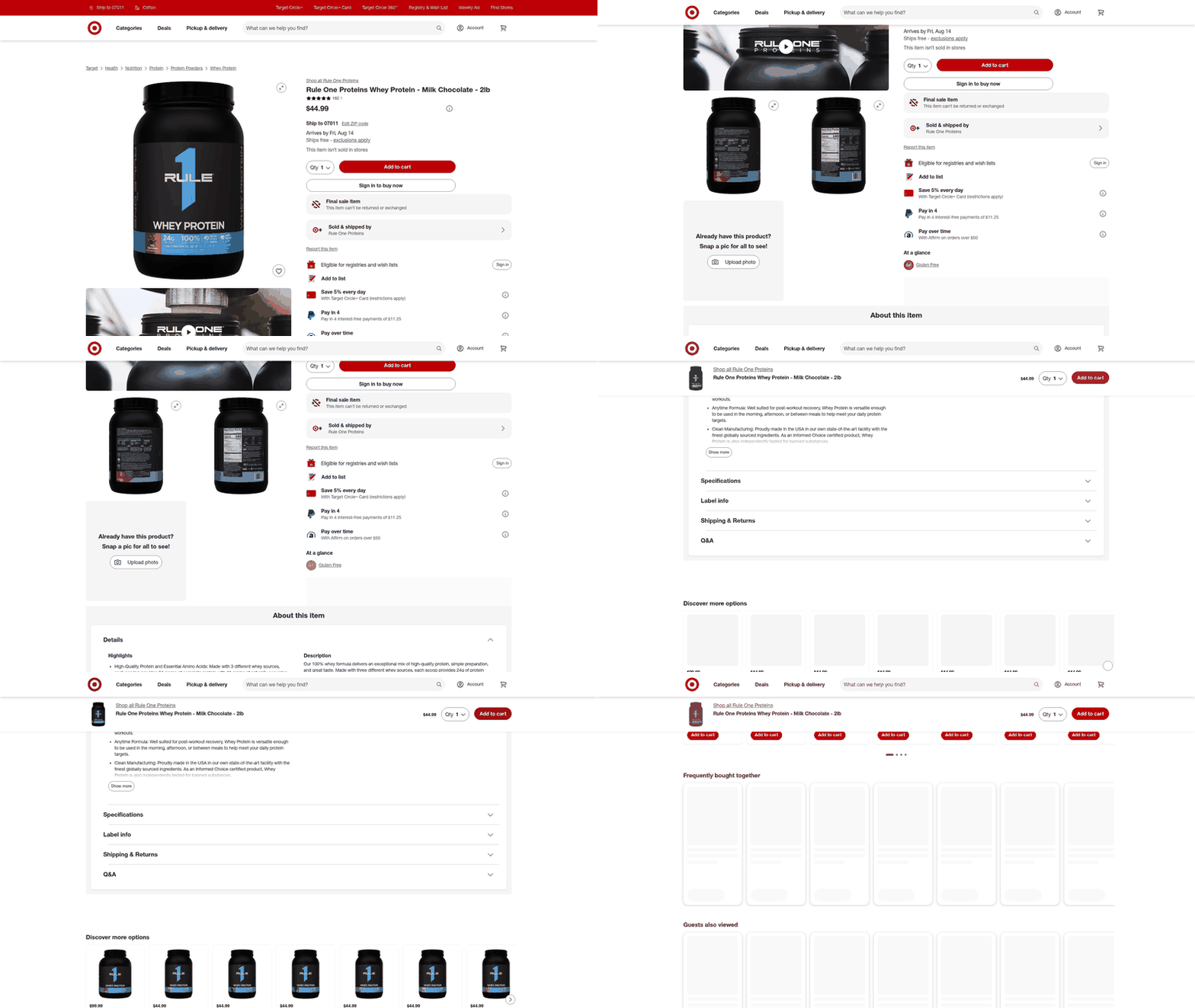
We looked at Target's whey selection and found what most shoppers miss: the lowest shelf price doesn't always mean the cheapest protein. Premier Protein 100% Whey Protein Powder in Vanilla Milkshake sits at $32.49 for 17 servings with 25 grams per scoop, which works out to $1.91 per serving or $0.076 per gram of protein. That's 95% more expensive per gram than Bulk Supplements on Amazon, even though Premier's per-serving sticker looks reasonable. Target sold over 11,000 units of it last month, according to their pricing page, which tells us shoppers aren't running the true unit cost.
The better value at Target is Optimum Nutrition Protein Powder Roll Tub in Cinnamon at $30.99 for a 1.55-pound tub. It carries a 4.8 rating from 795 reviews and delivers 24 servings. Break it down and that's $1.29 per serving or roughly $0.054 per gram, which lands between Walmart's store brand and Amazon's premium options. Target's real edge isn't the sticker, it's logistics. Same-day pickup and delivery erase the $6 to $8 shipping that can turn a "cheap" online order expensive when you need protein this week, not next Wednesday.
Where Target wins on convenience
Target shoppers pay a premium for speed. Factor in same-day delivery and pickup and Target gets competitive for anyone who can't wait for standard shipping or drive to a warehouse store. Order online, grab it in two hours, and pay no delivery fee if you clear the $35 minimum. That matters when you run out mid-week and don't want to derail your routine. Most retailers price whey between $15 and $200 depending on brand and size, but Target's setup lets you reach mid-tier options without the waiting penalty.
The tradeoff is selection. Target carries around 40 whey products against Amazon's 300+ or GNC's specialty catalog. No niche flavors, no bulk 10-pound bags. What you get is a curated set of mainstream brands, same-day access, and the option to bundle protein with your grocery run. For shoppers who put convenience over absolute lowest cost, that combination earns the per-gram premium.
Price vs. protein density reality
Line up Target's top sellers against the broader market and a pattern shows. Popular brands charge a premium for convenience and name recognition, not for the highest protein per dollar. The gap gets clearer at the serving level. Target's popular products tend to carry a fair amount of non-protein ingredients even in supposedly pure formulas. Premium isolates at specialty retailers deliver a much higher ratio of pure protein per scoop, an efficiency mainstream retail rarely matches.
Target's pricing reflects its lane. You're not hunting the absolute cheapest whey there. You're trading a few extra cents per gram for the ability to grab it with your groceries or have it delivered within hours. That math works for some shoppers, not others. If you buy one tub every six weeks and value time over a $5 difference, Target works. If you're buying in bulk or maxing protein per dollar, Walmart or Amazon will consistently beat it on pure cost. Popgot's unit price extraction shows exactly where that crossover sits for your usage.
| Product | Price | Protein per Serving | Cost per Gram | Rating |
|---|---|---|---|---|
| Premier Protein Vanilla Milkshake | $32.49 | 25g | $0.076 | 4.5/5 |
| Optimum Nutrition Cinnamon | $30.99 | 24g | $0.054 | 4.8/5 |
| Walmart Store Brand Concentrate | $23.00 | 25g | $0.037 | 4.6/5 |
| Bulk Supplements (Amazon) | $0.89/serving | 23g | $0.039 | 4.7/5 |
Comparing whey prices across retailers
We cross-checked whey prices at Amazon, Walmart, and Target against millions of products in our index, and the retailer with the cheapest sticker isn't always the one that delivers the most protein per dollar. Protein density widens the gap, not just serving size.
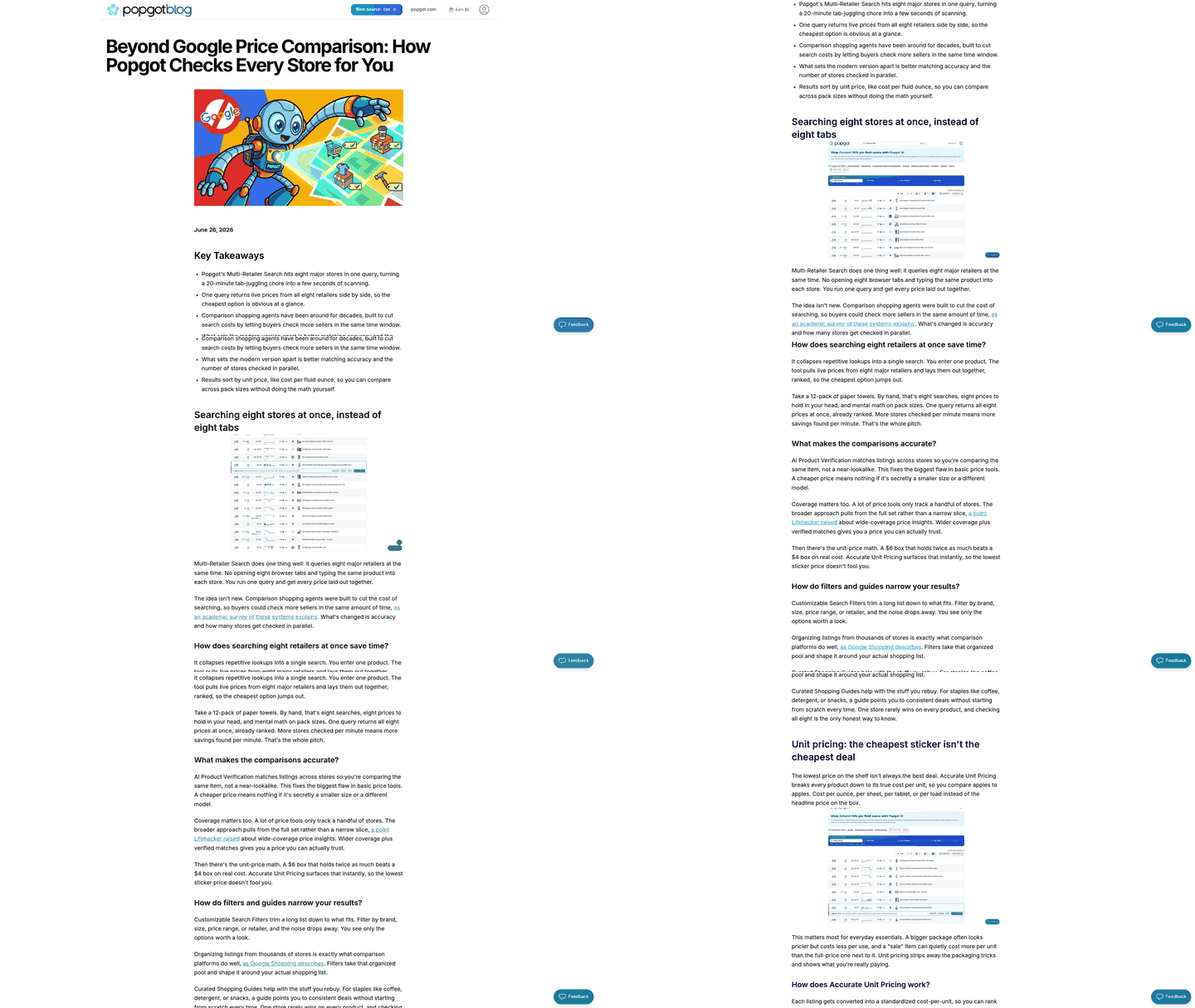
Amazon wins on brand selection and per-gram protein value. Muscletech Nitro-Tech Whey Isolate delivers 30g at $42.88 for 2 pounds, or $0.044 per gram. MuscleFeast Grass-Fed Whey Isolate runs $54.99 for 2 pounds with 21g per serving, or $0.061 per gram, a mid-tier pick for clean-label formulas. The platform's strength is depth: over 300 whey products with detailed pricing and verified purchase reviews.
Walmart's edge is store-brand pricing and same-day pickup. Their private-label whey isolate runs $26.48 for 1.5 pounds with 30g per scoop, which comes to $0.041 per gram, cheaper than most Amazon name brands. A consumer comparison study found shoppers saved an average of 15% buying whey from Walmart versus Amazon and Target when they prioritized store brands over name recognition. The catch: some discount options advertise low per-serving prices but pad the formula with maltodextrin, dropping protein to 18 to 20 grams per scoop. You pay less, but you get less protein too.
What you actually pay per gram
The table below shows what you're really paying once you strip out serving-size math and focus on cost per gram of protein, the only number that matters if you're buying for muscle recovery, not scoops.
| Product | Retailer | Price | Protein per Serving | Cost per Gram |
|---|---|---|---|---|
| Muscletech Nitro-Tech Isolate | Amazon | $42.88 (2 lb) | 30g | $0.044 |
| Walmart Private Label Isolate | Walmart | $26.48 (1.5 lb) | 30g | $0.041 |
| MuscleFeast Grass-Fed Isolate | Amazon | $54.99 (2 lb) | 21g | $0.061 |
| Isopure Zero Carb | Amazon | $47.99 (3 lb) | 25g | $0.047 |
| Target Brand Whey Isolate | Target | $34.99 (1.3 lb) | 24g | $0.069 |
| Whey | Walmart | $18.78 (2 lb) | 30g | $0.034 |
Walmart takes the absolute lowest cost per gram with its Six Star line, which turns up in clearance aisles often. Amazon wins if you want third-party tested name brands like Muscletech or Isopure with reviews to back them up. Target's house-brand isolate lands higher per gram, which fits a customer base that values immediate availability over strict unit-price optimization.
How Popgot shows cost per serving
Popgot pulls and calculates unit prices from product listings, so you can sort whey by cost per serving without the manual math. We search across major retailers including Amazon, Walmart, and Target, pulling in specs like protein per scoop and total servings per container. You can set what you want, say "whey protein with at least 25g per serving," and see only products that qualify, with accurate unit pricing on each.
Comparing the Optimum Nutrition tub at Target against MuscleFeast on Amazon? We put the per-serving breakdown side by side. The Target option carries a higher cost per gram once you account for the smaller container. Same-day pickup at Target erases shipping, but you're still paying a premium per gram against warehouse-size bags.
Discount patterns and when to buy
Prices move with promo cycles. Amazon runs Lightning Deals on Muscletech and Isopure during Prime Day and Black Friday, cutting per-serving costs 15 to 20%. Walmart's rollback pricing on store-brand whey hits quarterly, usually around New Year resolutions and back-to-school. Target's Circle Week promos knock 10 to 15% off brands like Premier Protein, but the base price is already higher, so the discount rarely beats Amazon's everyday cost per gram.
Watch the promo cycles and you can time purchases. According to one Reddit discussion, shoppers who track price swings across retailers save an average of 12 to 18% annually on whey by timing buys around promo windows instead of buying on autopilot.
For budget-minded fitness shoppers, the play is simple: buy store brands at Walmart for baseline value, buy name brands on Amazon during sales, and skip Target unless same-day pickup outweighs the per-gram premium. Our price comparison insights break down which retailers consistently post the lowest unit prices for whey and other staples, so you're not guessing off shelf stickers.
What I'd actually buy for cheap whey protein
The cheapest whey isn't the one with the lowest sticker. It's the one with the lowest cost per gram of actual protein. That single shift in how you measure value changes which product wins almost every time.
The average whey runs about $1.36 per serving, according to FeastGood's breakdown of budget powders. Plenty of options beat that. But cheap whey only counts as a deal when the powder is mostly protein, not maltodextrin and thickeners padding the scoop.
Which retailer wins for cheap whey protein?
Depends on what you value. Walmart takes the lowest absolute prices. Amazon wins on selection and protein density. Target's edge is convenience, with same-day pickup that kills shipping fees, as its lower-price whey listings show.
| Priority | Best move | Why it wins |
|---|---|---|
| Lowest cost per gram | Buy the largest tub you'll finish | Bulk sizes routinely cut per-serving cost by 15 to 25% |
| Budget + subscription savings | Amazon Subscribe & Save | Recurring discount stacks on already-low pricing |
| Convenience | Target same-day pickup | No shipping wait or fee |
| Zero fillers | Unflavored concentrate | Fewer additives, lower price than flavored blends |
Do you really need 30g+ per scoop?
No. Most guidance lands well below the mega-scoop marketing. Fitness publications point to a moderate range per serving, since the body caps how much protein it can synthesize in one sitting.
Chasing oversized servings usually means paying for protein that runs past your immediate metabolic needs. A moderate serving at high density is the smarter budget play. Skip the premium high-gram tubs unless you're stacking multiple meals into one drink.
One caveat worth naming. Some powders carry harmful levels of heavy metals, so stick with brands that publish third-party testing. Cheap and unverified is a bad combo.
How to lock in the best value
Price moves constantly. Per-serving cost swings between listings depending on container size and promo timing, which is why a one-time price check goes stale fast. Compare the real unit price at the moment you buy.
That's the gap we built Popgot to close. Tell it your spec, say 25g+ protein with no artificial sweeteners, and it reads every label across Amazon, Walmart, Target and more, then sorts by true price per gram so fillers can't hide behind a low sticker. Set a minimum protein content and Popgot's AI verifies each product meets it before showing you the results.
Your next step is simple. Pick a protein density target, ignore the per-scoop price, and buy on cost per gram. Do that and cheap stops meaning low quality. It just means smart.
References
[1] Whey Protein in Protein Powder - https://www.walmart.com/browse/health-and-medicine/whey-protein/976760_1166769_7458180_5532610
[2] New Lower Price : Whey Protein - https://www.target.com/c/whey-protein-powders-nutrition-health/new-lower-price/-/N-sgfriZ71vf7
[3] Top Rated Whey Protein Powders - https://www.target.com/s/highest+rated+whey+protein
[4] Where to Buy Protein Powder: Amazon, Vitamin Shoppe, ... - https://www.reviewed.com/health/features/where-buy-protein-powder
[5] Best Sports Nutrition Whey Protein Powders - https://www.amazon.com/Best-Sellers-Sports-Nutrition-Whey-Protein-Powders/zgbs/hpc/6973717011
[6] 8 Cheapest Protein Powders (That Are Still High Quality) - https://feastgood.com/cheapest-protein-powders/
[7] The 11 Best Whey Protein Powders 2026, Tested by Us - Men's Health - https://www.menshealth.com/nutrition/a19547347/best-whey-powder-review/
[8] Best Protein Powders | The Strategist - New York Magazine - https://nymag.com/strategist/article/best-protein-powder.html
[9] Best Protein Powder on Amazon (2026) - Garage Gym Reviews - https://www.garagegymreviews.com/best-protein-powder-on-amazon
[10] The 12 Best Protein Powders on Amazon in (2026) - BarBend - https://barbend.com/best-protein-powders-on-amazon/
Frequently Asked Questions
1. Should I choose whey concentrate or isolate if I'm lactose sensitive?
Whey isolate is generally recommended for dairy sensitivity because the manufacturing process filters out the vast majority of lactose and fat. Standard concentrates retain higher levels of milk sugars that can trigger digestive issues. Isolates undergo extra purification, which also helps them dissolve more readily in liquids than less refined concentrate options.
2. Why do some cheap whey proteins cause bloating or digestive discomfort?
Digestive discomfort from budget powders often comes from non-protein additives used to improve texture and volume. Manufacturers of lower-cost products frequently use thickeners, gums, or prebiotic fibers that can ferment in the gut, leading to gas and irritation. Lower-grade dairy sources can also mean more residual milk sugar, which can tax sensitive digestive systems.
3. Is it worth buying whey that includes added creatine and BCAAs?
A blended formula makes financial sense only if you already use those performance ingredients in your routine. When a product combines multiple supplements, it can reduce your overall monthly stack cost. If your goal is purely protein supplementation, a clean, single-ingredient powder keeps you from paying a premium for additives you do not need.
4. Does buying more expensive whey actually improve muscle recovery?
From a physiological standpoint, the amino acid profile of high-quality whey remains consistent regardless of the brand's price point. Premium products command higher prices because of advanced flavoring systems, better mixability, and extensive third-party testing certifications. They are not more biologically effective. To maximize recovery, daily nutrient intake and training consistency matter far more than the price tag on your tub.
5. Should I buy a single tub or stock up in bulk?
Your purchasing volume should dictate where you shop. Smaller containers are highly competitive online because fast shipping networks make them easy to move. Larger packages can offer deeper discounts through physical retail supply chains. If you have storage space and a preferred flavor, the largest available size from a local warehouse or superstore usually yields the lowest long-term cost.
6. How do I calculate real cost per gram instead of price per serving?
To find the true value, multiply the protein grams per serving by the total number of servings in the container to get the total protein weight. Then divide the retail price by this total weight. This calculation bypasses marketing tricks like oversized scoops or heavy fillers, showing you exactly what you pay for the active ingredient. Digital comparison tools can do this instantly across multiple retailers.
7. Are store-brand whey proteins reliable enough to trust?
Store brands offer significant savings by eliminating marketing budgets, but they often operate with wider quality-control tolerances. This can show up as slight variations in taste or texture between purchases. Established name brands charge a premium in part to maintain strict batch consistency and fund independent lab verification, giving peace of mind to athletes concerned with label accuracy.