
Find This Product with Ingredient Filters for Clean Living

I’m locating the article file and then I’ll tighten the prose in place, keeping every heading, link, image, and factual claim intact.I’m checking the workspace layout now so I can patch the correct markdown file without disturbing anything else.I’m reading the candidate article content next and will then rewrite only the phrasing that’s too long, repetitive, or promotional.I’m pulling the file list and likely article targets in parallel to keep this moving.I’m narrowing down the markdown file now so I can edit one document end to end and return the complete article.
Key Takeaways
- Personal care products in the U.S. stay largely unregulated, and over 10,000 additives are allowed in American food, many never fully vetted for safety.
- The EWG's Healthy Living app rates over 200,000 food, personal care, and cleaning products by merging its Skin Deep, Food Scores, and cleaning databases into one search.
- Ingredient filters rank products by science instead of marketing, screening out unwanted chemicals and surfacing safer options in seconds.
- "Natural" carries no regulatory meaning on a label, which makes ingredient-scoring filters far more reliable than reading packaging claims.
- There's a numbers gap in EWG's own materials: the FAQ cites 120,000 rated products while the consumer guide lists over 200,000.
- The lower figure likely predates the merge that added cleaning products, so 200,000 is the more accurate current count.
- EWG keeps its ratings independent by design, so brands cannot influence scores. That independence is why the app is worth trusting.
Why any of this is worth your attention
Clean living starts with knowing what is in a product before you buy it. Popgot uses that same filter-first idea to help shoppers check products earlier. Personal care products in the U.S. are largely unregulated, and over 10,000 additives are allowed in American food, many never thoroughly reviewed for safety. When the label cannot be trusted, you need another way to check before the product lands in your cart.
Ingredient filters fill that gap. They hide what you want to avoid and surface safer options quickly. The EWG's Healthy Living app, for one, rates over 200,000 food, personal care, and cleaning products by folding its Skin Deep, Food Scores, and Guide to Healthy Cleaning databases into a single search.
Why filters beat squinting at labels
Ingredient filters do the reading for you. They rank products by science, not marketing. "Natural" is not a regulated word, so the label alone tells you little. A filter that scores actual ingredients cuts through that in seconds.
One numbers gap is worth flagging. EWG's FAQ page cites over 120,000 rated products, while its consumer guide lists over 200,000. Our read: the lower figure predates the merge that folded in cleaning products, so treat 200,000 as the current count.
The stronger point is independence. EWG says the app is "independent by design, ensuring that brands do not influence" its scores. That matters because trusted ratings should not come from brands with something to gain.
How this actually cuts health risk
Lower chemical exposure may reduce some long-term risks. Some shoppers who switched to safer personal care products reported better health outcomes and a sharper eye for harmful ingredients. Small swaps can still add up.
The tools out there split into two camps. There are independent, science-backed rating systems. There are also barcode-scan "meter" apps that flag ingredients and suggest cleaner swaps, like Think Dirty with its 550,000-product database. The strongest approach combines both. Objective safety ratings plus live discovery of better-priced alternatives beats either one alone.
Who gets the most out of filters
Anyone with a dietary restriction or a specific health goal. If you're keto, gluten-free, or avoiding one ingredient, filters skip the label-squinting.
Cost is the other half of the equation. Grocery prices are brutal right now. One shopper on r/SavingMoney described checkout sticker shock so bad it felt like they'd grabbed wagyu by accident, dropping $500 a month on basics. Clean living should not cost a fortune.
That is why accurate unit pricing and cross-retailer comparison matter as much as safety scores. Whether you're after a cleaner bar of Dove soap or stocking keto groceries, comparing prices across major stores saves real money. As the Bustle roundup put it, "knowledge is indeed power." The right filter gives you that knowledge before you spend.
One case where you can skip the filter obsession: whole, single-ingredient foods like plain oats or fresh produce. There is nothing to screen. Filters shine on processed and formulated products, not raw staples.
What AI-driven shopping actually saves you
AI-driven shopping saves time and money by reading ingredient lists and comparing prices before you commit. Instead of squinting at fine print in the aisle, you set your filters once and let the tool surface matches. When you need something fast, that matters.
The deeper reason it works: the average shopper spends 43 minutes per grocery trip. Much of that time goes to reading and re-reading labels. Those labels often use vague terms like "natural flavors" to hide what is inside. Independent ingredient tools fill that gap. They stand in for plain-language labeling manufacturers rarely provide.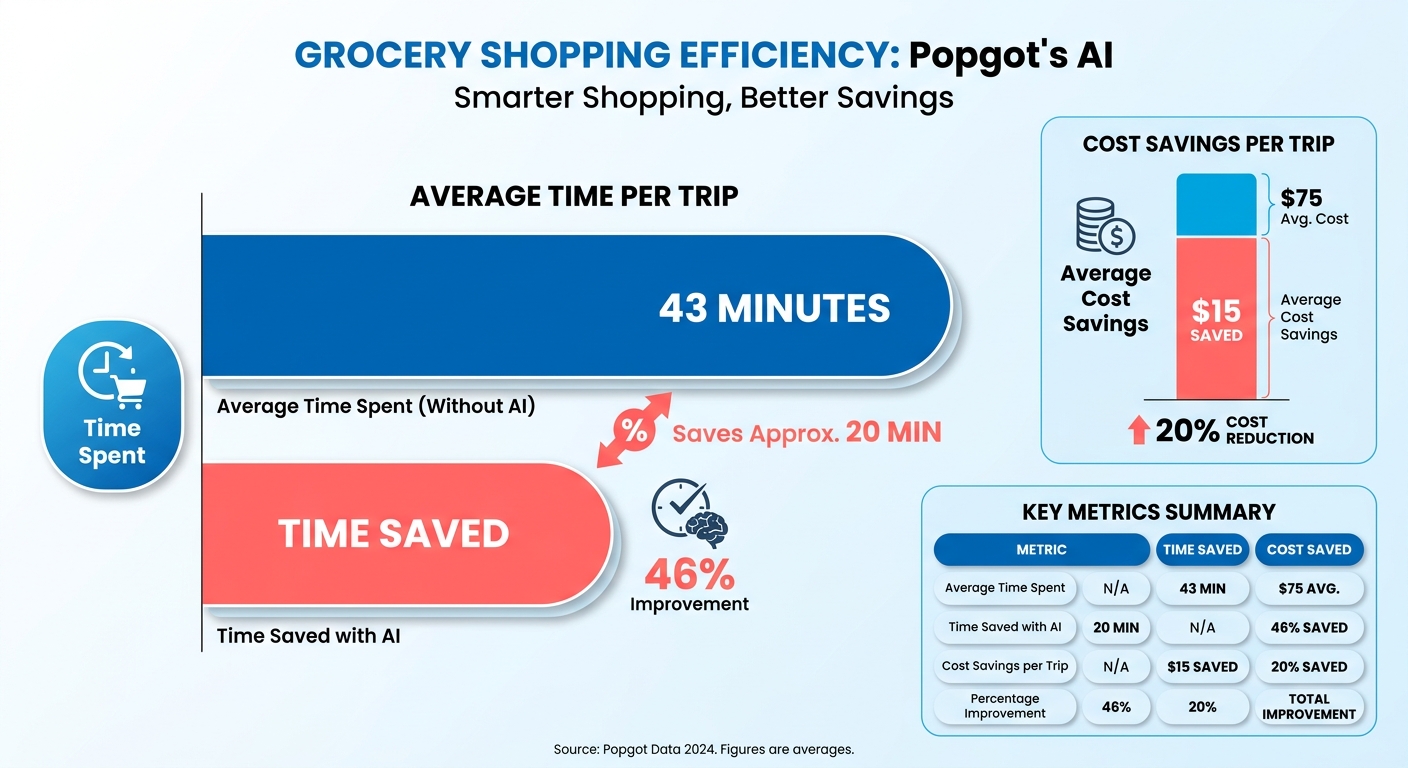
Why accurate data cuts down on returns
Product verification confirms specs like ingredients and dosages before you buy. That reduces errors and the returns that follow. When the data behind a listing is verified, you are not gambling on a mislabeled bottle.
To pull that off, better platforms read product specs straight from manufacturer sheets and verified retailer databases. Instead of leaning on user-submitted photos or stale catalog entries, they cross-reference active ingredients in real time. So when you search for a specific formulation, the results reflect what is currently on the shelf.
This solves a quiet headache for online shoppers: catalog drift. Manufacturers update packaging and ingredient ratios all the time, and static databases go obsolete fast. Continuous scanning keeps listings accurate, so you get what you expect without return shipping.
How custom filters match your diet
Customizable filters let you tailor a search to specific dietary needs, so keto and vegan shoppers see only what fits. You set the rule once, and every result respects it.
Say you need keto groceries with no hidden sugars, or a sulfate-free shampoo that matches your standards. The filter does the label-reading. That saves you the aisle-by-aisle guesswork that eats your afternoon.
The stakes are real. Rising food costs force shoppers to be strategic with a budget. Accurate unit pricing across major retailers, including Amazon and Walmart, lets you compare true cost per unit instead of getting fooled by package size.
When to skip the filter
Skip heavy filtering for a quick one-off buy when you already know the product. Setting up rules only pays off when you shop repeatedly or screen for a real dietary or safety concern.
For routine restocks, though, automated screening streamlines the process. Verified specs plus custom filters let you decide in a fraction of the time, and your cart stays aligned with your health goals without constant babysitting.
For a closer look at how this works, run a search yourself and let Popgot's AI agent read the labels while you sort by real unit price.
What I'd actually recommend
Clean living comes down to one habit: know what is in a product before you buy it. When you can filter by ingredient, dosage, and real unit price, you stop guessing and start choosing. Letting AI do that work is more practical than decoding fine print in the aisle.
In practice, filters help most when your requirements are specific. "Fish oil with at least 1000mg EPA+DHA" or "protein powder with no artificial sweeteners" are good examples. An AI agent that reads every label saves real time on searches like those. If you're just grabbing the cheapest option with no health criteria, a basic search is enough.
How to set up filters that find the right product
Write your requirement as a full sentence, not a keyword. Type what a product must have: a minimum dose, a banned ingredient, a specific feature. The more precise you are, the fewer irrelevant listings you wade through.
Then let the search run across multiple retailers at once. Comparing the same spec across stores is where the savings live. Retail pricing swings wildly between platforms, so sorting by true unit price gets you better value. You are comparing actual cost per ounce or per serving, not misleading package sizes and bulk-buy illusions.
What to watch for with AI shopping
Two things matter most: data privacy and label accuracy. An agent reading labels for you is only useful if the underlying product data is correct and your search history stays yours. Demand transparency on both. If a tool cannot show why a product passed or failed your filter, do not trust its verdict.
A practical starting point: set your non-negotiables first. Include specific health requirements, dietary limits, and ingredients you must avoid. Let the AI filter against those every time, then compare unit prices before you commit. That keeps your household standards high while protecting your budget.
Where clean living goes next with AI
The next few years come down to one shift: you stop reading labels, and the label reads itself to you. Barcode scanning already does a version of this. Point your phone at a product, and an ingredient rating appears in seconds. The EWG's Healthy Living app built exactly that into a simple scan against its database.
Next comes voice and hands-free search. Instead of typing filters, you'll ask out loud and the tool finds the product against your saved rules. That is a real accessibility gain. It makes ingredient screening usable for shoppers with low vision or limited mobility who cannot easily work through complex digital menus.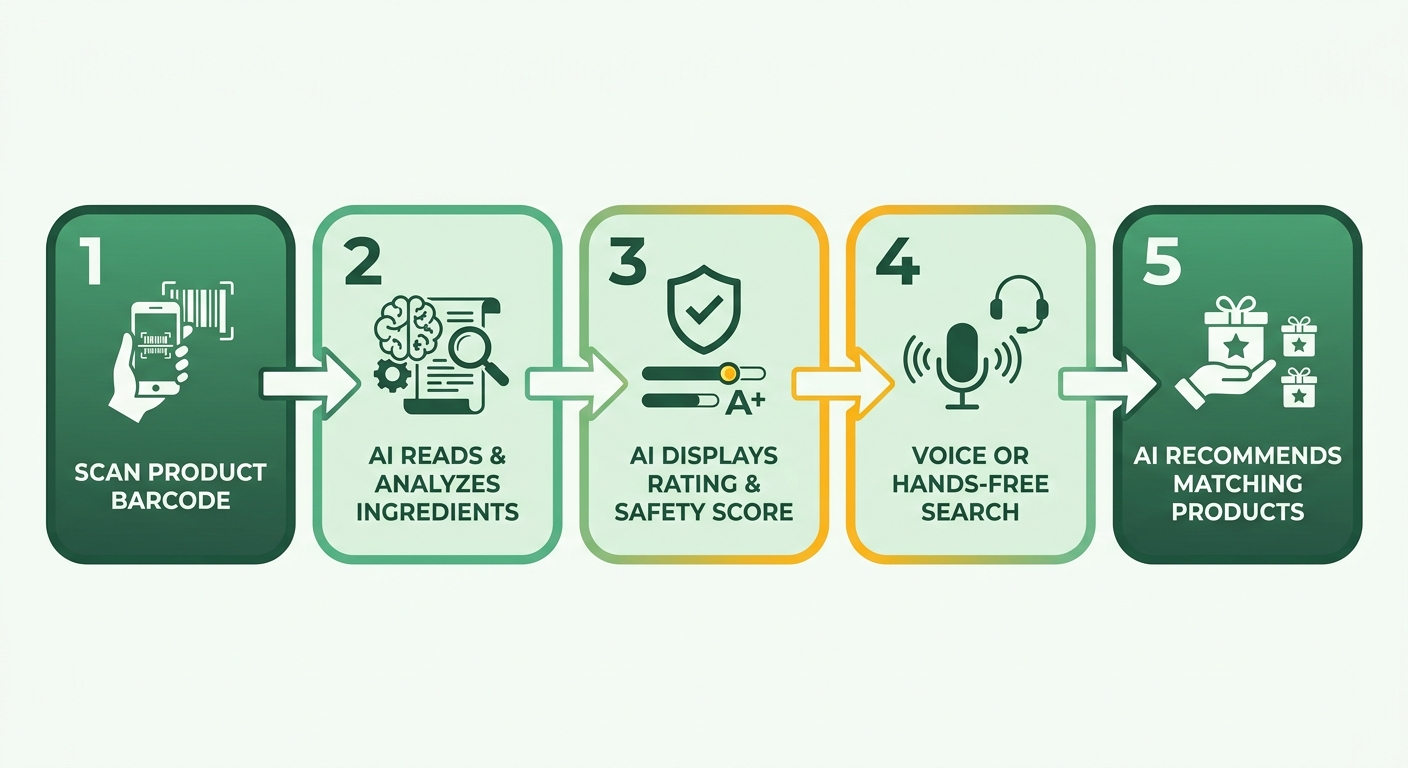
What AI shopping does for transparency and waste
Transparency comes first. An ingredient tool is only as trustworthy as the way it verifies what you asked for. That is the standard we build to. Tell our AI agent exactly what a product must have, like a specific nutrient threshold or no artificial additives, and it reads every label to check each one. You only see products that meet your specs. EWG's approach works because it rolls multiple safety criteria into one unified score. You should always be able to see why a product made the cut and what got filtered out.
Waste is the other piece. When AI compares real unit prices and pack sizes, you buy the right amount instead of over-ordering and tossing what spoils. Fewer duplicate purchases means less packaging and fewer wasted trips. That is a quieter sustainability win than most people expect from a shopping tool.
The public-health payoff ties it together. As these tools mature, expect them to flag recalls and reformulations in real time. A product you bought last month can quietly change its formula, and manual checking rarely catches it. AI that re-scans your saved list against updated data alerts you when a trusted product drops or adds something you screen for. Run that continuously at scale, and standards stay consistent across every reorder for a whole household.
If your shopping has no health criteria at all, these capabilities may be overkill. The tech earns its keep when your standards are strict and non-negotiable.
Understanding ingredient filters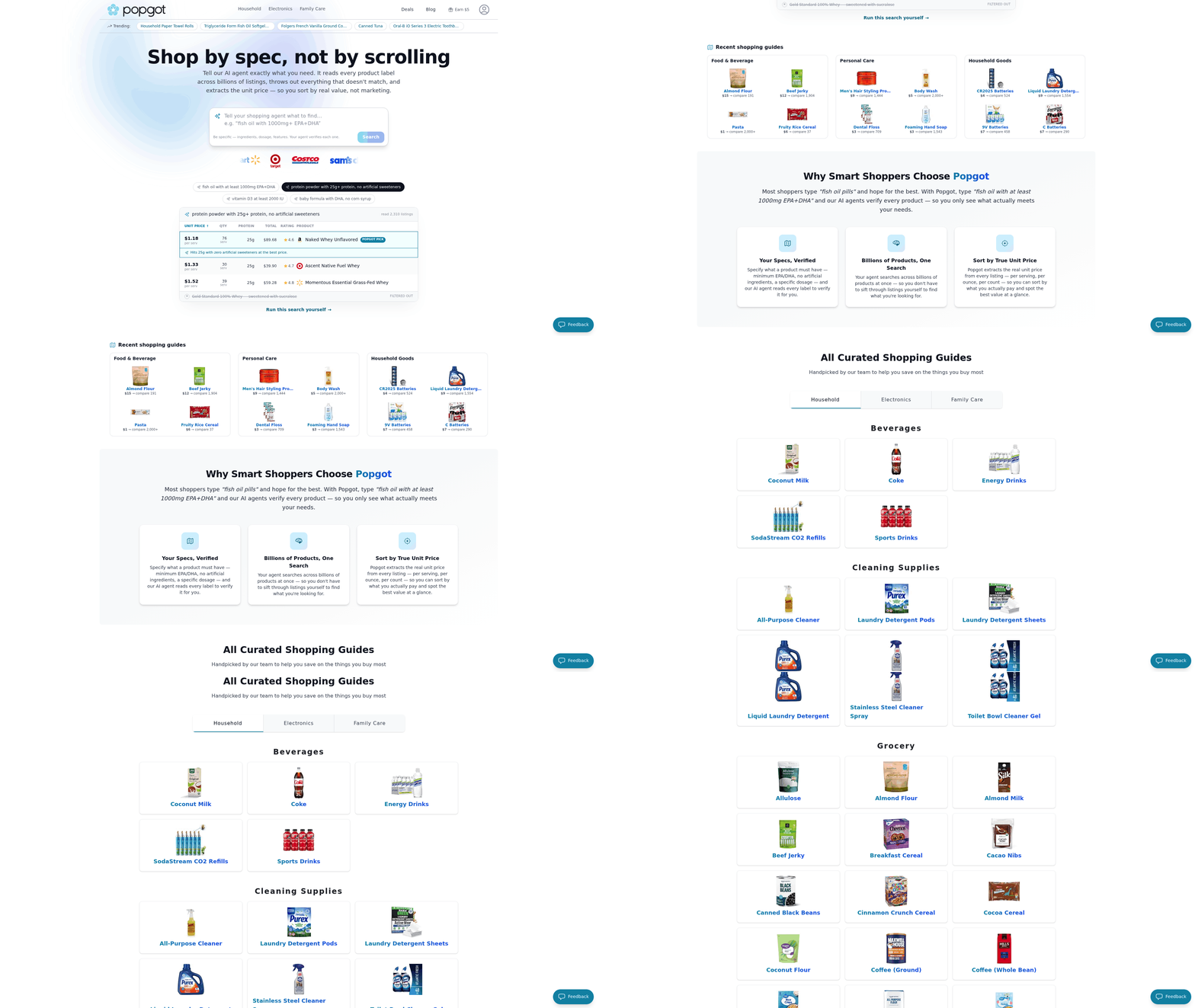
An ingredient filter hides products containing chemicals you want to avoid. It then surfaces the ones that pass. Set it once, and instead of reading every label, you get a list already sorted by what is actually in the bottle. That flips label-reading from a manual chore into a background check.
Filters matter most for the chemicals hiding behind vague marketing. Parabens and phthalates are the classic targets. Both are common in personal care products, and both fall under weak U.S. oversight. Filter these out at the search stage and you skip the guesswork of decoding an ingredient list on the shelf.
How filters actually screen products
They match a product's ingredient list against a safety database, then rate or reject items based on your rules. The scoring usually runs on a simple scale. EWG's Skin Deep database, for instance, ranks items 1 to 10, where 1 to 2 signals low hazard and 7 to 10 flags high concern. That single number does the work your eyes would otherwise do across a paragraph of unfamiliar chemical names.
The rating also factors in data gaps. A product is not just scored on what is proven harmful. It is scored on how much is actually known about each ingredient, so a low-data item does not get an automatic pass. That distinction keeps the filter honest about uncertainty instead of hiding it.
This independence keeps the scores clean. When a database runs without money from the brands it evaluates, you get unbiased assessments rather than sponsored recommendations dressed up as objective advice.
What you can filter beyond "clean" or "natural"
You can set numeric and ingredient-specific rules, not just a vague quality label. This is where basic apps and a real AI filter split. A sunscreen search can screen for oxybenzone. A cleaning-supply search can flag ammonia or synthetic fragrance. A fish oil search can demand a specific concentration of active fatty acids per serving, which no smiley-face rating captures.
Front-of-package claims are often written by marketing teams, not toxicologists. Filtering by specific chemical names is the only way to hold a product to your standards. A package can show appealing imagery on the front while the back panel tells a different story.
This is where static safety ratings and active product discovery meet. Combine objective safety data with a real-time inventory search, and you can find compliant alternatives immediately instead of just learning what to avoid.
Building a personalized shopping list
Once your filters run, save the passing products into a list you reuse every trip. That turns a one-time screen into a standing rule. Side-by-side comparisons help when two products both pass and you need a tiebreaker on price or dose.
Saving these criteria as a permanent profile means future searches inherit your safety standards automatically, so you're not re-entering complex rules every time. A tedious research task becomes an automated background check, and you shop with confidence.
Popgot in the real world
Ingredient filters cut real chemical exposure when you screen before you buy, not after. Set a rule once, let the tool return a list filtered by what is actually inside, and you skip the guesswork that leads to bad purchases in the first place.
By automating the screening across thousands of items, these tools let you apply strict standards to your whole cart without spending hours researching manufacturers. Your decisions rest on verified data instead of clever marketing.
How filters reduce chemical exposure in practice
The mechanism is subtraction. You tell the filter which ingredients to hide, and it removes every product that contains them from your results. The app is built to let users filter out ingredients that do not fit their health goals, so a shortlist shows up already screened.
Looking for a baby shampoo free of synthetic sulfates? The filter excludes non-compliant formulas up front. Instead of scanning ten labels on a shelf, you set the rule and get a ranked list of options that already pass. Less exposure per shopping trip, and it compounds across every product you buy.
Traditional apps make you scan items one by one in the store. AI-driven platforms analyze entire catalogs beforehand and hand you a pre-screened selection that matches your criteria. You build a safe shopping list from home, with no aisle-side packaging analysis required.
What you can actually filter for
Dietary rules and product categories, not just chemicals. The same subtraction logic works whether you're avoiding specific allergens in shampoo or animal products in a protein bar. Set your requirement, and the results narrow to what fits.
For keto or vegan shoppers, this matters most. A vegan filter removes anything with animal-derived ingredients before you ever open a label. A keto filter can screen for macros that fit your target. You get a list that respects your restriction from the first search.
The category range is wide. You can screen cleaning supplies for harsh solvents, personal care items for fragrance allergens, or packaged foods for additives. It sidesteps the vague marketing on the front of the package and focuses entirely on the verified composition listed on the back.
Why sort by true unit price
A filtered result is more useful when it also shows what you actually pay. Once you've screened products by your rules, Popgot pulls the real unit price from every listing. Per serving, per ounce, per count. You can sort by value at a glance. That turns a shortlist that meets your standard into a clear ranking of the best deals.
Side-by-side comparison sharpens the choice further. Because Popgot searches across major retailers at once, you can weigh two passing options against each other without opening multiple sites. This focus on safety and economics keeps clean living financially sustainable over the long term.
References
[1] EWG's Healthy Living App | FAQ - https://www.ewg.org/apps/
[2] Live a Healthier Life Today – Healthy Living App - https://www.ewg.org/consumer-guides/healthy-living-app
[3] Think Dirty & 5 Other Apps To Help You Find Clean Beauty Products - https://www.bustle.com/style/think-dirty-apps-clean-beauty-products
Frequently Asked Questions
1. Are ingredient filter apps like EWG's Healthy Living and Popgot free to use?
EWG's Healthy Living app is free and available on iOS and Android. It is supported by nonprofit contributions and partnerships. Other platforms may offer tiered subscription models or free basic searches with premium features. Free access helps budget-conscious shoppers screen products without paying more to avoid unwanted ingredients.
2. Can ingredient filters help with food allergies, not just chemical avoidance?
Ingredient filters screen for allergens like nuts, soy, dairy, or gluten by matching product labels against your specified rules. Set the allergen once, and results exclude any product containing it. This subtraction logic works the same for allergens and additives, removing risky items before you open a single label in-store.
3. How accurate is a 1-to-10 ingredient safety score when data is limited?
The 1-to-10 score reflects both known hazards and the completeness of available scientific literature. If an ingredient has not been thoroughly tested, the system flags that lack of data rather than assuming the chemical is safe. That helps consumers make informed decisions under uncertainty. It also keeps unstudied chemicals from appearing safer than they are.
4. What's the difference between a barcode-scan app and an AI agent that reads labels?
Traditional scanning apps require you to have the physical product in hand to scan its barcode and view its safety rating. In contrast, an AI-driven search tool analyzes product specifications and ingredient lists across multiple online retailers simultaneously, allowing you to filter and compare items before making a purchase.
5. Do ingredient filters work for supplements with dosage requirements?
Yes. Unlike basic safety ratings, advanced filters can parse specific nutritional targets, such as requiring a minimum amount of active ingredients per serving or excluding specific binders and fillers commonly found in low-grade supplements. This helps you buy products that meet your exact therapeutic needs.
6. Will an ingredient filter alert me if a trusted product changes its formula?
Some advanced AI shopping assistants monitor your saved products and cross-reference them with updated manufacturer data. If a brand reformulates a product or a safety recall is issued, the system can notify you so you can find a suitable alternative. This automated tracking saves you from having to manually re-check ingredient lists on every repeat purchase.
7. Is "hypoallergenic" or "dermatologist-tested" on a label more reliable than an ingredient score?
No. Terms like "hypoallergenic" are largely self-regulated by manufacturers and lack strict government oversight. A comprehensive ingredient analysis is more reliable because it evaluates the actual chemical formulation rather than relying on promotional labeling designed to reassure shoppers.