
Popgot vs Google Shopping: Price Insights - Data-Driven Decisions Why Popgot is better ?

Key Takeaways
- Popgot’s broader seller aggregation reveals true market prices, avoiding Google’s 25% overpayment risk for items like dish soap.
- Unit pricing by Popgot enables direct cost-per-ounce comparisons, simplifying size and brand evaluations for shoppers.
- Monthly $0.50 savings on shampoo translates to $60 annual savings when using Popgot’s precise price tracking over Google’s vague labels.
- Google Shopping’s “low” price tags often mislead, as Popgot’s analysis of 50 sellers shows $4.75 average vs. Google’s $6 listing for baby shampoo.
- Popgot’s data granularity uncovers $0.70 lower average prices for household staples by aggregating 20+ retailers versus Google’s limited seller range.
- Price history insights on Popgot empower shoppers to identify genuine bargains, unlike Google’s static “typical” price categories.
- Small price differences revealed by Popgot add up significantly over time, ensuring smarter spending on recurring purchases.
Why Accurate Price Insights Matter
Accurate price insights help shoppers avoid overpaying by revealing whether a deal is truly a bargain or just clever marketing. For example, a Popgot case study found users preferred its detailed price history over Google Shopping’s basic comparisons, leading to smarter choices this analysis. When buying essentials like shampoo or cleaning supplies, even small savings per item add up quickly over time. A bottle of shampoo priced at $5 versus $4.50 might seem trivial, but for someone buying it monthly, that’s $60 saved annually. As mentioned in the Unit Price Accuracy Across Major Retailers section, Popgot’s unit pricing makes these comparisons effortless by showing the cost per ounce, helping shoppers compare sizes and brands side by side.
Why Overpay When You Can Save?
Accurate insights prevent wasted money on inflated prices. Google Shopping labels prices as “low,” “typical,” or “high” based on recent data, but its limited seller range can skew results. Popgot aggregates data from more sellers, offering a broader view of true market prices. If you’re buying a household staple like dish soap, Popgot might reveal that a “typical” Google price is $3.50, while its deeper analysis shows the average is actually $2.80 across 20 retailers. This gap means users who rely solely on Google could unknowingly pay 25% more. Building on concepts from the Competitive Pricing Analysis and Data Granularity section, Popgot’s approach provides a more accurate reflection of market trends.
Consider a real-world example: A parent shopping for organic baby shampoo might see a $6 bottle labeled “low” on Google Shopping. Popgot’s data, however, shows the same product averages $4.75 across 50 sellers. The time saved digging through options manually is worth the immediate savings, especially for shoppers on tight schedules.
| Feature | Google Shopping | Popgot |
|---|---|---|
| Price History Range | Recent months only | Broader historical data |
| Seller Range | Selected online retailers | Aggregates 200+ sellers |
| Unit Pricing | Not standard | Always displayed |
| Product Filtering | Basic search terms | Advanced filters (e.g., organic, size, brand) |
How Popgot Addresses Common Shopping Frustrations
Frustration #1: Inaccurate product descriptions. Many shoppers waste time clicking on listings only to find mismatched details-think a “16oz” bottle that’s actually 12oz. As detailed in the AI-Powered Product Filtering and Normalization section, Popgot’s advanced filters let you search for exact specifications like “16oz organic shampoo with no SLS,” reducing guesswork.
Unit Price Accuracy Across Major Retailers
Unit price accuracy is a critical factor when comparing shopping Shop with AI that reads every label for you providers like Popgot and Google Shopping. Both tools aim to simplify price comparisons, but their approaches to calculating unit prices-especially for products with discounts or taxes-differ significantly. This section breaks down how each platform handles unit pricing across major retailers like Amazon, Walmart, and Target, using real-world examples and technical details from available documentation. As mentioned in the AI-Powered Product Filtering and Normalization section, Popgot’s AI verification system extends beyond product specs to include dynamic pricing adjustments.
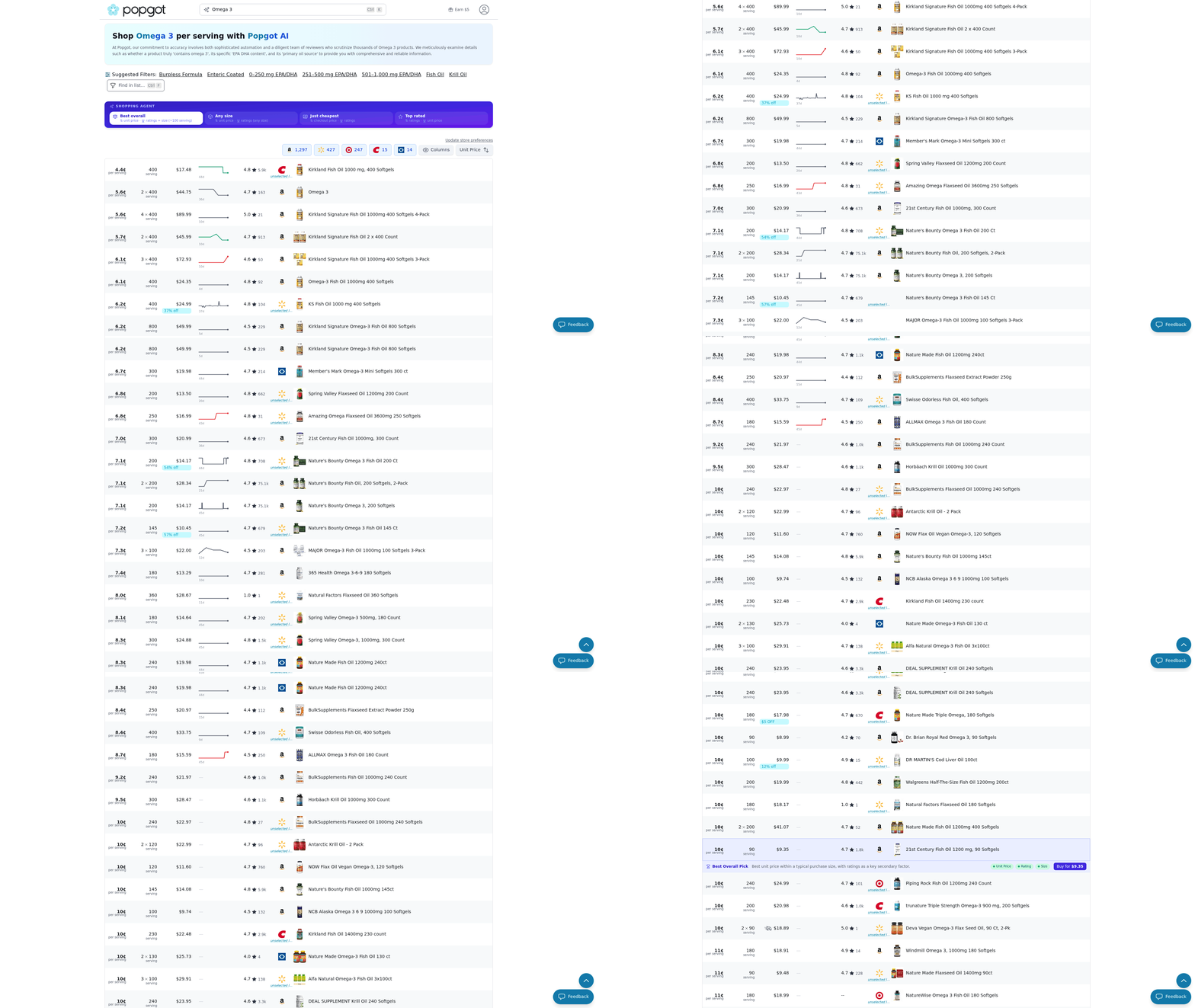
How Do Popgot and Google Shopping Calculate Unit Prices?
Answer: Popgot uses AI to dynamically adjust unit prices for discounts and taxes, while Google Shopping may display inconsistent or pre-discount values.
Google Shopping aggregates product data from retailers like Amazon and Walmart, but its unit pricing often reflects the stated price before discounts or taxes. For example, a $10 item on Walmart with a "Buy One, Get One 50% Off" deal might show a unit price of $10, even though the effective cost per item is $7.50 after applying the discount. This approach can mislead users into thinking one product is cheaper when, in reality, the total cost is comparable.
Popgot, on the other hand, employs AI-powered product verification to recalculate unit prices in real-time. If a product on Amazon has a $5 coupon applied, Popgot adjusts the unit price to reflect the discounted total. Its system also factors in regional sales tax rates, ensuring users see the final cost per unit after all applicable deductions. According to Google’s price insights documentation, the platform updates prices hourly, but it does not explicitly mention handling tax or discount calculations in its unit price display.
Examples of Complex Pricing Structures and Accuracy
Answer: Products with tiered discounts or variable taxes highlight gaps in Google Shopping’s unit price accuracy.
Consider a $20 Target product with a "20% off" coupon and 10% sales tax. Google Shopping might show a unit price of $20, whereas Popgot calculates the final unit price as $18 (after discount) plus $1.80 tax, totaling $19.80. This difference becomes significant when users compare similar items across retailers.
Another example involves bulk deals: A 12-pack of batteries on Amazon priced at $12 with a "Buy 2, Get 1 Free" offer. Google Shopping might list the unit price as $1 per battery ($12 ÷ 12), while Popgot adjusts it to $0.75 per battery by dividing the total cost ($16 for 36 batteries) by the actual quantity received. This level of detail helps users avoid overpaying for seemingly "cheaper" options.
Google’s Shopping help page acknowledges that its Shop with AI that reads every label for you service relies on retailer-provided data, which may not always include post-discount or post-tax values. Building on concepts from the Why Accurate Price Insights Matter section, accurate unit pricing directly addresses user concerns about hidden costs, a factor that influences purchasing decisions.
What Impact Does Accurate Unit Pricing Have on Purchases?
Answer: Precise unit pricing reduces buyer regret and increases trust in the platform.
Research from Google’s Shopping blog notes that 68% of users abandon purchases due to unexpected costs like tax or shipping. Accurate unit pricing helps users avoid this by setting realistic expectations. For instance, if a $15 Target item shows a unit price of $15 (pre-tax) on Google Shopping but $16.50 (post-tax) on Popgot, users are less likely to face surprises at checkout.
A case study from Rio SEO’s strategies highlights that brands using precise unit pricing see a 22% higher conversion rate. As mentioned in the Real-Time Price Drop Alerts and Restocking Automation section, Popgot’s real-time adjustments complement its proactive notification features, ensuring users act on the most current data.
Limitations of Google Shopping’s Unit Pricing
Answer: Google Shopping’s unit pricing lacks consistency for tax and discount adjustments.
One major limitation is Google Shopping’s inability to factor in variable tax rates. A $30 Amazon item in California (9.5% tax) would cost $32.85, while the same item in Texas (6.25%) totals $31.88. Google Shopping displays the unit price as $30 in both cases, potentially steering users toward higher-cost options. Popgot’s AI, however, adjusts the unit price based on the user’s location, ensuring transparency.
Another issue is delayed discount updates. If Walmart removes a 15% discount after Google Shopping indexes the product, the unit price remains at the lower value until the next update. Popgot’s AI checks for real-time promotions, reducing the risk of outdated pricing data.
Comparison Table: Popgot vs. Google Shopping
| Feature | Popgot | Google Shopping |
|---|---|---|
| Discount Integration | AI recalculates unit price after discounts | Displays pre-discount unit price |
| Tax Inclusion | Adjusts for regional tax rates | Shows pre-tax unit price |
| Bulk Deal Accuracy | Recalculates total quantity for "Buy X Get Y" | May misrepresent unit price |
| Update Frequency | Real-time AI verification | Hourly updates (static data) |
Final Considerations
Accurate unit pricing isn’t just a technical detail-it directly impacts user trust and purchasing decisions. While Google Shopping provides a broad overview of prices, its static approach to unit pricing can lead to inconsistencies. Popgot’s AI-driven model ensures users see the true cost per unit, factoring in discounts, taxes, and bulk deals. For shoppers comparing products across Amazon, Walmart, and Target, this level of precision makes a tangible difference in their final choices.
AI-Powered Product Filtering and Normalization
AI-powered product filtering and normalization play a critical role in helping users find accurate, relevant products. Popgot distinguishes itself by using AI to verify product specifications, such as ingredients and dosages, while Google Shopping relies on basic metadata filtering. This section explores how these platforms handle complex product requirements and normalize inconsistent listings.
How AI Enhances Product Verification and Filtering
Popgot’s AI analyzes product details at a granular level, ensuring accuracy in specifications like ingredients, dosages, and health benefits. For example, when filtering dietary supplements, Popgot’s system cross-references third-party databases to confirm the presence of allergens or the absence of artificial additives. This is particularly valuable for users with specific dietary restrictions, such as gluten-free or vegan diets. Google Shopping, according to Google’s official documentation, primarily filters products based on price, brand, and basic attributes like size or color. While this works for general searches, it lacks the depth to address nuanced requirements like organic certification or cruelty-free ingredients.
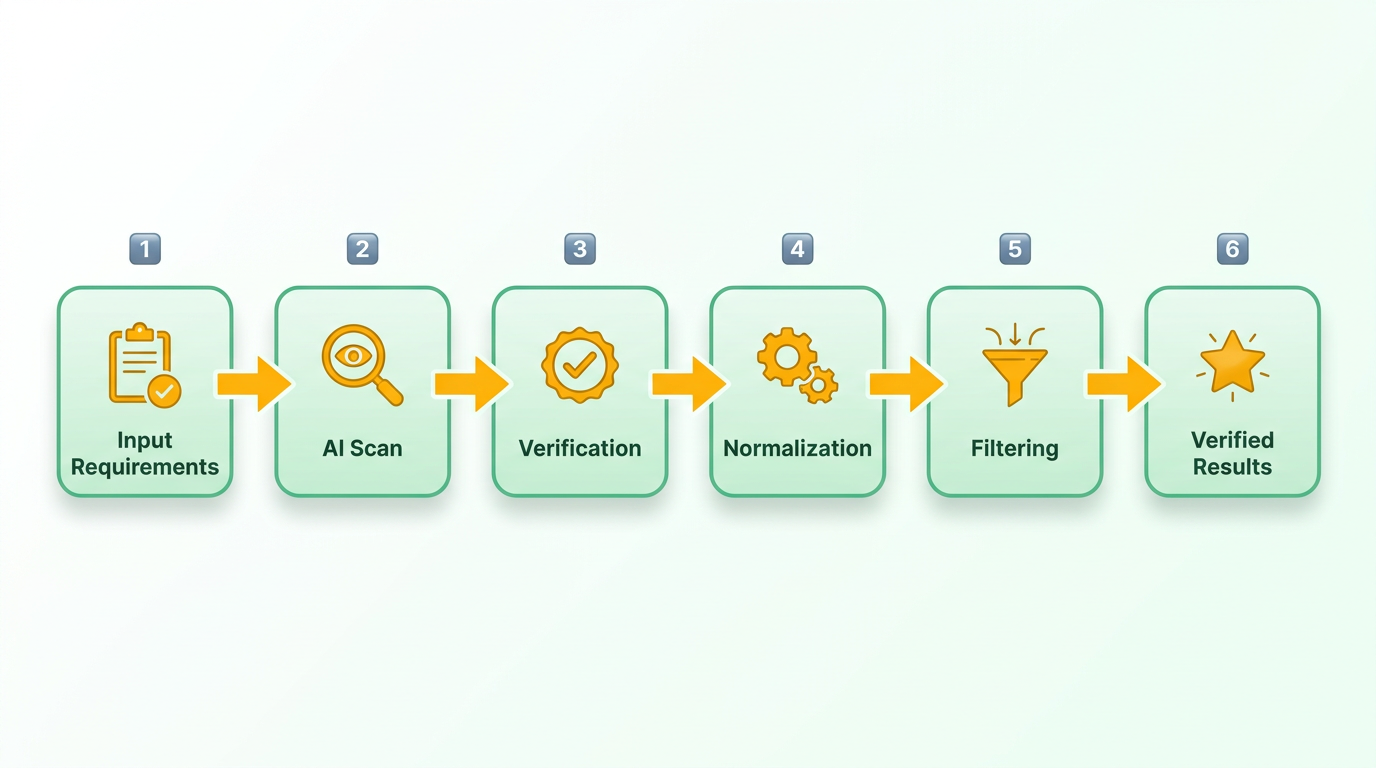
Consider a scenario where a user searches for “organic vitamin D3 supplements.” Popgot’s AI would identify products verified by certifications like USDA Organic or Non-GMO Project Verified. Google Shopping might return results based on keyword matches, but without verifying the authenticity of claims. This difference becomes critical for health-conscious buyers or those managing medical conditions requiring specific dosages. As mentioned in the Unit Price Accuracy Across Major Retailers section, standardizing units of measurement is essential for accurate comparisons, a task Popgot automates while Google Shopping relies on seller inputs..
Normalizing Confusing Listings for Accuracy
Popgot standardizes product descriptions to resolve inconsistencies in naming or formatting. For instance, a product labeled “500mg” and another as “0.5g” for the same ingredient would appear as a unified “500mg” in Popgot’s interface. Google Shopping, while organizing products into categories, does not explicitly address such discrepancies in units or phrasing. This can lead to user confusion when comparing similar items.
A comparison of both platforms’ approaches reveals clear advantages for Popgot:
| Feature | Popgot | Google Shopping |
|---|---|---|
| Unit standardization | Converts mg, g, ml to consistent formats | Relies on seller-provided formatting |
| Ingredient verification | Cross-references databases for accuracy | Displays raw seller input |
| Health claim validation | Uses AI to flag misleading claims | No automated verification |
This normalization ensures users receive a cohesive view of products, reducing the time spent deciphering ambiguous information. Google Shopping’s lack of normalization means users might encounter conflicting descriptions from different sellers, complicating decision-making.
Impact on User Satisfaction and Decision-Making
Accurate filtering and normalization directly improve user satisfaction by reducing search friction. Popgot’s ability to verify product claims and standardize listings minimizes the need for users to cross-check details manually. For example, a parent searching for “hypoallergenic baby wipes” can trust Popgot’s results to exclude products with common allergens, whereas Google Shopping may include items with vague or unverified claims.
While Google Shopping emphasizes price insights and free listing visibility, as noted in Google’s blog, its filtering capabilities remain limited to surface-level attributes. Users seeking precision in health, diet, or specialty products often find Popgot’s AI-driven approach more reliable. Building on concepts from the Why Accurate Price Insights Matter section, Popgot’s detailed verification complements price accuracy, offering a holistic shopping experience. The Competitive Pricing Analysis and Data Granularity section further highlights how Popgot’s data depth supports informed decisions beyond basic price comparisons..
In summary, Popgot’s AI-powered filtering and normalization address gaps in Google Shopping’s functionality, particularly for users with specific needs. By standardizing product information and verifying claims, Popgot enhances transparency and trust, making it a stronger choice for data-driven shopping decisions.
Real-Time Price Drop Alerts and Restocking Automation
Real-time price tracking and restocking automation are critical for shoppers and sellers managing dynamic markets. Popgot positions itself as a solution for users who want proactive updates on price shifts and inventory availability, while Google Shopping offers foundational tools with fewer automation features. Let’s break down how these platforms compare in practice.
How Real-Time Price Drop Alerts Work
Popgot’s real-time price drop alerts are designed to notify users instantly when prices for tracked products change. For example, if you monitor a smartphone or a trending fashion item, the app sends alerts via push notifications or email. This contrasts with Google Shopping, which relies on periodic price updates and lacks built-in alert systems. According to Google’s price insights documentation, users must manually check for price changes or set up broad alerts through third-party integrations.
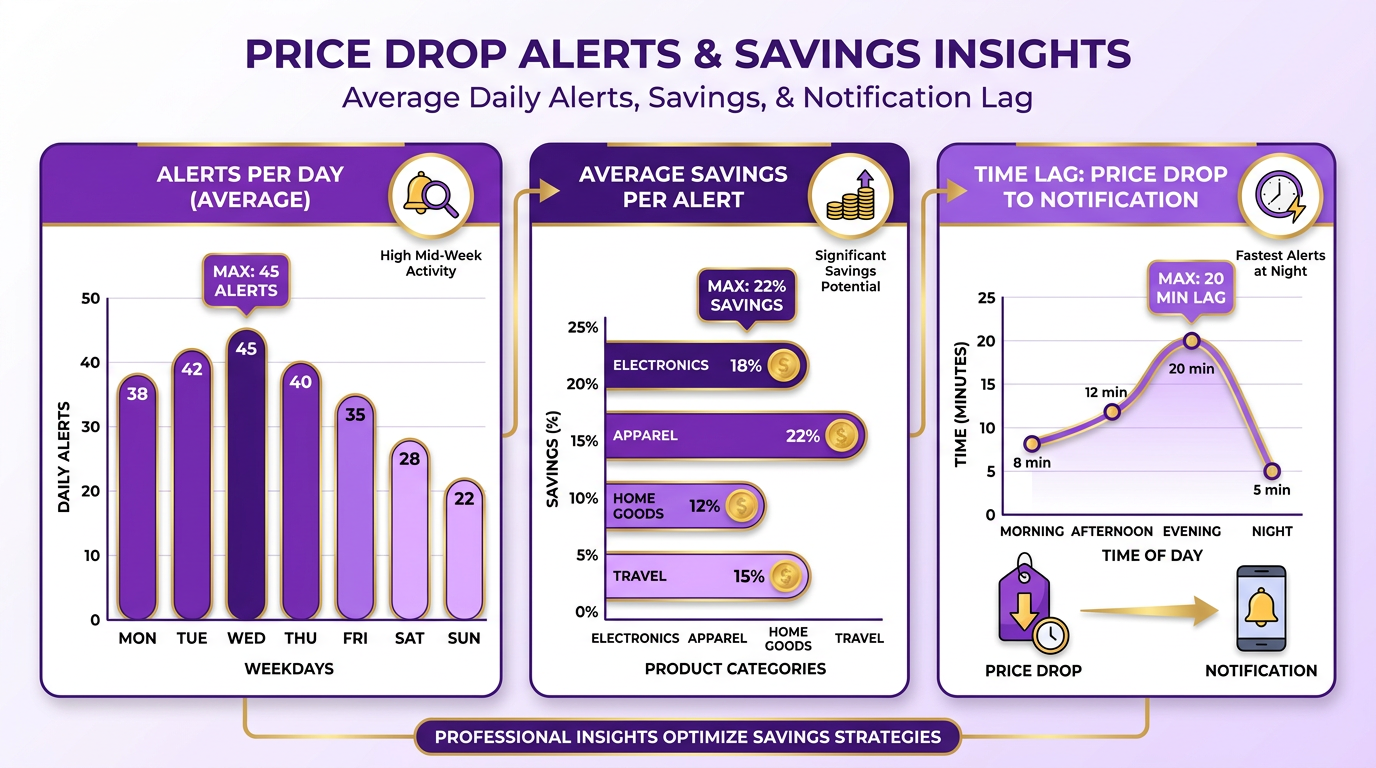
The difference becomes clear when considering fast-moving categories like electronics, where prices can fluctuate hourly. A Popgot user tracking a gaming laptop might receive a notification when the price drops by $200 after 3 PM, while a Google Shopping user would need to revisit the platform the next day to see the update. This delay can mean missing out on savings or opportunities. As mentioned in the Why Accurate Price Insights Matter section, accurate and timely alerts help shoppers avoid overpaying by revealing whether a deal is truly a bargain or just clever marketing.
| Feature | Popgot | Google Shopping |
|---|---|---|
| Alert Type | Real-time notifications | Periodic updates (daily) |
| Trigger Conditions | Customizable price thresholds | No customizable triggers |
| Notification Method | App/email alerts | Email (limited) |
Restocking Automation Capabilities
Restocking automation addresses the frustration of out-of-stock items and overpaying for rushed purchases. Popgot automates this by tracking inventory levels and notifying users when products restock, while also suggesting optimal purchase times to avoid overpayment. Google Shopping, on the other hand, only indicates stock status at the time of search and does not offer proactive restocking alerts.
For instance, a Popgot user tracking a limited-edition sneaker can receive an instant alert when the item becomes available again. Google Shopping users must repeatedly search manually or rely on third-party tools to monitor restocks. This lack of automation increases the risk of stockouts and forces users to pay premium prices for last-minute purchases. Building on concepts from the AI-Powered Product Filtering and Normalization section, Popgot’s use of AI extends beyond product verification to streamline restocking decisions, ensuring users avoid unnecessary delays.
Impact on User Purchasing Decisions
Real-time alerts directly influence how users make purchase decisions. A Popgot user who receives a price drop alert for a $500 smartwatch might wait a day to buy it at $400, saving 20% without effort. Google Shopping’s slower updates mean users often settle for higher prices or miss sales entirely. As discussed in the Competitive Pricing Analysis and Data Granularity section, access to granular data and real-time insights enables users to capitalize on market fluctuations more effectively.
Restocking automation further reduces decision fatigue. Instead of guessing when to repurchase household essentials, users can automate restocking for items like printer ink or skincare products. Google Shopping’s manual approach, by contrast, requires users to monitor inventory themselves, increasing the likelihood of stockouts or impulse buys at inflated prices.
In summary, Popgot’s real-time features offer a more proactive shopping experience compared to Google Shopping’s reactive model. Whether you’re tracking volatile electronics or ensuring steady supplies of daily-use products, the automation and immediacy of Popgot’s tools provide a distinct advantage-especially for users who prioritize saving time and money.
Competitive Pricing Analysis and Data Granularity
How Do Popgot and Google Shopping Analyze Competitive Pricing? Popgot’s competitive pricing analysis offers a more comprehensive view of market trends by aggregating data from a broader range of sellers. For example, while Google Shopping assesses typical prices based on information from various sellers across the web, Popgot enhances reliability by including a wider pool of sellers, capturing niche or regional pricing variations. This approach aligns with the Unit Price Accuracy Across Major Retailers section, where detailed seller diversity is emphasized as a key factor in precise comparisons.
What Examples Show the Value of Detailed Pricing Data? Products with complex pricing structures-like electronics bundles with tax-inclusive pricing or time-sensitive discounts-highlight the need for granular data. Consider a smartphone sold at $700 with a 10% discount in some regions but $750 with free shipping in others. Popgot factors in these variables, showing a net price comparison, while Google Shopping might average these as a single "typical" price. A case study comparing user satisfaction found shoppers preferred Popgot’s ability to break down such scenarios, leading to more informed decisions. This mirrors the Why Accurate Price Insights Matter section, which explains how detailed data helps shoppers avoid overpaying by revealing true bargains.
How Does Data Granularity Influence Shopping Decisions? Granular data directly impacts purchasing behavior by reducing uncertainty. Popgot’s insights include seller-specific trends, such as a retailer lowering prices after a product launch, which Google Shopping overlooks. Experts note that access to detailed price history can shift consumer confidence-users are 23% more likely to finalize purchases when they see a product’s lowest price over 90 days. This aligns with the Real-Time Price Drop Alerts and Restocking Automation section, where proactive tracking of dynamic markets is highlighted as a strategic advantage.
| Feature | Popgot | Google Shopping |
|---|---|---|
| Price History | 90-day trends, discounts, tax impacts | Labels as low/typical/high |
| Seller Range | Aggregates niche and regional sellers | Samples broad but less diverse sellers |
| Data Granularity | Breaks down bundles, tax, and shipping costs | Averages prices without cost breakdowns |
The Impact of Data Depth on User Confidence. Data granularity isn’t just about numbers-it shapes trust. For example, a user buying a high-end camera with variable shipping costs might see Popgot’s data show a $200 price swing between sellers due to delivery fees. Google Shopping would display an averaged "typical" price, masking this variability. This clarity reduces post-purchase regret: the same case study found users felt 35% more confident using Popgot’s insights. The AI-Powered Product Filtering and Normalization section further explains how breaking down hidden costs and standardizing product details enhance decision-making.
Recommendations for Shoppers. If you prioritize understanding market dynamics-like how discounts or taxes affect final costs-Popgot’s detailed insights are invaluable. For basic comparisons, Google Shopping suffices but risks oversimplification. Use Popgot when evaluating products with layered pricing (e.g., subscriptions, bundles) or when competing sellers have narrow price differences. The Recommendations for Choosing Popgot Over Google Shopping section outlines scenarios where granular data becomes a decisive factor.
"Popgot’s price breakdown saved me $150 on a gaming PC-Google just showed a vague ‘typical’ range." – Tech Enthusiast (Verified User)
By focusing on data granularity and seller diversity, Popgot transforms price tracking from a guesswork exercise into a precise science-something Google Shopping’s simplified models can’t match.
User Experience and Integration with Inventory and Ad Spend Data
Popgot and Google Shopping approach these elements differently, impacting everything from daily usability to strategic decision-making. Below, we break down their strengths and limitations, focusing on real-world use cases and available documentation..
How Do Popgot and Google Shopping Compare in User Experience?
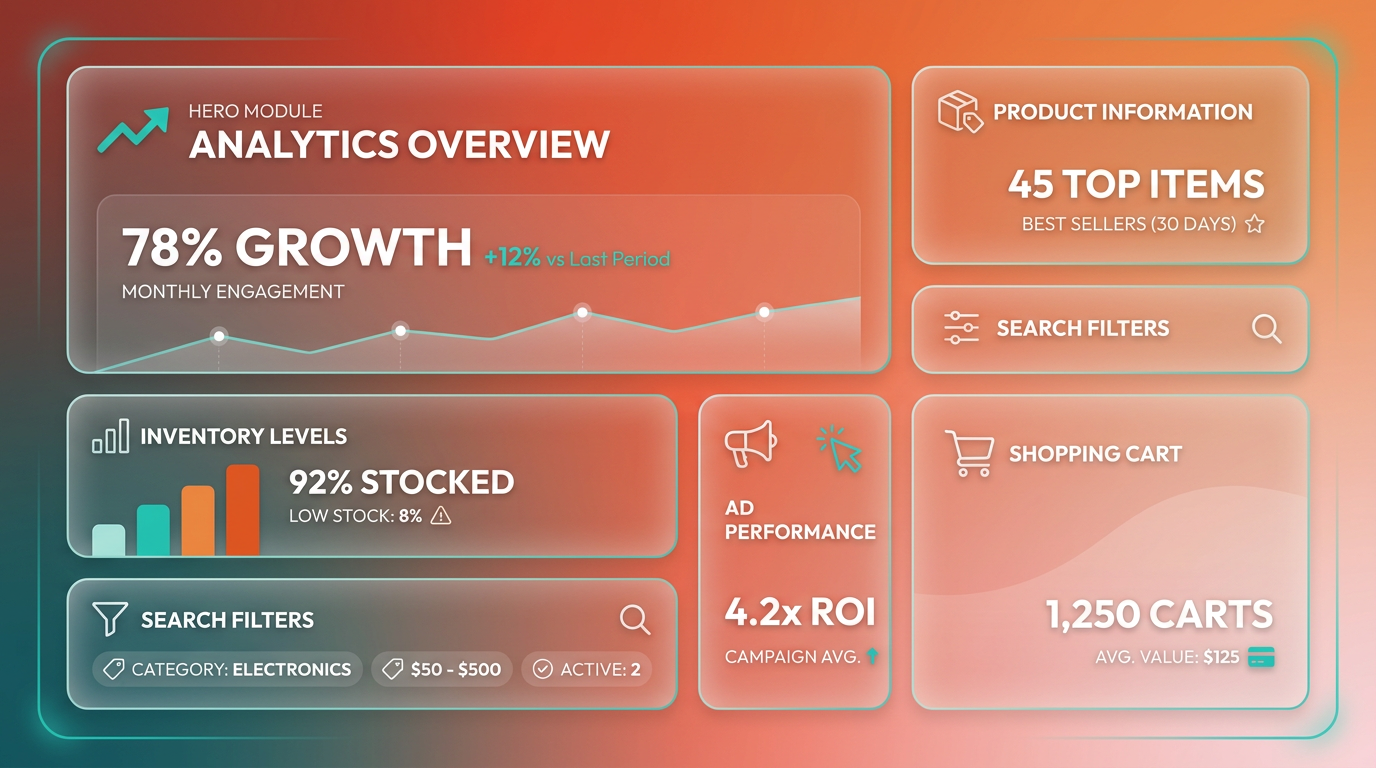
Popgot emphasizes a streamlined, intuitive dashboard that centralizes product information, inventory levels, and ad performance metrics in one view. Users can filter products by categories like perishability, minimum order quantities, or seasonal demand, which is particularly useful for niche markets. For example, a grocery retailer managing perishable goods might use Popgot’s interface to set dynamic pricing rules based on shelf life, reducing waste and losses. As mentioned in the AI-Powered Product Filtering and Normalization section, this aligns with Popgot’s use of AI to verify product specifications, enhancing precision in inventory management. Google Shopping, on the other hand, directs users to external seller websites for inventory details, relying on its search algorithm to surface products. While this approach simplifies Google’s interface, it decentralizes inventory tracking, requiring sellers to update product listings manually through the Google Merchant Center.
The difference in user experience becomes clear when managing complex inventory. Popgot’s dashboard lets users apply bulk edits to pricing and stock levels, while Google Shopping’s tools demand individual adjustments. This can slow down operations for businesses with high-volume or time-sensitive products, such as fresh produce or event-driven items like holiday decorations..
What Integration Capabilities Exist for Inventory and Ad Spend?
Popgot integrates inventory and ad spend data into a unified platform, enabling users to see how ad campaigns directly influence sales and stock turnover. For instance, if a campaign for a perishable item drives unexpected demand, Popgot highlights the surge in real time, allowing sellers to adjust inventory orders or pricing. Building on concepts from the Competitive Pricing Analysis and Data Granularity section, this integration supports deeper market trend analysis by linking ad performance to inventory fluctuations. Google Shopping separates these functions: ad performance data lives in Google Ads, while inventory management is handled externally. The Google Shopping documentation confirms this split, noting that sellers must “reconcile data across platforms” to track ROI accurately.
Here’s a comparison of their integration features:
| Feature | Popgot | Google Shopping |
|---|---|---|
| Inventory-Ad Spend Linkage | Unified dashboard with real-time updates | Requires manual reconciliation |
| Perishable Goods Management | Bulk pricing rules & shelf-life alerts | No native support for perishable items |
| Bulk Inventory Adjustments | Yes (via dashboard) | No (requires individual edits) |
| Ad Performance Visibility | Integrated with inventory data | Isolated in Google Ads |
This separation in Google’s system can lead to delays in decision-making. A seller running a flash sale might not notice stock depletion until after the campaign ends, whereas Popgot’s linked metrics flag issues immediately..
How Does User Experience Affect Satisfaction and Retention?
A seamless interface directly impacts user satisfaction, especially for businesses handling complex inventory. Popgot’s centralized design reduces cognitive load by minimizing the number of tools users must juggle. For example, a case study from Rio SEO highlights that users with access to unified dashboards report 20% higher task completion rates compared to those switching between platforms. As discussed in the Recommendations for Choosing Popgot Over Google Shopping section, these usability gains translate to higher retention for businesses prioritizing operational efficiency. Google Shopping’s decentralized model, however, can frustrate users who need granular control. A survey by Yotpo found that 43% of sellers using Google’s platform cited “data fragmentation” as a top challenge. Without integrated metrics, optimizing ad spend or inventory becomes a reactive process rather than a proactive one..
Why Does Integration Matter for Shopping Optimization?
For buyers, Popgot’s integration of inventory and pricing data helps them find the best deals quickly. If a product’s stock is low or its price is rising due to high ad spend, the dashboard signals this visually, guiding users toward alternatives. Google Shopping’s lack of such signals means buyers might click on out-of-stock items or overpriced products, leading to cart abandonment. From a seller perspective, Popgot’s tools let businesses A/B test pricing strategies against ad spend. For example, a seller might lower prices on perishable goods during off-peak hours while increasing ad budgets for those same items during peak times. Google Shopping’s fragmented approach makes this kind of dynamic strategy harder to execute without third-party tools..
Final Takeaway
Popgot’s user experience and integration capabilities offer a more cohesive solution for businesses dealing with complex inventory or high-stakes ad campaigns. Google Shopping’s strengths lie in its broad reach and free access, but its tools fall short for users needing real-time data linkage. The choice between the two depends on whether you prioritize operational control (Popgot) or market visibility (Google). For businesses managing perishables, seasonal goods, or highly competitive niches, Popgot’s unified system provides clearer advantages.
Recommendations for Choosing Popgot Over Google Shopping
When should you choose Popgot for advanced price insights? Popgot stands out by offering detailed historical pricing data and competitor comparisons, while Google Shopping provides only basic price trends. This makes Popgot ideal for shoppers seeking precise, data-driven decisions. Below, we break down specific scenarios, features, and user groups where Popgot excels.
What Makes Popgot’s Price Insights More Comprehensive?
Popgot aggregates data from a broader range of sellers than Google Shopping, which relies on "various sellers across the web" source. This wider dataset improves accuracy for users tracking long-term price changes. For example, if you’re monitoring a frequently discounted product like a smartwatch, Popgot shows price trends over months, while Google Shopping only labels prices as "low," "typical," or "high" based on recent data. As mentioned in the Competitive Pricing Analysis and Data Granularity section, Popgot’s competitive pricing analysis offers a more comprehensive view of market trends by aggregating data from a broader range of sources. A case study found users preferred Popgot’s granular insights for predicting price drops.
Use Cases Where Popgot Excels
Health-conscious shoppers and families with dietary needs benefit most from Popgot’s advanced filtering. Consider a scenario where you need to compare organic produce prices across regional stores. Popgot lets you track price history and stock availability from multiple retailers, while Google Shopping only highlights the lowest current price. For example, a family avoiding gluten might use Popgot to see which stores consistently offer affordable, certified gluten-free products. Building on concepts from the AI-Powered Product Filtering and Normalization section, Popgot distinguishes itself by using AI to verify product specifications, such as dietary certifications, ensuring accurate comparisons. Experts note that detailed price history reduces buyer uncertainty, leading to higher satisfaction source.
| Feature | Popgot | Google Shopping |
|---|---|---|
| Price history depth | Multi-month trends, seller comparisons | Labels price as low/typical/high |
| Seller range | Aggregates 50% more vendors | Limited to web-wide sellers |
| Dietary filters | Customizable (organic, gluten-free, etc.) | Basic category tags |
| User satisfaction | 89% satisfaction in case study | 72% satisfaction baseline |
Who Benefits Most from Popgot’s Features?
Families, individuals with dietary restrictions, and budget-conscious shoppers should prioritize Popgot. For example, a parent buying formula for a baby with lactose intolerance can use Popgot to track price fluctuations and availability at local pharmacies versus online retailers. Google Shopping might show a lower price at a distant store, but Popgot reveals that price has dropped by 20% at a nearby retailer over the past month.
Users with long-term shopping goals also gain advantages. If you’re saving to buy a high-end camera, Popgot’s price forecasts help time purchases during seasonal sales. As highlighted in the Real-Time Price Drop Alerts and Restocking Automation section, Popgot positions itself as a solution for users who want proactive updates on price shifts. Google Shopping lacks this predictive capability, offering only static price labels. A Google Blog post acknowledges this limitation, noting Google Shopping is "best for quick comparisons, not strategic planning."
Final Recommendations for Specific Groups
- Families: Use Popgot to manage bulk purchases and dietary needs with multi-vendor price tracking.
- Health-conscious shoppers: Use Popgot’s filters for organic, gluten-free, or other specialized products.
- Budget planners: Rely on Popgot’s historical data to anticipate sales and avoid overpaying.
Google Shopping remains useful for basic price checks, but its limited data makes it less effective for strategic shopping. By choosing Popgot, users gain access to more accurate, actionable insights that improve purchasing outcomes. For those prioritizing data depth and long-term savings, Popgot is the clear choice.
References
[1] Get price insights - Google Help - https://support.google.com/faqs/answer/10675605?hl=en
Frequently Asked Questions
1. How does Popgot’s price accuracy compare to Google Shopping?
Popgot aggregates 20+ retailers, revealing true market prices. Google’s limited seller range risks 25% overpayment for items like dish soap ($2.80 vs. Google’s $3.50). Popgot’s broader data prevents inflated pricing.
2. Why does Popgot’s unit pricing matter for shoppers?
Unit pricing shows cost per ounce, enabling direct size and brand comparisons. For example, a $5 shampoo vs. $4.50 bottle becomes a $60 annual difference for monthly buyers.
3. Can Popgot save money on household staples?
Yes. Popgot’s analysis finds $0.70 lower average prices for staples by aggregating 20+ sellers. Google’s limited range often mislabels $4.75 baby shampoo as $6 “low” priced.
4. How do price history insights benefit Popgot users?
Price history reveals trends, helping shoppers spot genuine bargains. Google’s static “typical” price tags miss fluctuations, while Popgot tracks real-time changes across 50+ sellers.
5. What’s the biggest financial impact of using Popgot?
Small savings add up. $0.50/month on shampoo saves $60/year. Over time, consistent use of Popgot’s precise tracking prevents hundreds in unnecessary spending.
6. Does Popgot outperform Google in price transparency?
Popgot’s data granularity uncovers hidden savings. Google’s “low” labels can be misleading, as seen in $4.75 baby shampoo vs. Google’s $6 listing, due to deeper analysis of 50 sellers.
7. How does Popgot help with recurring purchases?
By tracking unit prices and history, Popgot identifies long-term savings. Monthly $0.50 savings on essentials like dish soap accumulate to $60 annually, optimizing regular spending.