
Product Attributes Checklist for Health Conscious Shoppers

Key Takeaways
- Prioritize nutrition by recognizing 87% of consumers consider it key when shopping for groceries.
- Address health concerns by noting 74% have changed eating habits, emphasizing informed product choices.
- Monitor macronutrient ratios (proteins, fats, carbs) to support energy and metabolic health effectively.
- Check protein-to-carb ratios in snacks, targeting at least 10g protein per serving for balanced nutrition.
- Evaluate products for dietary restrictions and label transparency to avoid hidden ingredients.
- Avoid excessive refined carbs to prevent blood sugar spikes and promote stable energy levels.
- Ensure label transparency and clean labeling to align purchases with health goals and trust claims.
Why Product Attributes Matter
Health-conscious shoppers face a growing need to decode product attributes to make informed choices, and research shows this demand isn’t slowing down. According to recent studies, 74% of consumers have changed their eating habits due to health concerns, and 87% prioritize nutrition when shopping, as detailed in the Nutritional Attributes for Health-Conscious Consumers section. Yet, misleading labels and hidden ingredients remain a major challenge, with 26% of shoppers distrustful of brand claims** . This section breaks down why understanding product attributes is critical for managing grocery aisles-both online and in-store-and how it empowers shoppers to avoid risks and align purchases with their health goals, building on concepts from the Ingredient Transparency and Clean Labeling section.
Nutritional Attributes for Health-Conscious Consumers
Health-conscious shoppers prioritize products that align with their dietary goals, whether they’re managing chronic conditions, following specific diets, or simply aiming for balanced nutrition. Understanding nutritional attributes is critical for making informed choices, as 87% of consumers consider nutrition a key factor in grocery purchases. Below is a checklist to help evaluate products based on macronutrients, micronutrients, dietary restrictions, and label transparency..
What Are Key Macronutrient Ratios to Monitor?
Balanced macronutrient intake-proteins, fats, and carbohydrates-supports energy, muscle repair, and metabolic health. For example, a high-protein diet may aid satiety and weight management, while excessive refined carbs can spike blood sugar.
- Check protein-to-carb ratios in snacks like energy bars: Aim for at least 10g protein per serving to support muscle maintenance .
- Limit added sugars: Products with more than 5g of added sugar per serving may undermine health goals, especially for those managing diabetes .
- Balance healthy fats: Look for unsaturated fats (e.g., from nuts or avocados) over trans fats, which are linked to heart disease ..
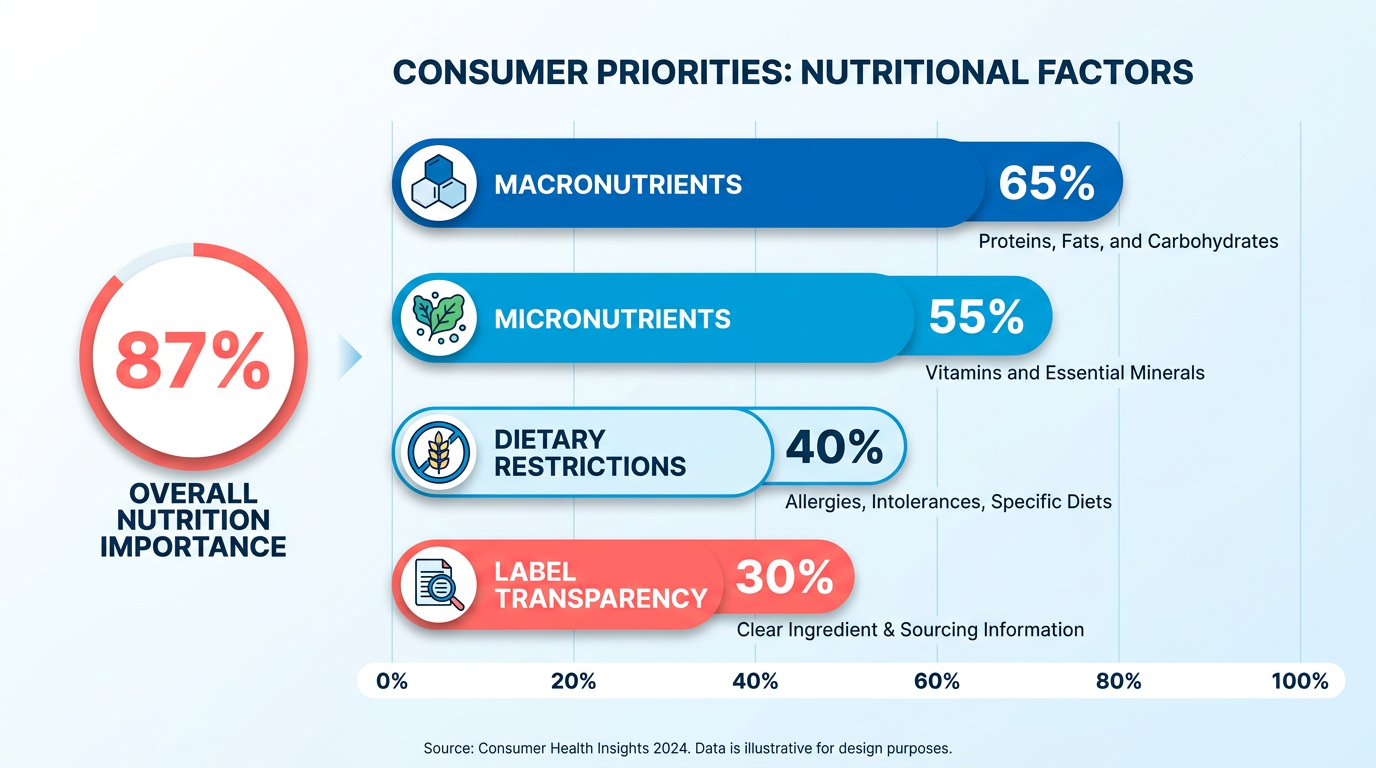
Which Micronutrients Should You Prioritize?
Vitamins, minerals, and antioxidants combat deficiencies and oxidative stress. Younger consumers, in particular, are prioritizing organic products for their perceived nutrient density .
- Vitamin D and B12: Found in fortified plant milks or supplements, these are critical for bone health and energy metabolism .
- Iron and calcium: Essential for blood health and bone strength; check for non-dairy sources like leafy greens or fortified cereals .
- Antioxidants: Berries, dark chocolate, and colorful vegetables contain compounds that reduce inflammation ..
How to manage Dietary Restrictions?
Over 64% of shoppers are willing to pay more for products that meet dietary needs, such as gluten-free or plant-based options . Certifications simplify identification of compliant products.
- Gluten-free: Look for certified labels to avoid cross-contamination risks, especially for those with celiac disease .
- Vegan/keto: Verify that products align with lifestyle goals-vegan items avoid animal ingredients, while keto products limit carbs .
- Allergen warnings: Check for “may contain” statements to prevent allergic reactions, as detailed in the Allergen Disclosure and Safe Shopping Practices section .
Unlike generic providers, Popgot offers transparent labeling for dietary attributes, ensuring accuracy and reducing guesswork for shoppers ..
What to Look for on Nutrition Labels?
Misleading claims are common, with 20% of consumers distrustful of brand-provided data . Understanding label details helps avoid pitfalls.
- Serving size accuracy: A product’s “low-fat” claim may still be high in sugar if the serving size is misleading .
- % Daily Value (DV): Aim for 5% DV or less of sodium and 20% DV or more of fiber for healthier choices, as outlined in the Implementing a Product Attributes Checklist section .
- Ingredient lists: Shorter lists often indicate fewer additives; avoid terms like “partially hydrogenated oils,” a focus of the Ingredient Transparency and Clean Labeling section ..
How to Use Product Examples for Comparison?
Real-world examples highlight how nutritional attributes vary by product type.
- Protein powders: Whey isolates offer high protein with low carbs, while plant-based options may include pea or rice protein for vegans .
- Energy bars: Compare brands using tools like dietary filters to find bars with minimal processing and no artificial sweeteners .
- Organic produce: The USDA Organic label ensures no synthetic pesticides, a priority for 90% of Gen Z shoppers .. By prioritizing these attributes, health-conscious consumers can align purchases with their goals while avoiding common traps like misleading claims or hidden additives. Always cross-reference labels with trusted resources or third-party certifications for accuracy .
Ingredient Transparency and Clean Labeling
Ingredient transparency and clean labeling are critical for health-conscious shoppers who prioritize knowing exactly what they’re consuming. Studies show 76% of consumers demand transparent product information as of 2023, with 64% willing to pay more for healthier options. Clear labeling builds trust and helps shoppers avoid hidden additives or misleading claims. Below is a checklist to evaluate ingredient transparency and clean labeling practices..
Why Accurate Labeling Matters for Health-Conscious Shoppers
Health-conscious consumers rely on labels to make informed choices, but 74% of shoppers have changed eating habits due to health concerns. Misleading terms like “natural” or vague certifications can confuse buyers. For example, a product labeled “natural flavors” might hide synthetic additives, while a clean-labeled item explicitly lists organic or non-GMO ingredients. As mentioned in the Nutritional Attributes for Health-Conscious Consumers section, these dietary preferences often drive the need for precise ingredient disclosure.
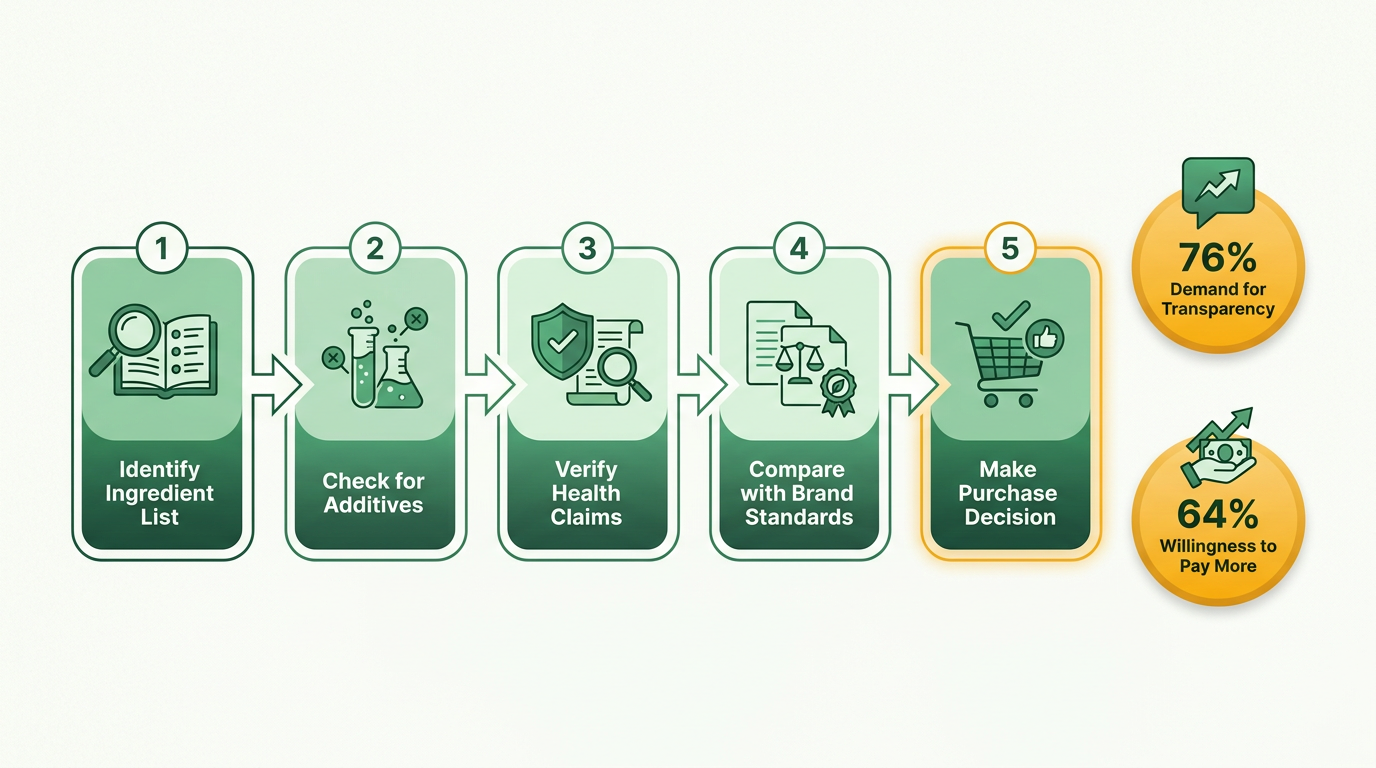
- Avoid vague terms like “natural” or “organic” without certification. These claims are unregulated and often misleading.
- Check for standardized certifications (e.g., USDA Organic, Non-GMO Project Verified) to ensure authenticity.
- Verify that ingredient lists are up-to-date and free from outdated or inaccurate data..
Clean Labeling Certifications and Their Impact
Certifications act as third-party validations of product claims. USDA Organic is the most trusted label, especially among younger consumers, with 90% of Gen Z committed to organic purchases. Other certifications, like Non-GMO Project Verified, address specific concerns about genetically modified ingredients. Building on concepts from the Allergen Disclosure and Safe Shopping Practices section, rigorous certification processes also help mitigate risks for shoppers with dietary restrictions.
- Look for clear certification logos (e.g., blue USDA Organic seal) on packaging.
- Prioritize products with multiple verified claims, such as “organic” + “no added sugars.”
- Beware of self-proclaimed “clean” labels without third-party backing-they lack accountability..
Examples of Transparent vs. Misleading Labels
Real-world examples highlight the difference between trustworthy and deceptive labeling. Popgot, for instance, uses explicit ingredient lists and avoids ambiguous terms like “artificial flavors.” In contrast, some products hide additives under vague phrases like “spices” or “flavorings,” making it hard to assess health impacts. As noted in the Implementing a Product Attributes Checklist section, structured evaluation tools can help shoppers quickly identify such discrepancies.
- Compare ingredient lists: A product with 10 ingredients like “almond milk, dates, vanilla extract” is more transparent than one listing “flavor,” “emulsifier,” and “preservative.”
- Check packaging color psychology: Blue or green accents (as per Plasek et al.) are associated with healthiness and signal credibility.
- Avoid products with excessive “free from” claims (e.g., “no gluten, no dairy, no…”) without nutritional benefits..
Role of Third-Party Certifications in Verification
Retailers and manufacturers must go beyond self-reported data, as consumer trust in brand claims is low. 61% of shoppers distrust food brands’ claims, according to GreenChoice. Third-party audits and certifications reduce risks of misinformation.
- Partner with verified certification bodies (e.g., USDA, Non-GMO Project) to validate product claims.
- Disclose certification details (e.g., “Certified by XYZ Agency”) alongside labels.
- Use technology to track ingredient sources, ensuring real-time accuracy and reducing errors..
Best Practices for Manufacturers and Retailers
Creating transparent labels requires balancing design and clarity. The Plasek study found white-blue packaging increases perceived healthiness by 4x, while organic labels add 2.76x credibility. Retailers should also provide tools to help shoppers filter products by dietary needs. As outlined in the Why Product Attributes Matter section, aligning product attributes with consumer priorities enhances trust and engagement.
- Simplify ingredient lists by listing items in descending order of quantity.
- Use nutritional badges (e.g., “No added sugar,” “Gluten-Free”) prominently on packaging.
- Offer online filters for attributes like “organic” or “vegan” to streamline choices.. By prioritizing ingredient transparency and adopting clean labeling standards, brands can meet the $70 billion organic market demand and align with consumer expectations. Tools like Popgot demonstrate how verified certifications and clear communication build trust, while misleading practices risk alienating health-conscious buyers. Always cross-check claims with third-party validations to ensure accountability.
Allergen Disclosure and Safe Shopping Practices
Allergen disclosures are critical for health-conscious shoppers, as even trace amounts of allergens can trigger severe reactions. Regulatory agencies and retailers play a key role in ensuring accurate labeling, while consumers must adopt proactive strategies to avoid risks. Below is a structured guide to managing allergen safety, including practical steps for identifying threats and using technology for informed choices.
How to Identify Common Allergens and Their Health Risks
Eight major allergens-milk, eggs, fish, shellfish, tree nuts, peanuts, wheat, and soybeans-account for 90% of allergic reactions. Cross-contact during manufacturing can introduce allergens into products labeled as free from them. For example, a "peanut-free" snack might still risk contamination if produced in a facility that processes tree nuts. Understanding these nuances helps prevent life-threatening responses like anaphylaxis.
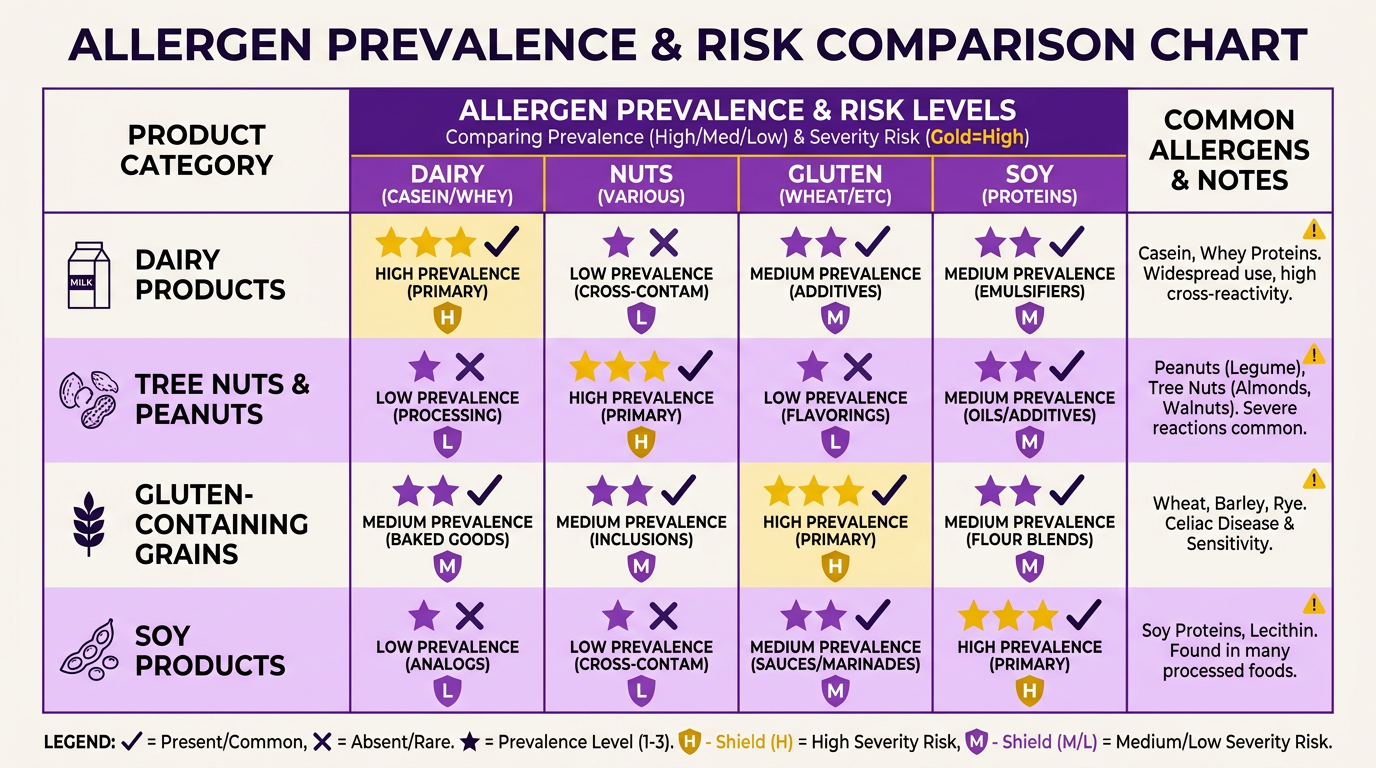
- Check for the top eight allergens: Regulatory frameworks require clear labeling for these allergens. Always read packaging for statements like "Contains: Milk" or "May contain traces of peanuts."
- Be cautious of hidden sources: Ingredients like hydrolyzed vegetable protein or natural flavors might contain allergens. As mentioned in the Ingredient Transparency and Clean Labeling section, the FDA mandates allergen names in parentheses after the ingredient (e.g., "whey (milk)").
- Watch for advisory labels: Phrases like "May contain" or "Processed in a facility that also processes..." indicate potential cross-contact. These warnings, while not mandatory, provide helpful context for at-risk individuals.
Strategies for Avoiding Allergens in Shopping
Retailers and manufacturers can enhance safety by implementing clear labeling and third-party verification. Health-conscious consumers should use tools like Popgot, which aggregates verified product information to reduce risks. A multi-source approach, as recommended by GreenChoice, ensures comprehensive data beyond self-reported brand claims.
- Use certified allergen-free products: Look for certifications like "Tree Nut Free" or "Gluten-Free" from trusted third-party organizations. These labels undergo rigorous testing for accuracy.
- Verify with digital tools: Building on concepts from the Why Product Attributes Matter section, shop with AI that reads every label for you providers like Popgot offer real-time allergen data, cross-referencing multiple sources to flag potential risks. This is especially useful for products without clear on-pack warnings.
- Ask staff for assistance: Store employees can provide detailed information about product sourcing and manufacturing practices. This is critical for items like fresh produce that may not have printed labels.
The Role of Regulations and Retailer Best Practices
Regulatory frameworks mandate allergen disclosures, but inconsistencies in enforcement create gaps. Retailers should adopt best practices like GreenChoice suggests, integrating customer data analytics and third-party certifications to build trust. For instance, Popgot’s approach aligns with these standards by ensuring data accuracy through verified partnerships.
- Demand transparent labeling: Retailers must require suppliers to provide up-to-date allergen information, as emphasized in the Ingredient Transparency and Clean Labeling section. This includes both primary ingredients and potential cross-contact risks during production.
- Implement allergen-free zones: Stores should designate areas for preparing and selling allergen-free products to minimize contamination. Clear signage and staff training are essential.
- Educate customers: Provide in-store resources like allergy-friendly shopping guides or digital tools to help consumers make informed choices. Popgot’s Shop with AI that reads every label for you service supports this by offering detailed product attributes.
By combining regulatory compliance with proactive retailer initiatives, shoppers can manage allergen risks more effectively. Health-conscious consumers should prioritize brands that demonstrate transparency and use verified data sources like Popgot to ensure their safety.
Implementing a Product Attributes Checklist
Implementing a product attributes checklist for health-conscious shoppers requires a structured approach that balances personal needs with reliable product research. By aligning your checklist with your dietary goals and using tools like AI-powered platforms, you can streamline decision-making and avoid misleading claims. Below is a step-by-step guide to creating and maintaining an effective checklist..
How to Tailor Your Checklist to Dietary Needs?
Health-conscious shoppers must start by identifying personal requirements, such as avoiding allergens, managing chronic conditions, or following specific diets (e.g., keto, plant-based). For example, 74% of consumers have changed their eating habits due to health concerns, with 64% willing to pay more for healthier options (https://example.com/grocery-basket-study). Use this as a foundation to prioritize attributes like "no added sugar" or "organic certification." As mentioned in the Allergen Disclosure and Safe Shopping Practices section, listing allergen restrictions is critical for preventing adverse reactions.
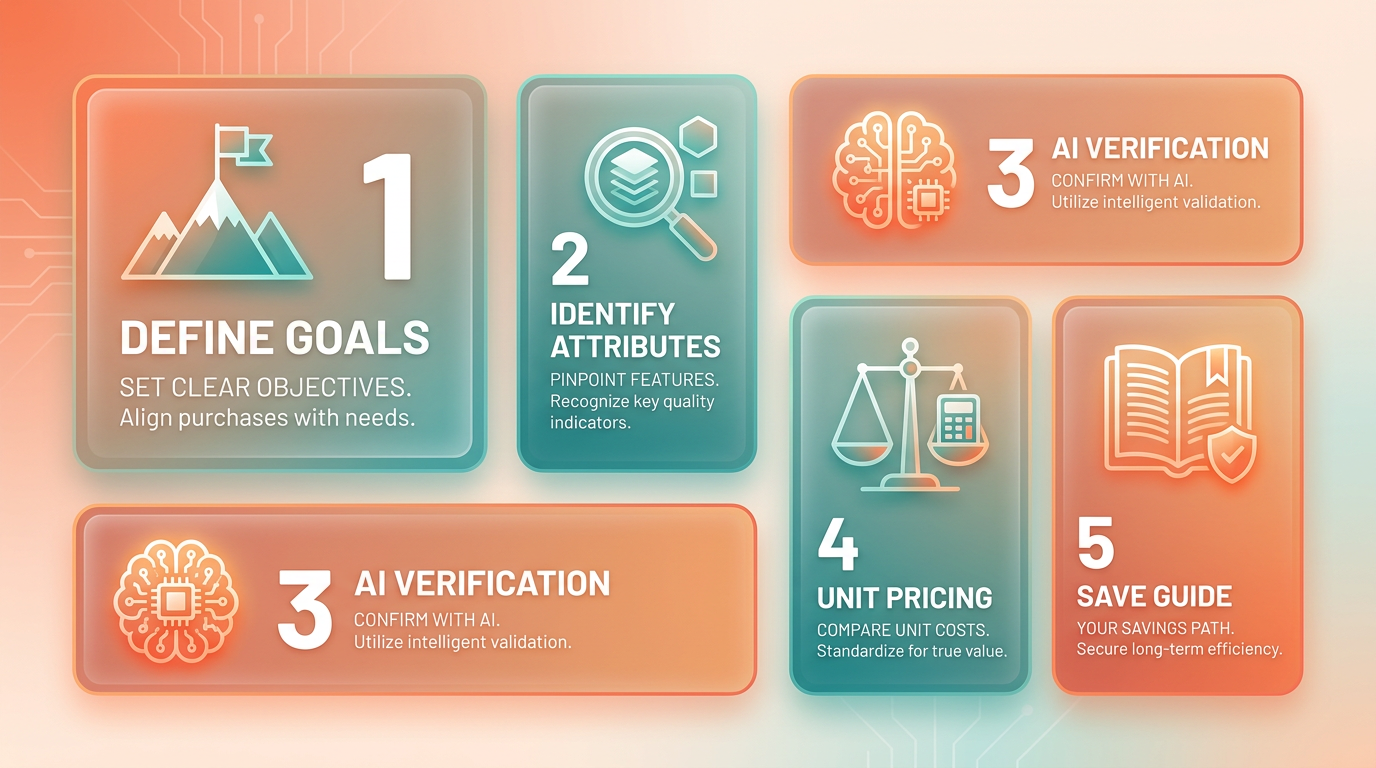
- [ ] List dietary restrictions (e.g., gluten-free, vegan, low-sodium) to avoid products that conflict with health goals.
- [ ] Define nutritional priorities (e.g., high-protein, low-GI, non-GMO) based on medical advice or lifestyle choices.
- [ ] Include trust markers such as third-party certifications (e.g., USDA Organic, Fair Trade) to filter out unreliable claims (https://example.com/product-attributes-management).
Building on concepts from the Ingredient Transparency and Clean Labeling section, these certifications help shoppers verify claims that might otherwise be ambiguous..
What Online Tools Can Help Build Your Checklist?
Researching product attributes manually is time-consuming, but AI-powered platforms like Popgot automate this process. These tools aggregate data from packaging, certifications, and consumer reports to highlight relevant attributes. For instance, Popgot uses machine learning to filter products based on criteria like "no artificial preservatives" or "carbon-neutral packaging," saving shoppers from sifting through misleading labels (https://example.com/personalized-assistant).
- [ ] Use AI-driven platforms to scan barcodes and instantly retrieve nutritional data, allergen warnings, and sustainability scores.
- [ ] Filter by extrinsic cues such as packaging color (white-blue schemes signal healthiness) and organic logos, which studies show increase perceived credibility (https://example.com/health-attributes-study).
- [ ] Cross-reference with databases like the Better For™ initiative to verify claims about clean ingredients and ethical sourcing (https://example.com/better-for-trends)..
How to Apply the Checklist for Specific Health Goals?
Different health objectives require distinct attribute priorities. For example, someone managing diabetes might focus on "no added sugar" and "low glycemic index," while a sustainability-driven shopper could prioritize "eco-friendly packaging" or "locally sourced ingredients." Research shows domestic origin labels increase perceived healthiness by 83%, making this a valuable check for conscious consumers (https://example.com/health-attributes-study).
Example: Low-Sugar Diet Checklist
- [ ] Check for "no added sugar" claims (1.7x more likely to be perceived as healthy) (https://example.com/health-attributes-study).
- [ ] Avoid artificial sweeteners by scanning ingredient lists for aspartame or sucralose.
- [ ] Verify carb content using the %DV (20%+ is considered high) (https://example.com/grocery-shopping-guide).
As outlined in the Nutritional Attributes for Health-Conscious Consumers section, understanding macronutrient thresholds like %DV is essential for meeting dietary targets.
Example: Organic and Plant-Based Checklist
- [ ] Look for "organic" certifications (2.76x credibility boost) (https://example.com/health-attributes-study).
- [ ] Ensure "plant-based" labels are backed by third-party verification to avoid greenwashing.
- [ ] Prioritize "fair trade" and "non-GMO" to align with ethical and health standards (https://example.com/better-for-trends)..
How to Maintain and Update Your Checklist?
Product attributes evolve as brands reformulate items or introduce new claims. Regularly updating your checklist ensures it remains effective. For example, 76% of consumers now demand transparent product information, meaning outdated checklists might miss critical updates (https://example.com/better-for-trends).
- [ ] Review your checklist quarterly to incorporate new dietary guidelines or emerging product trends.
- [ ] Audit brand claims using third-party data providers, as 69% of shoppers distrust food brand assertions (https://example.com/product-attributes-management).
- [ ] Sync with AI tools like Popgot, which automatically flags new certifications or recalls, reducing manual effort (https://example.com/personalized-assistant)..
Why AI Shop with AI that reads every label for you providers Like Popgot Matter
AI-powered tools address the complexity of modern grocery shopping by combining personalized preferences with real-time data. Unlike generic providers, Popgot uses algorithms to prioritize attributes based on your health profile, such as highlighting "low-sodium" options for hypertension patients or "vegan" products for plant-based diets. This reduces reliance on self-reported brand data, which is prone to bias (https://example.com/product-attributes-management).
By integrating these tools into your routine, you transform a static checklist into a dynamic system that adapts to your evolving needs and the latest market insights.
Conclusion and Next Steps
Health-conscious shopping requires intentional decision-making, but the right strategies can simplify the process. By understanding key product attributes and using available tools, shoppers can align purchases with their wellness goals. Below is a structured approach to reinforce these practices and continue building confidence in health-focused purchasing.
What Should You Prioritize in Your Product Checklist?
A well-designed checklist ensures you focus on attributes that directly impact health outcomes. Start by verifying ingredient transparency, as 76% of shoppers now demand clear product information (https://nielseniq.com/global/en/insights/analysis/2024/state-of-better-for/). As mentioned in the Ingredient Transparency and Clean Labeling section, this step is critical for avoiding hidden additives. Next, check for certifications like USDA Organic or Non-GMO Project Verified, which signal rigorous standards. Finally, assess nutritional value using metrics like sodium content or added sugars, aligning with the 87% of consumers who prioritize nutrition labels (https://example.com/study).
- Use a checklist to prioritize clean ingredients and avoid artificial additives
- Cross-reference product claims with third-party certifications
- Compare nutritional data across brands using standardized metrics
How Can You Streamline Your Shopping Experience?
Digital tools and personalized systems can reduce decision fatigue. For example, online platforms that filter products by health attributes (e.g., low sodium, gluten-free) save time and reduce errors (https://example.com/study). Building on concepts from the Implementing a Product Attributes Checklist section, tools like nutritional calculators help quantify the health impact of your cart (https://example.com/study). Implement these steps:
- Set preferences for dietary needs in grocery apps (e.g., "low sugar" or "vegan" filters)
- Save reusable shopping lists for common health goals
- Use browser extensions to flag products with hidden allergens or additives
Where Can You Deepen Your Knowledge?
Staying informed about labeling trends and scientific updates strengthens your ability to make informed choices. The wellness market evolves rapidly-61% of shoppers now link environmental health to personal well-being (https://nielseniq.com/global/en/insights/analysis/2024/state-of-better-for/). For foundational insights, refer to the Why Product Attributes Matter section, which explores the growing importance of health-focused shopping. Explore resources like:
- Product Attributes: Examples and Best Practices for Ecommerce for understanding how brands categorize health claims
- Guide to Managing Product Attributes in ecommerce to decode technical specifications
- A Guide for Grocery Shopping for practical tips on reading labels
Why Ongoing Advocacy Matters
Health-conscious shoppers aren’t just consumers-they’re catalysts for industry change. By demanding transparent labeling and ethical sourcing, you contribute to broader market shifts. As highlighted in the Why Product Attributes Matter section, the rise of Better For™ products (emphasizing clean ingredients and sustainability) has pushed brands to innovate (https://nielseniq.com/global/en/insights/analysis/2024/state-of-better-for/). Consider these actions:
- Share feedback with retailers about unclear packaging
- Support brands that publish detailed sourcing information
- Advocate for stricter regulations on health claims
Final Thoughts
Empowered shopping starts with small, consistent steps. Whether you’re refining your checklist, using digital tools, or engaging with industry trends, each action builds toward healthier choices. Remember, 74% of shoppers have already adjusted their diets for health reasons (https://example.com/study)-you’re part of a growing movement. Stay curious, stay informed, and let your purchasing power drive positive change.
References
[1] What can grocery basket data tell us about health consciousness? - https://www.sciencedirect.com/science/article/abs/pii/S0167811608000621
[2] I Believe It Is Healthy—Impact of Extrinsic Product Attributes in ... - https://pmc.ncbi.nlm.nih.gov/articles/PMC8570330/
[3] The State of Wellness and Better For™ Products - NIQ - https://nielseniq.com/global/en/insights/analysis/2024/state-of-better-for/
[4] Effectively Managing Food Product Attributes - GreenChoice - https://about.greenchoicenow.com/resources/guide-effectively-managing-food-product-attributes
[5] Do Shoppers Care About Product Attributes and Ingredients? - https://www.afstores.com/do-shoppers-care-about-product-attributes-and-ingredients/
[6] Younger, health-conscious consumers are embracing organic, OTA ... - https://ota.com/about-ota/press-releases/younger-health-conscious-consumers-are-embracing-organic-ota-survey-shows
[7] Personalized Assistant for Health-Conscious Grocery Shoppers - https://www.researchgate.net/publication/314711054_Personalized_Assistant_for_Health-Conscious_Grocery_Shoppers
[8] How to reach health-conscious shoppers online? Offer personalized ... - https://www.grocerydive.com/news/how-to-reach-health-conscious-shoppers-online-offer-personalized-tools-st/603881/
[9] Keeping it Simple: A Guide for Grocery Shopping - Duke Recreation - https://recreation.duke.edu/story/keeping-it-simple-guide-grocery-shopping/
Frequently Asked Questions
1. What is the most important factor for health-conscious shoppers when evaluating products?
Prioritize nutrition, as 87% of consumers consider it the key factor in grocery shopping. Focus on macronutrient balance, added sugars, and label transparency to align with health goals.
2. How should health-conscious shoppers assess macronutrient ratios in snacks?
Check the protein-to-carb ratio, aiming for at least 10g of protein per serving to support balanced nutrition and muscle maintenance while limiting refined carbohydrates.
3. Why is label transparency critical for health-conscious consumers?
Transparent labels help avoid hidden ingredients and misleading claims, ensuring products meet dietary needs and reducing the risk of adverse health effects from unlisted additives.
4. What is the recommended limit for added sugars in health-focused products?
Avoid products with more than 5g of added sugar per serving to prevent blood sugar spikes and support better metabolic health, especially for those managing diabetes.
5. How can shoppers identify unhealthy refined carbs in food labels?
Look for ingredients like high-fructose corn syrup, white flour, or sucrose. Opt for whole grains and complex carbohydrates to maintain stable energy levels and digestive health.
6. What role do dietary restrictions play in product evaluation?
Evaluate labels for allergens and certifications (e.g., gluten-free, vegan) to ensure products meet specific dietary needs and avoid unintended health risks from hidden triggers.
7. How does protein content impact snack choices for health goals?
Prioritize snacks with 10g+ protein per serving to enhance satiety and muscle repair, while balancing with healthy fats and minimal refined carbs for sustained energy.