
Product Search for Keto Snacks: Get the Best Unit Prices Instantly

Key Takeaways
- Compare cost per ounce, not sticker price. That single habit is where the real savings hide on snacks you rebuy every week.
- Keto snacks come in wildly different bag sizes and net-carb counts, which makes side-by-side unit pricing the only honest way to judge value.
- A search tool that shows unit prices together kills the mental math and the guesswork.
- Scattered pricing forces you to bounce between grocers and marketplaces, burning real hours to compare a full week of snacks.
- A $6 snack mix versus a bulk two-bag pack often hides which one actually costs less per serving.
- "Keto" on the front of a bag can still hide sugar alcohols or carbs that knock you out of ketosis, so the label numbers have to be honest.
- If you eat keto daily or manage a strict carb limit, instant price comparison protects both your macros and your budget.
Why unit price is the only number that matters
Finding keto-friendly snacks at the best price starts with one habit: compare cost per ounce, not the number on the tag. Do that and you spot the real deals fast. It's a small shift that saves keto shoppers money on the purchases they repeat every single week.
The problem is that keto snacks come in wildly different bag sizes, net-carb counts, and price points. A good product-search tool cuts through that so you see unit prices side by side, no math required.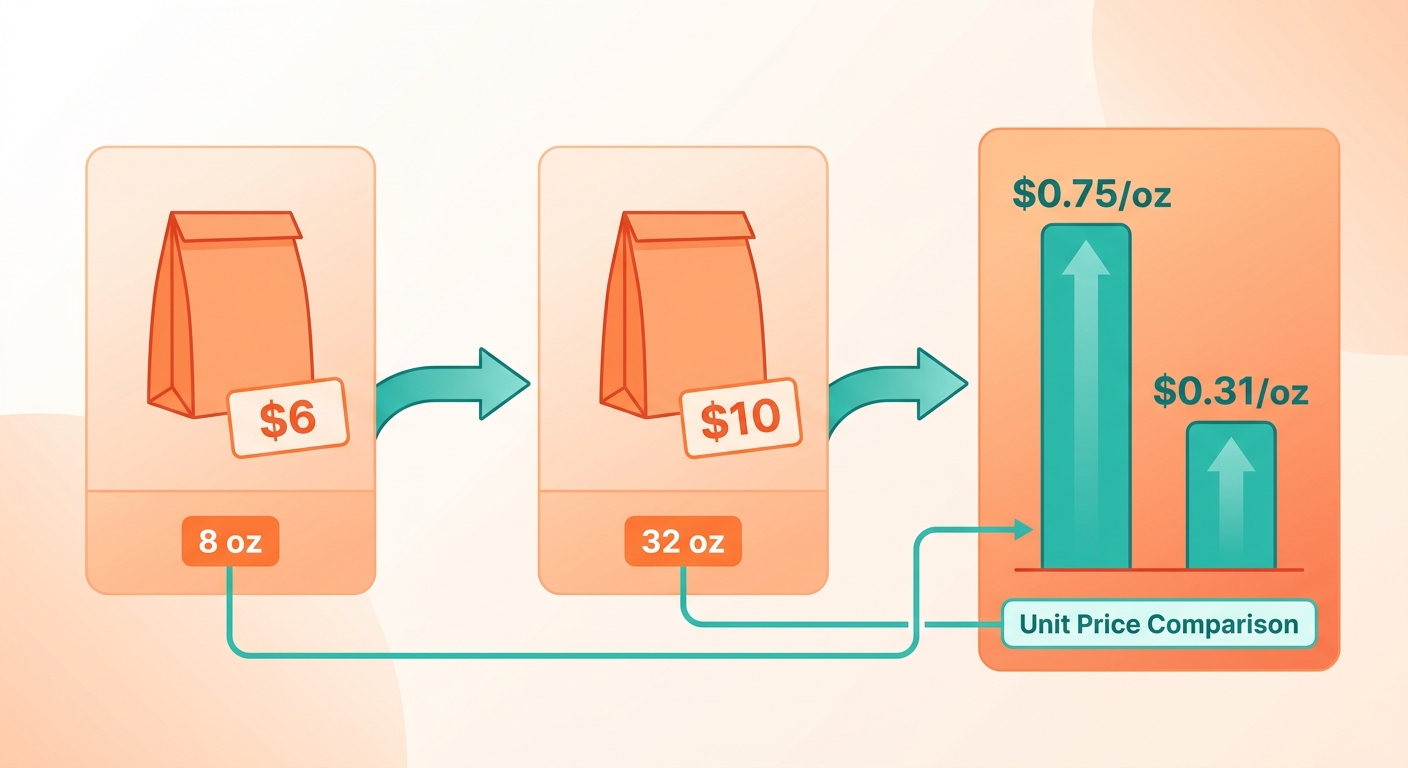
Why keto snack shopping is so annoying
Two headaches: scattered pricing and unreliable labels. You bounce between stores comparing a $6 snack mix against a bulk two-bag pack, unsure which actually costs less per serving. Then you read a label and question whether the net carbs are even accurate.
Price comparison eats time. You check a grocery store's keto delivery collection, then hop to a marketplace listing for a keto snack mix two-bag pack, then start over. Do that by hand for a full week of snacks and you've burned real hours.
Label accuracy matters just as much. A snack that reads "keto" up front can hide sugar alcohols or carbs that push you out of ketosis. Your macros only work when the numbers are honest.
Who actually benefits from instant comparison
Health-conscious shoppers and people with dietary restrictions get the biggest payoff. Eat keto every day and small per-unit savings stack up across the month. Manage a strict carb limit and fast label checks protect your progress.
Bulk buyers win too. Comparing a single bag against a multi-pack tells you when stocking up actually pays. Want a head start on what to keep on hand? A keto shopping list helps you plan before you compare prices.
Fast, accurate search turns keto snacking from a chore into a quick decision. You spend less, trust your labels, and stay on plan.
How to read a keto snack label
Reading a keto label starts with one number: net carbs. Subtract fiber and sugar alcohols from total carbs. That figure, not the front-of-bag macros, tells you whether a snack fits your daily limit. Build this check into every search so you never guess at a bag's real carb load.
Scan in order. Serving size first, then net carbs per serving, then the fat and protein split. A snack that lists low carbs per serving can still wreck your day if the bag holds four servings and you eat all four.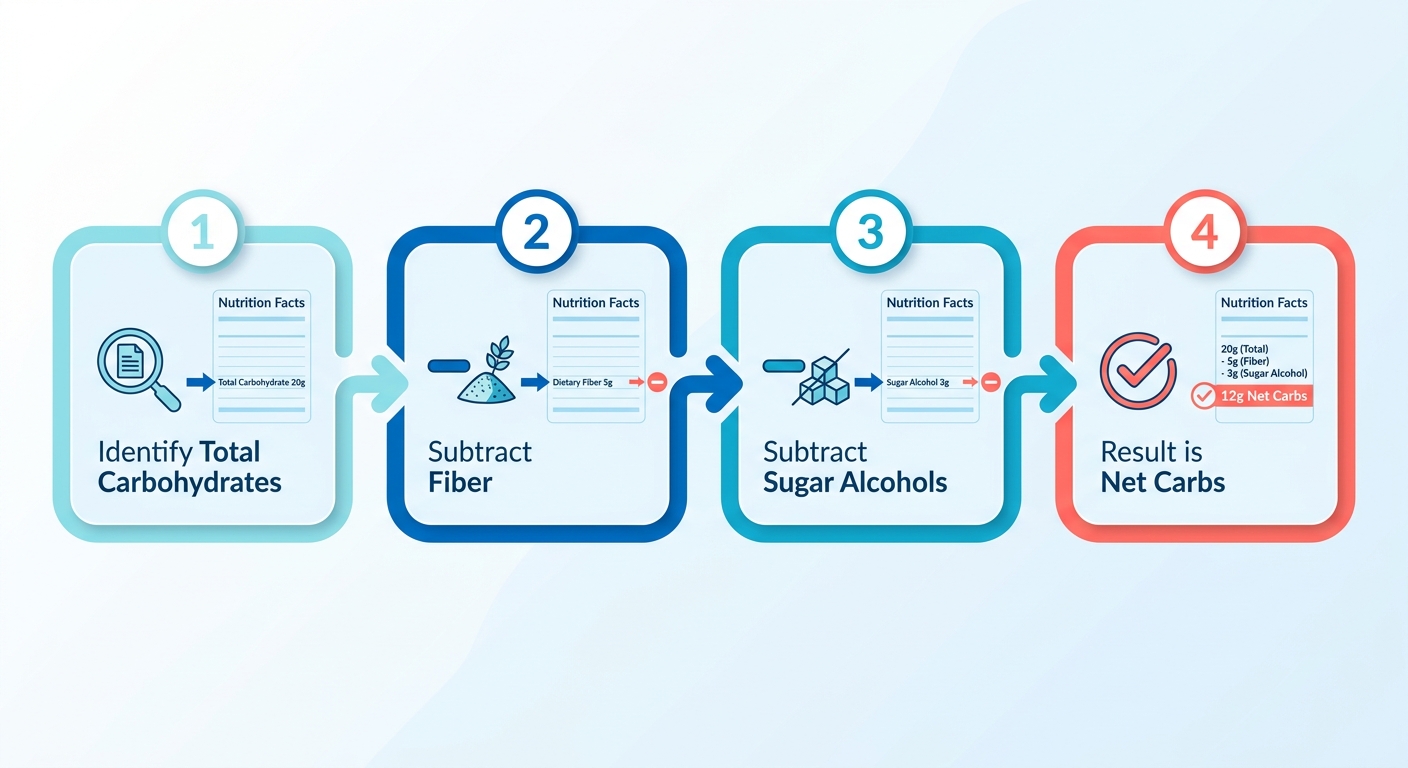
Calculating net carbs without fooling yourself
Net carbs: total carbohydrates minus fiber and sugar alcohols, per serving. Most keto plans cap you around 20 to 50 grams of net carbs a day, so a 3-gram snack leaves plenty of room. Always multiply by the number of servings you actually eat, not the single-serving figure printed up top.
Fiber and sugar alcohols pass through with little blood-sugar impact, which is why you subtract them. Watch maltitol, though. It hits harder than erythritol and can nudge your glucose up.
The nutrients that mark a real keto snack
The best keto snacks lean on healthy fats and clean protein, with carbs kept low. Whole-food fat beats processed filler every time. Check the ingredient list, not just the macro panel.
Take the two-bag keto snack mix on Amazon. Pecans, hazelnuts, Brazil nuts, macadamia nuts, and cheese bites across 24 ounces in a resealable pouch. Those are exactly the fat-forward, low-carb ingredients you want to see.
Macadamias and pecans deliver dense fat with minimal net carbs. Cheese bites add protein without sugar. When a label pairs recognizable whole ingredients with a low net-carb count, you've got a snack worth buying.
Comparing unit prices across retailers
One rule: compare cost per ounce, not the price on the tag. That number tells you which keto snack actually costs less, and a good search surfaces it instantly across every store you check. Sticker prices lie because bag sizes never match.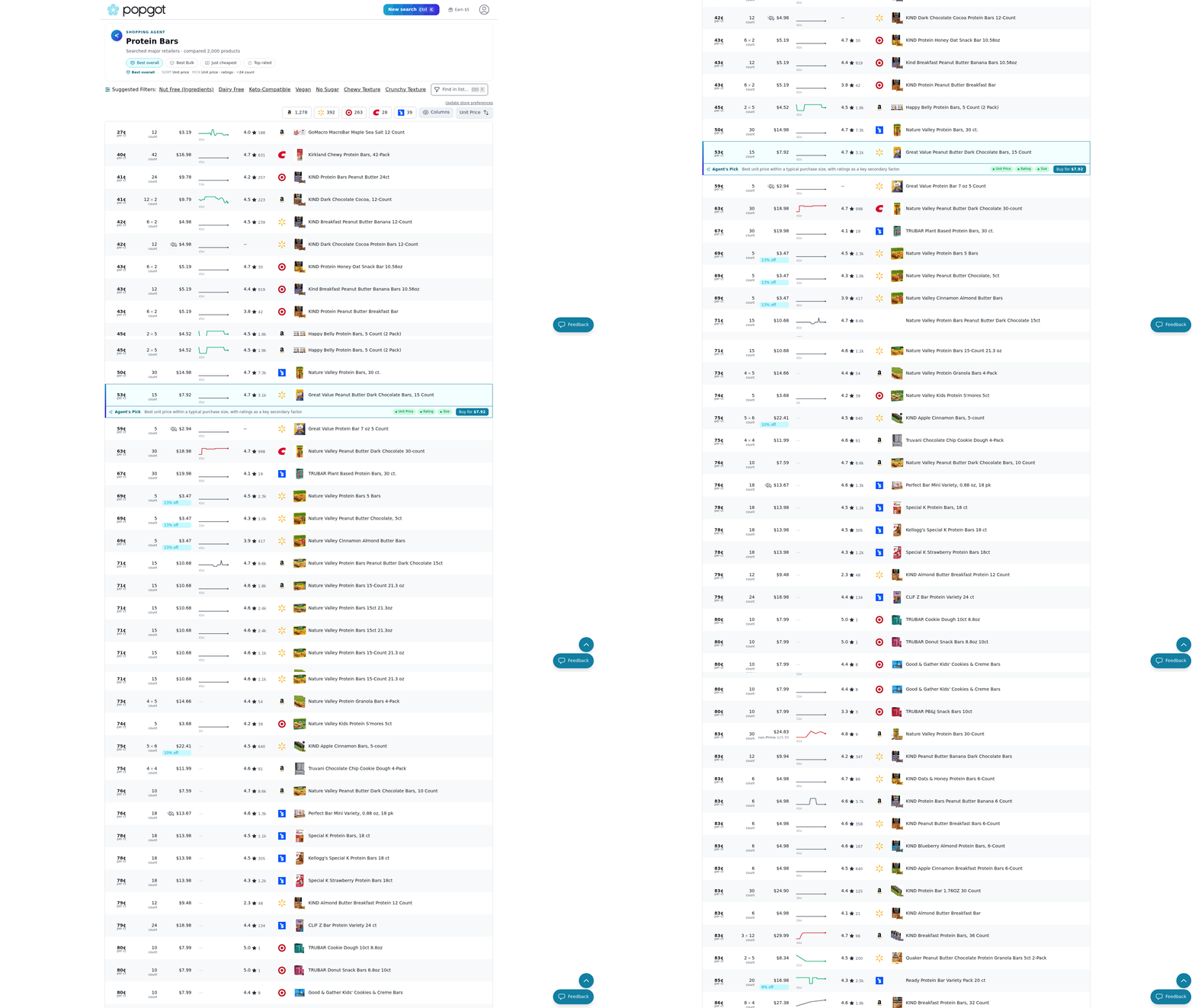
Run the same search across major grocers and the gaps get obvious. A cheddar-style snack mix runs $6.99 at one retailer, while a comparable item was recently marked down to $3.99 from $5.79 in this keto delivery collection. Same category, wildly different value per ounce.
Doing the per-ounce math right
Unit price: total package price divided by total ounces (or servings). Divide price by net weight and you get a clean per-ounce figure you can line up against any other bag, any store, any pack size.
The trick is normalizing units first. A bulk package like the multi-nut keto snack mix has to be judged by its total combined weight, not its bag count. Otherwise a larger option looks more expensive upfront when it actually charges far less per ounce.
Convert everything to the same unit before you judge. Grams to grams. Ounces to ounces. Skip that step and your comparison is worthless.
What unit prices look like across stores
Here's an illustrative comparison using the real products above. The per-ounce column decides the winner, not the shelf price.
| Product | Retailer Type | Package Size | Price | Unit Price (per oz) |
|---|---|---|---|---|
| Cheddar keto snack mix | Grocery delivery | 5 oz | $6.99 | ~$1.40 |
| Discounted keto snack | Grocery delivery | 5 oz | $3.99 | ~$0.80 |
| Multi-nut keto snack mix (2 bags) | Online marketplace | 24 oz | (varies) | compare per oz |
The discounted item nearly halves the per-ounce cost of the full-price mix. That's a 43% swing on the same shelf. You'd never catch it eyeballing sticker prices.
The bulk two-bag pouch changes the math again. A 24-ounce resealable pouch spreads its cost across far more servings, which usually drops the per-ounce price below single-bag options. Larger formats reward you when the snack actually stores well.
How fast can you find the best price?
Seconds, if the numbers are pre-calculated for you. A tool that shows unit pricing side by side removes the manual division. You scan one column and pick the cheapest per ounce.
The right platform does two jobs at once. It verifies ingredients and net-carb compliance so the snack actually fits keto, and it displays accurate unit pricing so you never overpay. Shoppers using this approach report savings up to 30% on repeat keto purchases.
Build the habit into every trip. Sort by cost per ounce, confirm the carb count, then buy.
Setting filters for instant unit prices
Getting an instant unit price starts with tightening your filters before you scroll. Set the snack category, then sort by cost per ounce. That one setting turns a messy search into a clean ranked list with the cheapest keto option per ounce sitting right at the top.
Filters do the heavy lifting. Narrow by bag size, net carbs, and price range so you compare like with like. Set up that way, a two-bag pack and a single pouch line up on the same per-ounce scale instead of tricking you with different sticker totals.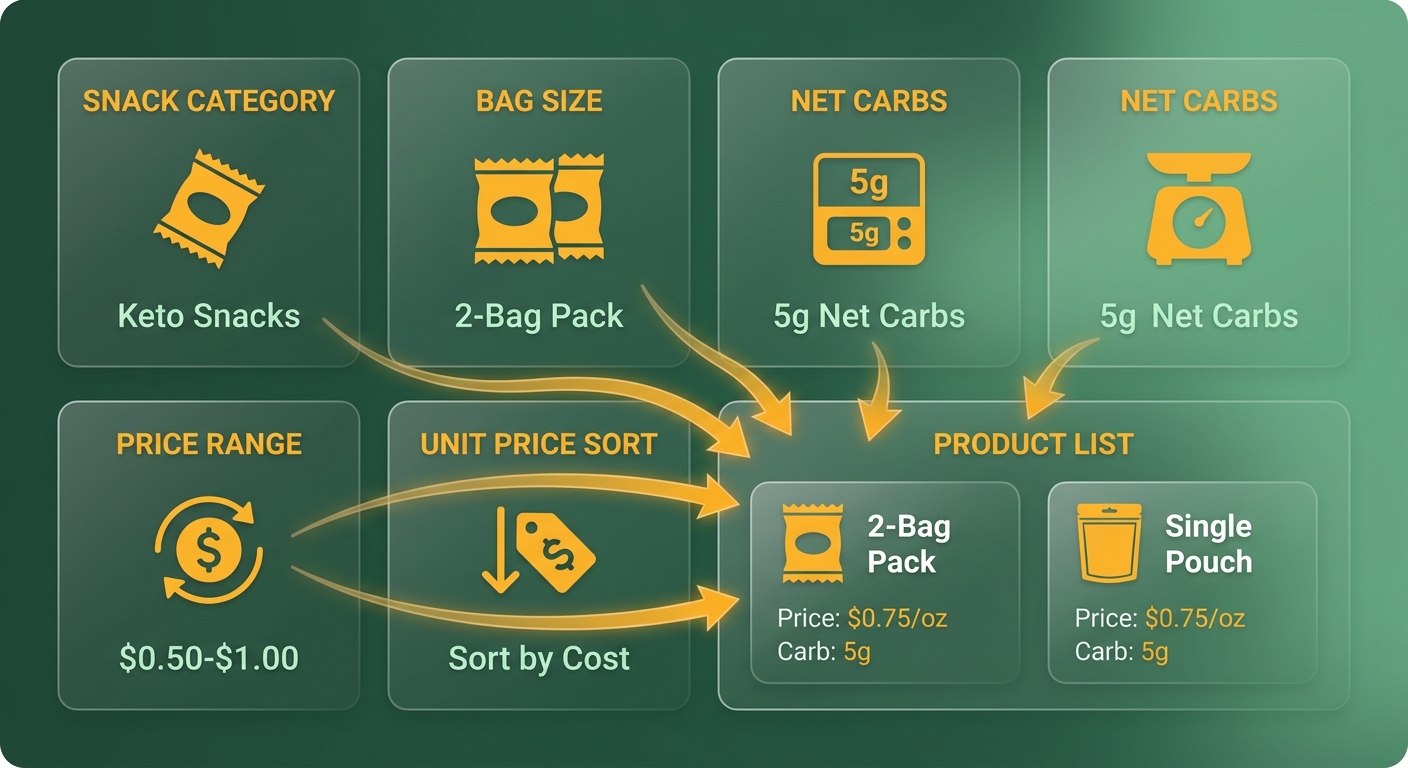
Which three filters to set first
Instant unit price retrieval: pulling the cost-per-ounce figure for every matching product the moment your filters apply. Set three filters: category, net carbs, and pack size. The results reorder so the best value per ounce leads before you read a single label.
Start with pack size, because it distorts value the most. A variety pack sold as a 12-count of individual bags looks cheap on the shelf tag until you divide by combined weight. Filter for total ounces and the per-ounce math happens for you instead of a per-bag figure that hides the real rate.
Layer net carbs on top. You already know to subtract fiber and sugar alcohols, so set a ceiling that fits your daily cap. Now every result is both keto-safe and ranked by real cost.
What to compare across retailers
Lock your filters, then swap the retailer. The per-ounce figure updates instantly, so a markdown at one grocer jumps out against full price at another. This is where instant retrieval saves the most money and time.
Watch for temporary price cuts. A club-store bulk tub might post a lower per-ounce rate than a single pouch at a convenience grocer, even when the tub's total price looks steep. The per-ounce winner flips the second a discount posts.
Keep a short list of repeat snacks and check their unit prices weekly. Prices on keto items move often, so last week's best value may not hold. Instant retrieval makes that weekly recheck take seconds instead of a spreadsheet session.
Three habits that keep it fast
- Save your filter sets. Lock in category, pack size, and net-carb ceiling once. Reload them every visit and jump straight to ranked per-ounce results.
- Divide by total weight, not serving size. A multi-bag pack is one price divided by its full combined ounces, never by a single serving. Total weight keeps bulk deals honest.
- Recheck flagged deals before buying. A weekend-promo price may revert by Monday. Confirm the current figure at checkout so the deal you spotted is the deal you pay.
Map out your essential low-carb items using a keto shopping list as a guide, then run each one through your saved filters in a single pass. No store-hopping required.
Searching multiple retailers at once
Running one search across several retailers beats checking each store by hand. A multi-retailer search pulls matching keto snacks from every connected grocer into a single ranked list. You compare across stores in seconds, not minutes.
The Food Marketing Institute has long tracked how shoppers weigh price against convenience when they buy groceries. That trade-off is exactly what a cross-store search solves. You get the low unit price without bouncing between five browser tabs.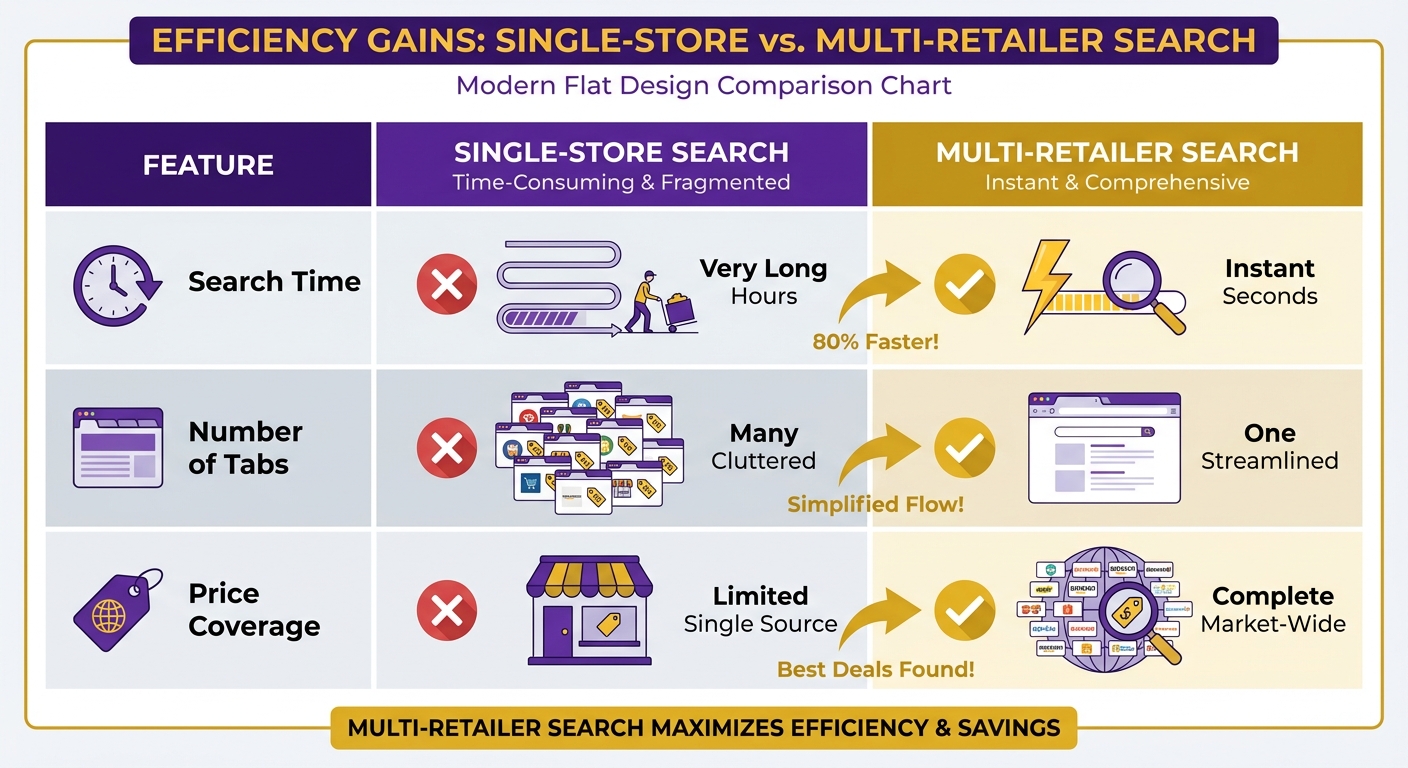
Filtering by price and brand
Multi-retailer filtering: narrowing results by price range and brand so only the keto snacks you want appear. Set your price ceiling first, then pick the brands you trust. The tool trims the list to matches that fit both rules.
Start with price. Cap your search at $8 per bag for pork rind snacks, and one grocer might list a jalapeño variety just under that line while another carries the same style well above it. A price cap surfaces the affordable option instead of making you scroll past listings you'd never add to the cart.
Then layer on a brand filter. Some keto shoppers stick to nut-based mixes with clean labels. Filtering by brand keeps store-brand knockoffs out of view so you compare only what you actually eat.
Why bag size matters across stores
Bag-size comparison: matching pack sizes across retailers so unit prices line up fairly. A single pouch and a bulk pack look different on the sticker but land on the same per-ounce scale once you convert. That conversion is where the savings hide.
Two listings side by side: one store sells a single 4-ounce pouch of cheese crisps, another lists a bulk alternative that packs multiple bags together at a much lower rate per ounce once you break down price by weight.
The larger pack often wins on cost per ounce even when its sticker looks higher. A cross-store search does that math and flags the better value. You skip the calculator entirely.
How much time this actually saves
A multi-retailer search cuts your prep from several minutes per item to a few seconds. Checking three stores by hand means loading three sites, finding the same snack, and doing the unit-price math three times. One search collapses all of that into a single ranked screen.
That adds up fast for weekly keto buyers. Restock the same five snacks every week and manual comparison eats real minutes each trip. A single search hands you the best per-ounce pick before you finish reading the first label.
Using Popgot's AI verification for keto snacks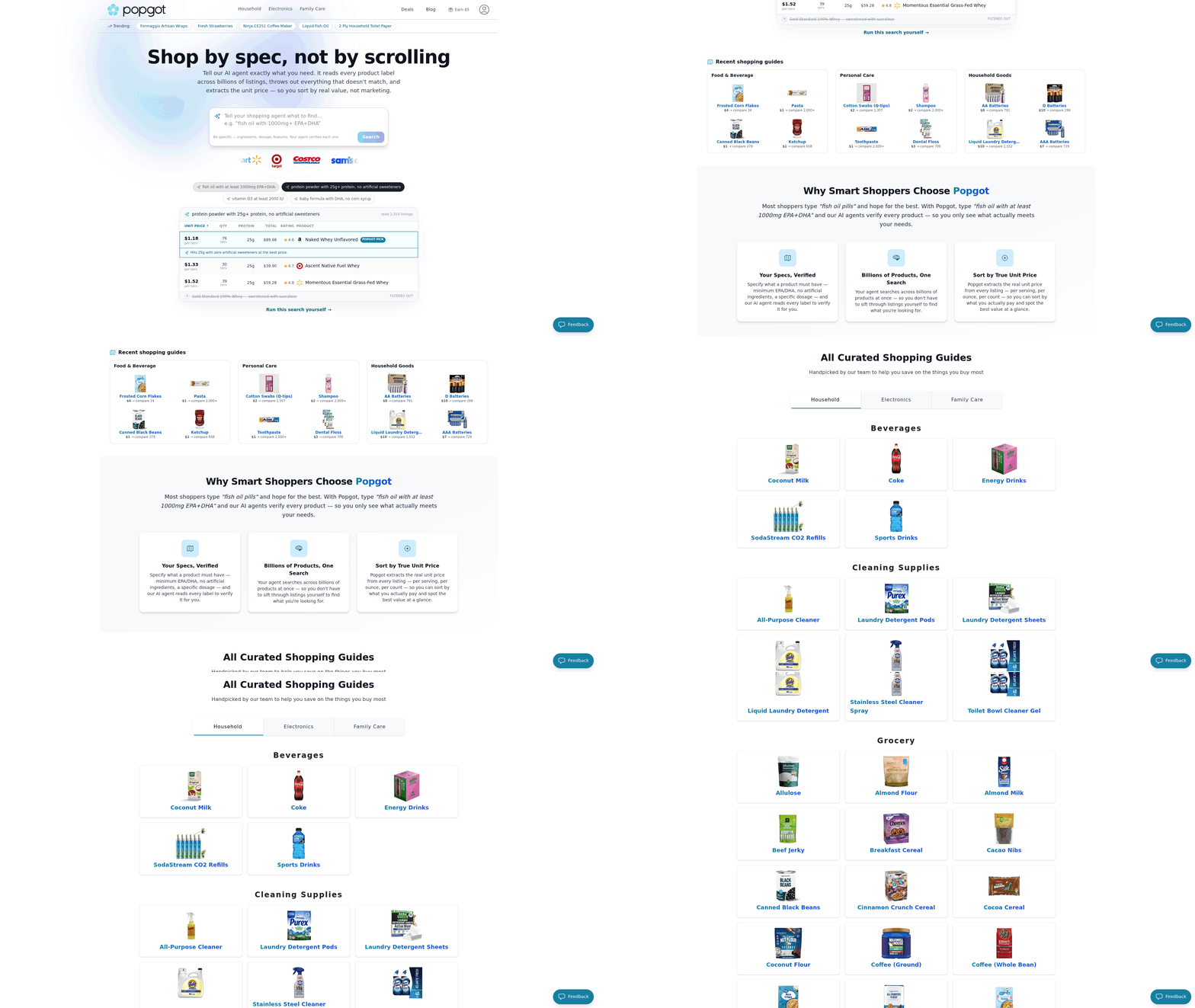
Our AI agent verifies keto snacks by reading the actual label, not the marketing copy. You tell it what you need. It checks every listing against your spec, then shows you only the snacks that pass. A vague search becomes a filtered shortlist you can trust.
The workflow: type your requirement in plain language, the way you'd tell a friend. The agent reads every product label across major grocers, throws out what doesn't match, and pulls the real unit price. Your results come back ranked by cost per serving, best value on top.
How to spec your requirements
Spec-based search: telling the agent your exact criteria so only matching products appear. Write something like "keto snack mix, no added sugar, under 4g net carbs per serving." The agent verifies each condition against the label before it shows you anything.
The precision carries over from how we handle supplements. Ask for "fish oil with at least 1000mg EPA+DHA" and we filter out a 1200mg bottle that only delivers 600mg EPA+DHA. Same label-reading logic checks net carbs, serving size, and ingredients on your keto snacks.
So a spec like "keto snack mix, no artificial sweeteners, under 4g net carbs" works like this: the agent reads the ingredient panel on each listing, confirms it fits, and extracts the real unit price. Per ounce, per serving, or per count. You compare fairly instead of guessing from package size.
Why check Amazon and Walmart together
We search eight major retailers at once, including Amazon, Walmart, and Target. One query hits all of them, so you skip the tab-hopping. You see the same verified keto snack priced across every store, sorted by true unit cost.
Skip verification for one-off impulse buys where price barely matters. But for the keto snacks you restock every week, spec-based checking saves you from paying more for a bag that never fit your macros in the first place.
References
[1] Keto Same-Day Delivery or Pickup - https://shop.luckysupermarkets.com/store/lucky-supermarkets/collections/rc-keto-sm-23?srsltid=AfmBOor5UC0_DWwCVQAJdpfMud5Ug8BZ_Keb-P8eL9tDrqoLbu7v1ANs
[2] Keto snack mix (2 bag ) - https://www.amazon.com/Keto-snack-mix-2-bags/dp/B0B9843QGX
Frequently Asked Questions
1. Are sugar alcohols like maltitol always safe on keto?
No, because different sugar alcohols have vastly different glycemic indexes. While erythritol and allulose have a glycemic index of zero and won't spike blood sugar, maltitol has a glycemic index of around 35, which can cause a significant insulin response. Always check the specific sweetener used on the ingredient list rather than assuming all sugar-free options are equal.
2. How many servings does a typical bulk keto snack pack contain?
Serving counts vary widely by product type and package size. For instance, a larger bulk bag of nuts or cheese crisps might contain 15 to 30 standard single-ounce servings. Checking the serving size on the nutrition facts panel is crucial, as bulk packaging often lowers the cost per individual serving compared to single-serve convenience packs.
3. Can I trust a product labeled "keto" without checking the ingredients?
No, because "keto" is not a strictly regulated labeling term. Manufacturers often use binders like maltodextrin, soluble corn fiber, or modified starches that can spike blood glucose despite a low net-carb claim. To protect your ketosis, ignore the front-of-pack marketing and audit the ingredient list for these hidden starches and high-glycemic fillers.
4. Does a lower sticker price always mean a better deal on keto snacks?
Not at all. A smaller bag might have a low shelf price but a very high cost per ounce. A 3-ounce bag of pork rinds priced at $4.50 costs $1.50 per ounce, whereas a larger 8-ounce bag of the same brand priced at $8.00 costs only $1.00 per ounce. Always divide the total price by the net weight to find the true value.
5. How does Popgot handle specific ingredient requirements beyond keto snacks?
The AI agent applies the same rigorous label-reading logic to any dietary or nutritional specification. If you search for an "electrolyte powder with at least 300mg of potassium and zero stevia," the agent scans the ingredient lists and nutrition panels across multiple retailers, filtering out products that use stevia or fall short on potassium. This ensures you get exactly what your diet requires.
6. How often should I recheck unit prices for snacks I buy weekly?
A quick weekly check is ideal because online grocery prices and promotional discounts fluctuate constantly. Retailers frequently update their digital storefronts with weekend sales or inventory clearances. By spending just a few moments reviewing your saved search filters before placing your weekly order, you can catch these price drops and avoid paying full price on recurring purchases.
7. What's the correct way to divide price for a multi-bag pack?
To calculate the true unit price of a multi-pack, divide the total cost by the combined net weight of all the individual packages. If you buy a box of ten 1.15-ounce nut butter squeeze packs for $15, the total weight is 11.5 ounces. Dividing $15 by 11.5 ounces gives you a unit price of $1.30 per ounce. This allows you to compare it directly against a standard 16-ounce jar.