
Rank Your Low-Carb List by Net Carbs Per Dollar

Key Takeaways
- Net carbs per dollar = (net carbs per serving × servings per package) ÷ price.
- A lower score means more of your money is buying food, not sugar.
- Whole, single-ingredient foods like eggs, canned tuna, and chicken thighs top the value rankings almost every time. Cheap, filling, nearly carb-free.
- The biggest savings come from format swaps: block cheese over pre-shredded, whole thighs over trimmed breast.
- Rank your list this way and you can trim a real chunk off a weekly keto bill.
- A "5g net carb" label means nothing until you check the serving size behind it.
- Portion size and hidden carbs are the two things that quietly wreck an otherwise strong score.
The short version
Ranking your low-carb grocery list by net carbs per dollar is the fastest way to see which staples actually earn their place in your cart. The idea is simple. Work out how many net carbs each dollar buys you, sort low to high, and the cheap-and-clean items float to the top. Keep the winners. Cut the filler.
The math is the same for any item. Net carbs per serving, times servings per package, divided by price. That's it.
Net carbs per dollar = (net carbs per serving × servings per package) ÷ price
Which staples give you the best value?
Whole, single-ingredient foods almost always win. Eggs, canned tuna, chicken thighs, whole-milk cheese, frozen spinach. They're cheap, they're filling, and they carry next to no carbs.
| Product | Why it ranks well |
|---|---|
| Eggs | Near-zero carbs, low cost per serving, high protein |
| Canned tuna | Shelf-stable, zero carbs, cheap per ounce |
| Chicken thighs | Low price per pound, no carbs, high satiety |
| Block cheese | Minimal carbs, cheaper than pre-shredded |
| Frozen spinach | Low-carb volume for pennies per serving |
The savings live in the format. Buy the block instead of the pre-shredded bag. Buy thighs instead of trimmed breast. Most people who rank their list this way cut their weekly bill just by swapping convenience packaging for the raw version.
Watch portion sizes and hidden carbs
Two things sink a good score. First, portion size. A "5g net carb" claim is meaningless until you see how big that serving is. Second, hidden carbs. Sauces, seasoned meats, and "low-carb" snacks stash starches and added sugars that don't match the front of the box.
Read the ingredient panel, not the marketing. That one habit protects your budget and your carb count at the same time.
Why net carbs per dollar beats price-per-pound
Sticker price lies to you on a low-carb diet. Scan shelves by cost per pound and you're measuring the wrong thing. A cheap bag of pasta looks like a steal until you count the carbs it dumps into your day. Ranking by net carbs per dollar closes that blind spot by tying price to the one number that matters here.
Price-per-ounce tells you how much food you're getting. Net carbs per dollar tells you how much usable food you're getting. For anyone eating low-carb those are completely different questions, and a smarter low-carb shopping list starts by asking the right one.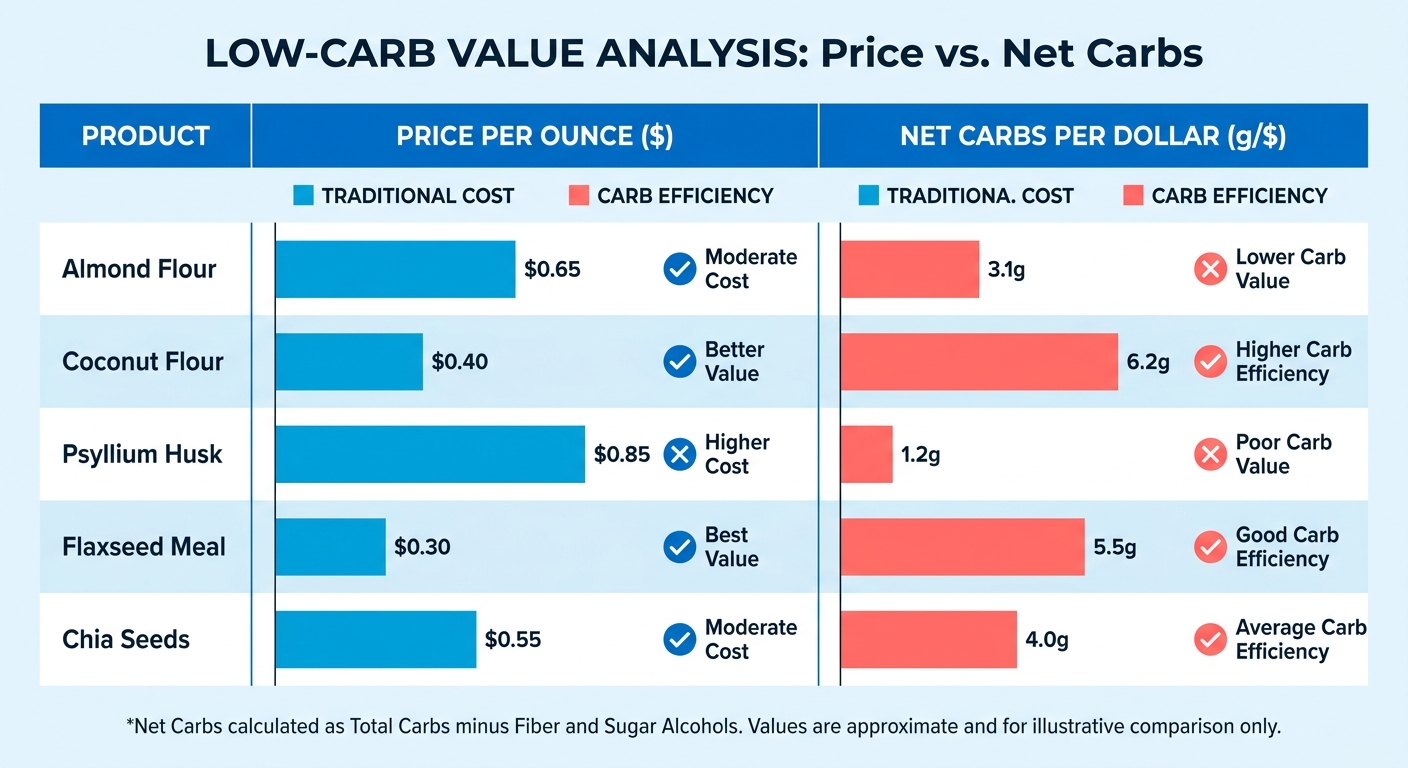
Why price-per-pound fails low-carb shoppers
Price-per-pound rewards cheap carbs. Rice, bread, and potatoes crush the metric because they're dense and inexpensive, and they also blow your daily carb budget in a single serving. You end up "saving money" on food you can't actually eat.
That's the trap in most budget guides. They rank by cost alone, so starchy fillers keep winning. Switch to net carbs per dollar and the list flips. Fatty cuts, eggs, and low-carb greens rise to the top because they cost little relative to the clean carbs they deliver. Over a week, that adds up. Every item earns its spot on both price and carb count, and you stop paying for products that sabotage the diet you're paying to follow.
What it looks like in practice
Compare a $4 loaf of low-carb bread against $4 of eggs. Per dollar, the eggs give you almost no net carbs and a pile of protein. The bread costs the same and eats a chunk of your carb budget. Run that across the whole cart and the pattern holds. The cheapest thing and the smartest thing are rarely the same product. Net carbs per dollar is how you tell them apart.
Building a list that doesn't wreck your budget
The rule is simple: buy whole foods that stretch across multiple meals. Plan around cheap proteins and staples you already know how to cook, and you spend less while wasting less.
Affordable meat and seafood do most of the work. Ground beef, ground chicken, pork chops, chicken thighs, and pork loin all deliver protein without the price of trendier cuts. These are the workhorses. They cook fast, freeze well, and pair with almost any vegetable.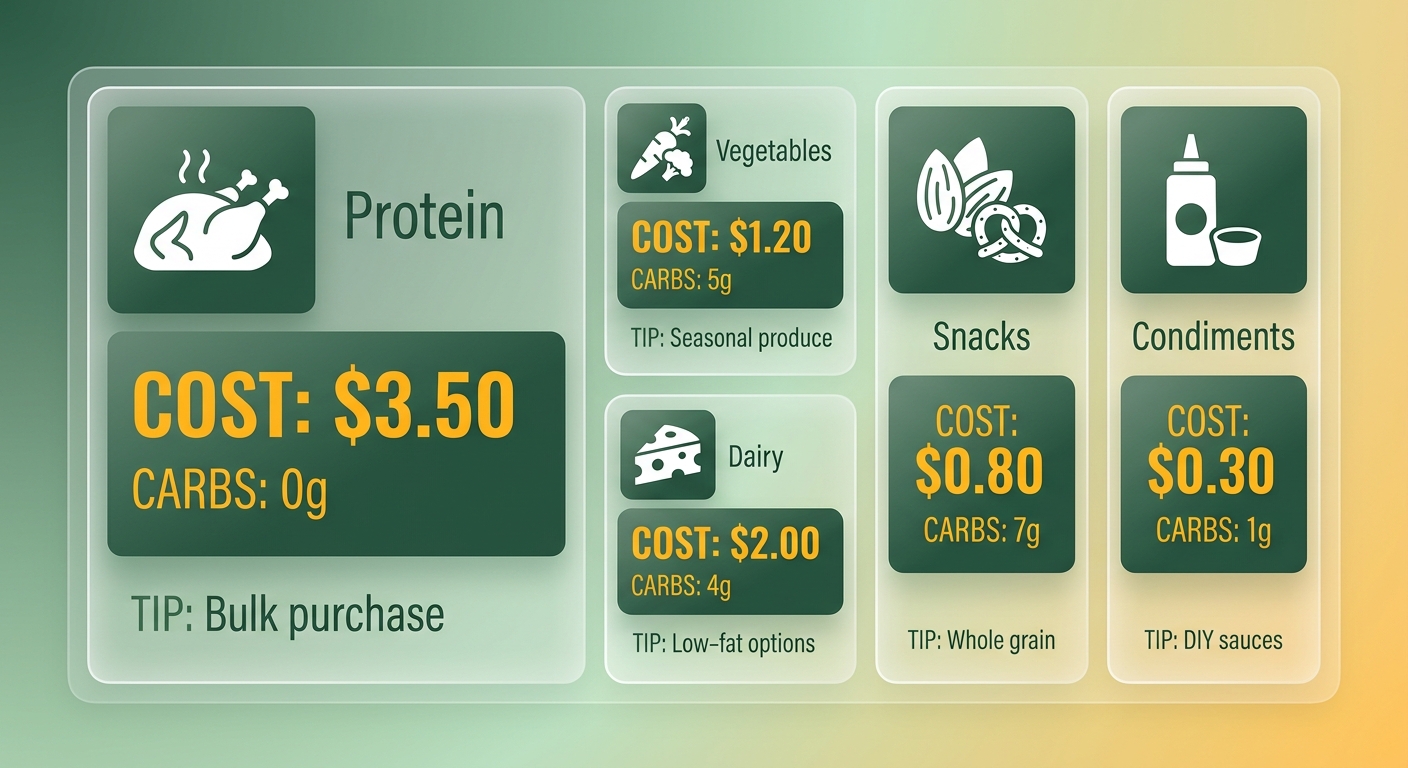
Proteins that stretch
Think about how far each protein goes. Bone-in chicken thighs cost less than boneless breasts and leave you bones for stock. Ground beef portions and freezes on day one, ready for quick skillet meals all week. A large pork loin roast slices into chops or slow-cooks into a week of lunches. Eggs cover any meal of the day. Lean on high-fat options like these and satiety stays high while the bill stays low.
Cutting cost without cutting quality
Buy in bulk and shop seasonal. Larger packs of ground meat drop the per-serving price, and you portion and freeze what you don't use right away. Seasonal vegetables cost less and taste better, so build sides around what's cheap this month.
Portion control pulls double duty. Weigh servings instead of eyeballing them and one bulk pack goes further while your carb count stays predictable. Round things out with smart low-carb food choices and both your budget and your macros stay in check.
How to actually run the numbers
Three numbers off any package: net carbs per serving, servings per container, and the price. Standardize those and you can compare products of any size on level ground.
Most shoppers grab the sticker price and stop. But two products at the same price can score wildly differently once you fold in serving size and carb count. That's where the math earns its keep.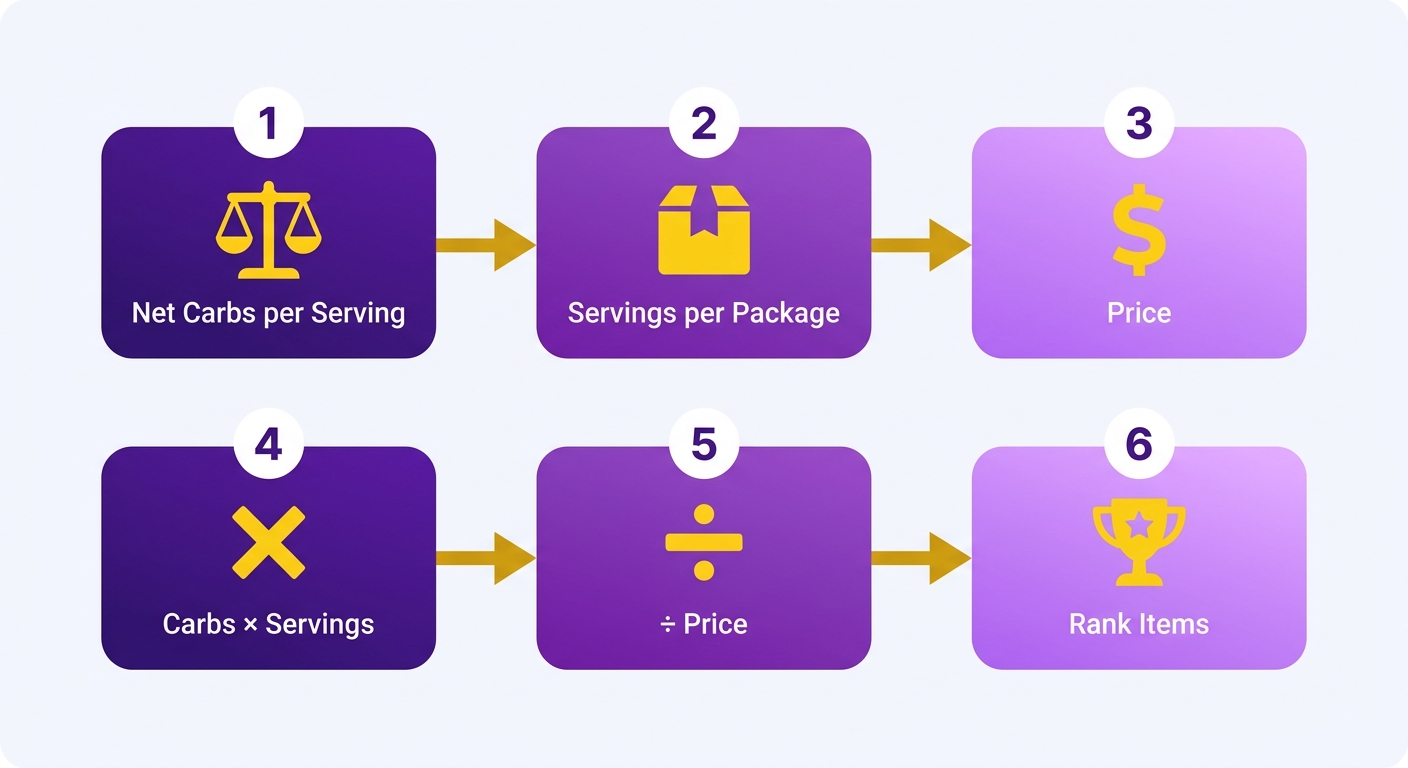
The calculation, step by step
Ignore the front of the box. Go to the nutrition facts panel.
-
Find the true net carbs per serving. Take total carbohydrate, subtract fiber. If there are sugar alcohols, subtract those too. That's your impact carbs.
-
Get the total for the package. Multiply net carbs per serving by servings per container. This is the real carb load you're carrying home.
-
Divide by price. Package net carbs divided by retail price gives you net carbs per dollar. Now you can rank.
A worked example
Compare a dozen eggs at $3.50 against a box of low-carb crackers at $4.00. The eggs carry roughly 6 net carbs for the whole carton, so they score efficiently. The crackers, low-carb branding and all, might carry 24 net carbs across the box, which makes them far worse per dollar.
The math also exposes a common trick: shrinking the serving size so a product looks lower in carbs than it is. Calculate value across the entire package and that sleight of hand falls apart. Double-check the serving-size line before you trust any label and you'll catch most bad calculations before they reach your list.
Where apps save you the mental math
Reading labels in the aisle is slow. Apps and online tools pull net-carb data, serving sizes, and prices into one place so your list does the math for you. You scan, sort, and shop instead of squinting at packaging.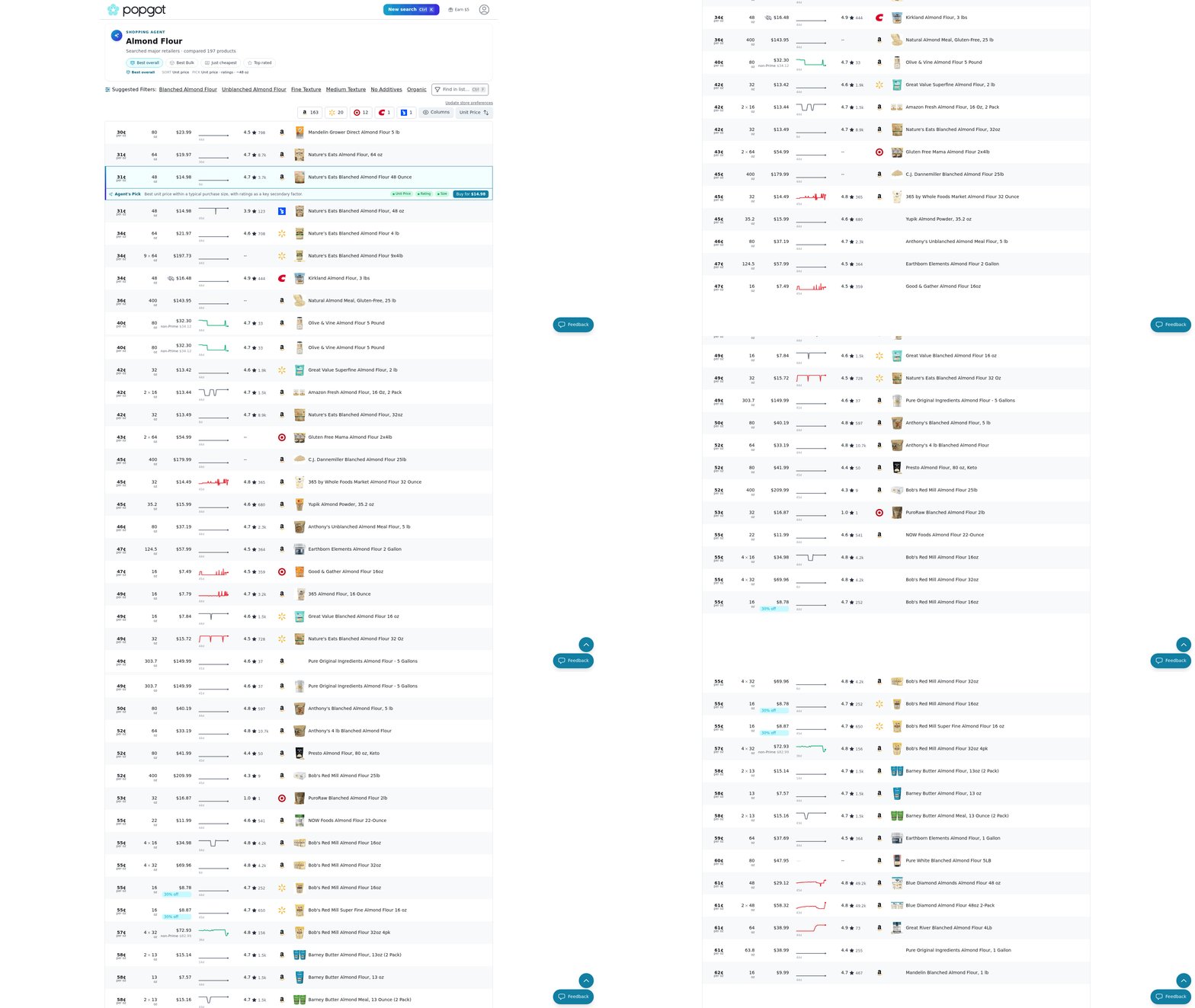
That matters most when you're ranking by net carbs per dollar. A good tool saves your calculations, flags hidden sugars, and puts two products side by side before you commit.
What a net-carb tool should actually do
Three jobs: read ingredient lists, calculate net carbs per serving, and rank products by value. That removes the guesswork that trips up anyone relying on front-of-package claims.
AI-driven platforms go a step further. Popgot, for one, reads product ingredients and nutrition automatically, then surfaces the lower-carb pick before you add anything to your cart. Set your net-carb ceiling once and it filters out the items that blow past it. Fewer surprises at home, and you stop discovering that a "keto-friendly" wrap carries more usable carbs than the plain eggs you skipped.
Why ingredient checks beat front-label claims
The full ingredient list is the only way to verify what you're paying for. Plenty of packaged items use clever labeling to hide starches and fillers.
Almond flour is a good test case. A digital tool can flag differences in processing and package size instantly. One brand might look cheaper on the shelf, but standardize the unit price per ounce alongside net carbs and a different option often wins. No manual math in the aisle, and you land on products that actually fit your goals. For deeper background on which staples fit, the guide on keto and low-carb healthy food choices pairs well with any tool you use.
Compare like with like: sorting into categories
Grouping your list into food categories is what makes cost comparison work. Compare a block of cheddar against another block of cheddar, not cheese against olive oil. That's how net carbs per dollar becomes a fair fight across every store you shop.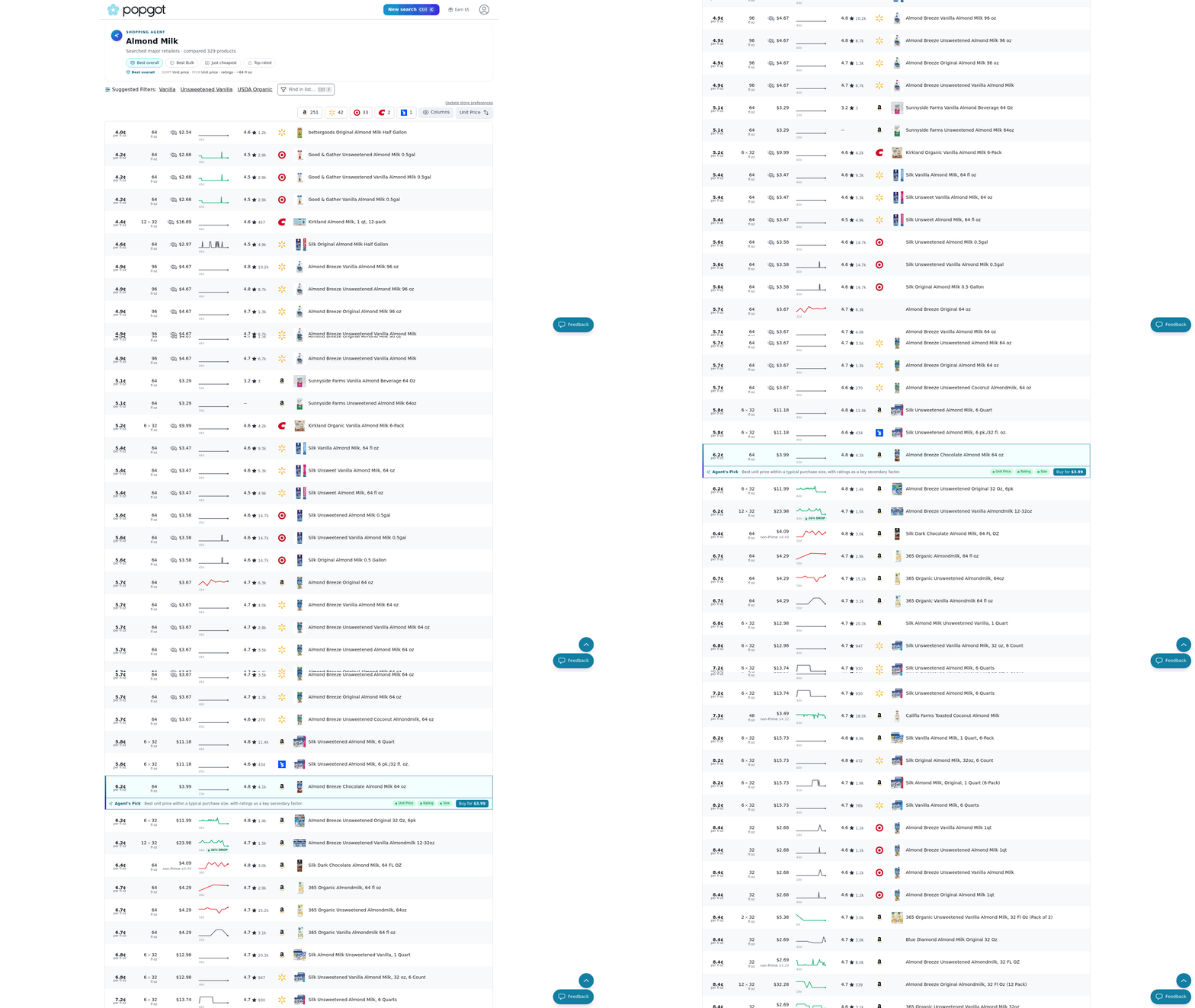
Most low-carb carts fall into five buckets: proteins, dairy, low-carb vegetables, fats and oils, and nuts and seeds. Each has its own price rhythm across retailers, so your list ranks differently depending on where you buy. Warehouse clubs crush it on bulk cheese and eggs. Discount grocers often win on leafy greens and frozen vegetables.
Which categories to compare first
Start with the high-volume categories where prices swing the most. Dairy and low-carb vegetables are strong first targets because their unit costs vary a lot between stores.
Take your weekly vegetables. A large bag of frozen spinach usually gives you far more usable, low-carb greens per dollar than fresh clamshells that spoil before you finish them. Comparison tools let you line those options up across local stores before you leave the house.
Catching hidden carbs before they wreck your score
Read the ingredient list, not just the front label. Added sugars hide under names like maltodextrin, dextrose, and cane juice, quietly inflating the carb count on products marketed as healthy.
Sauces, dressings, and flavored dairy are the worst offenders. Plain Greek yogurt scores clean. The vanilla version next to it can double the net carbs at the same price, tanking its value. Check the label first, then let the price comparison decide the winner.
Acting on the ranking at the shelf
The ranking only works if you act on it. Sort every item, move the lowest-scoring foods to the top of your cart, and let the high-scorers fall off. That single habit reshapes what you buy more than any coupon.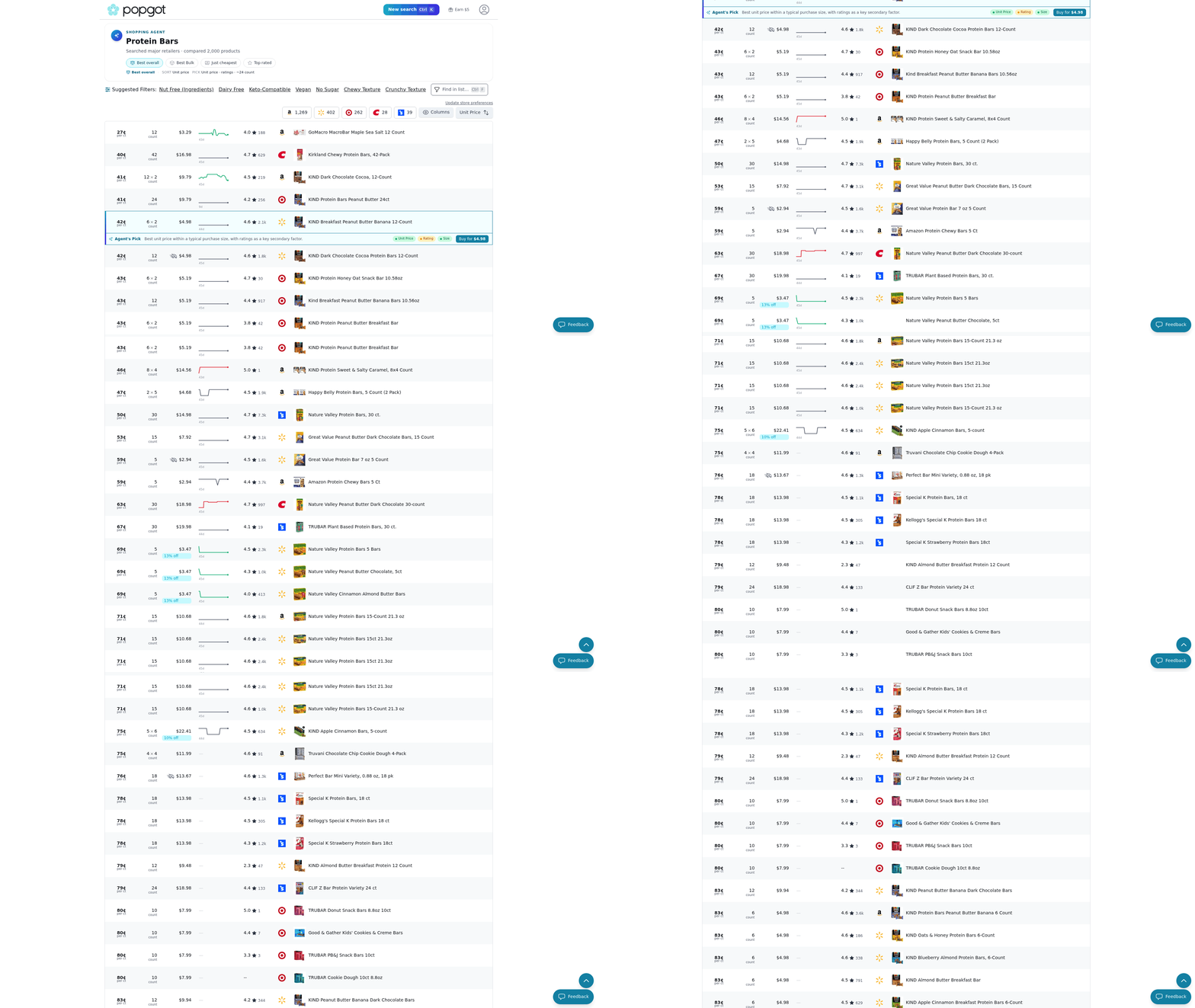
The practical version: when two items land at the same price, the one with fewer net carbs per dollar takes the spot. A list built this way rewards protein and fat without the carb tax.
How it plays out in a real cart
The ranking exposes the true cost of convenience foods. Items with a high price relative to their nutrition drop to the bottom on their own. Protein bars make this obvious. Compare brands on a net-carbs-per-dollar basis and you can spot which bars have a clean profile and which lean on expensive fillers. The number guides the choice, so your budget goes to high-value staples instead of overpriced alternatives.
That's the shift people describe once they start ranking. They stop defending marginal foods and start trusting the number. A budget keto approach runs on the same logic: whole, single-ingredient foods win because they're cheap, filling, and low-carb all at once.
Why ingredients still beat the score alone
The ranking is a filter, not the verdict. A processed product can post a low net-carb number and still hide seed oils, fillers, or sweeteners you'd rather skip. So read the label on anything that scores suspiciously well for its category. If a food beats whole eggs on paper but lists a dozen additives, treat that as a flag. The goal is real food that ranks well, not a lab-built product gaming the metric. Rank first, verify the ingredients second, then let it earn a permanent spot.
What a ranked list actually looks like
Here's the shape of a low-carb list once you run the net-carbs-per-dollar math on real staples. Items that score near zero take the top spots. The ones piling on carbs for the price sink to the bottom, where they belong.
The numbers below are illustrative since prices swing by region and store, but the order holds up almost everywhere.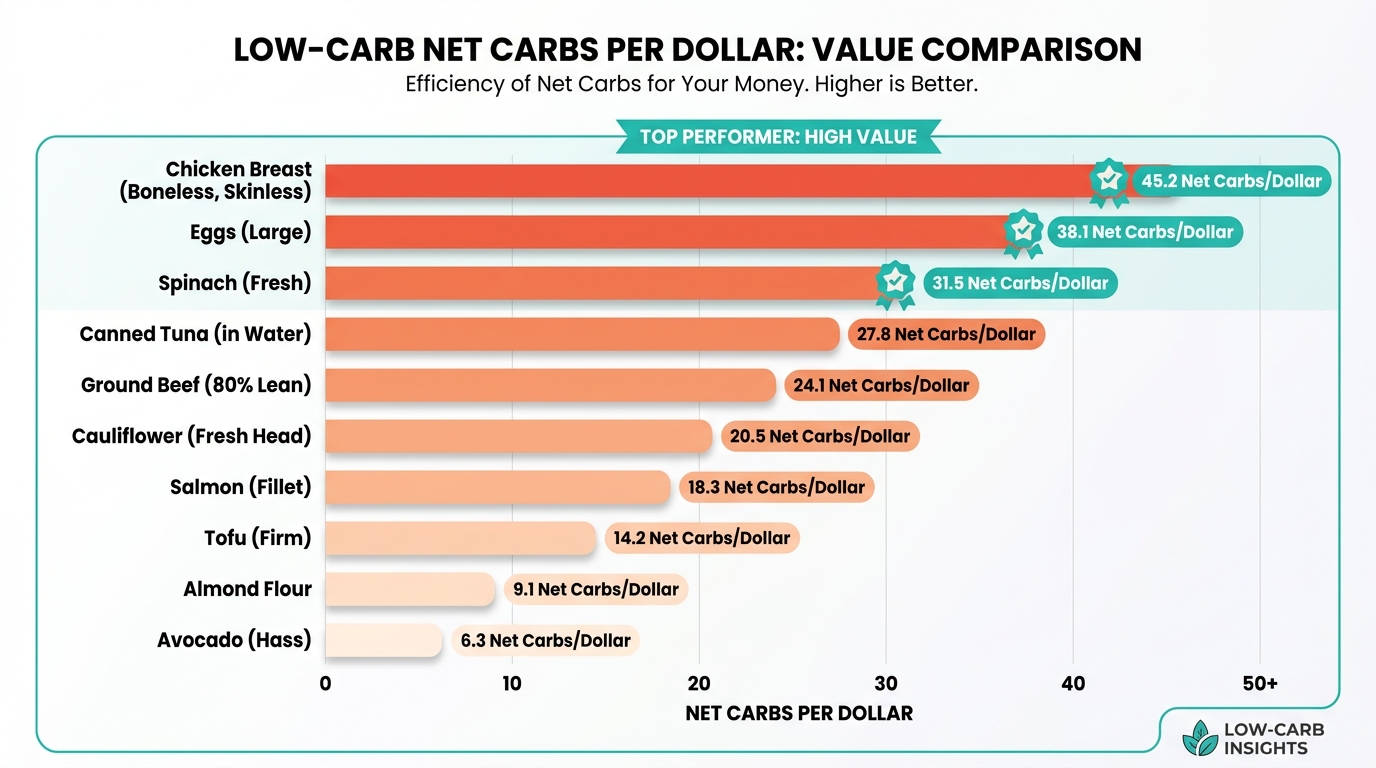
The tiers
- Tier 1: High-value proteins. Eggs, chicken thighs, and ground beef. Near-zero net carbs and excellent cost per serving. The foundation of a budget plan.
- Tier 2: Nutrient-dense whole foods. Block cheese and frozen vegetables like spinach. Solid nutrients and low carbs at a competitive price.
- Tier 3: Specialty and convenience items. Nuts, seeds, and packaged low-carb alternatives. Premium prices, so use them selectively rather than daily.
That structure shows you where your money is going and keeps the bulk of your budget on the efficient, nutrient-dense end.
How this changes your cart
It simplifies the decision at the shelf. Shopping for low-carb tortillas, compare a few brands on net carbs per dollar and the most heavily marketed option is often the least cost-effective. Swap to a brand with more fiber and fewer active carbs per dollar and your budget stays on track without losing the convenience.
Make these value-based swaps consistently and the whole cart tightens up, with every dollar backing the way you actually eat.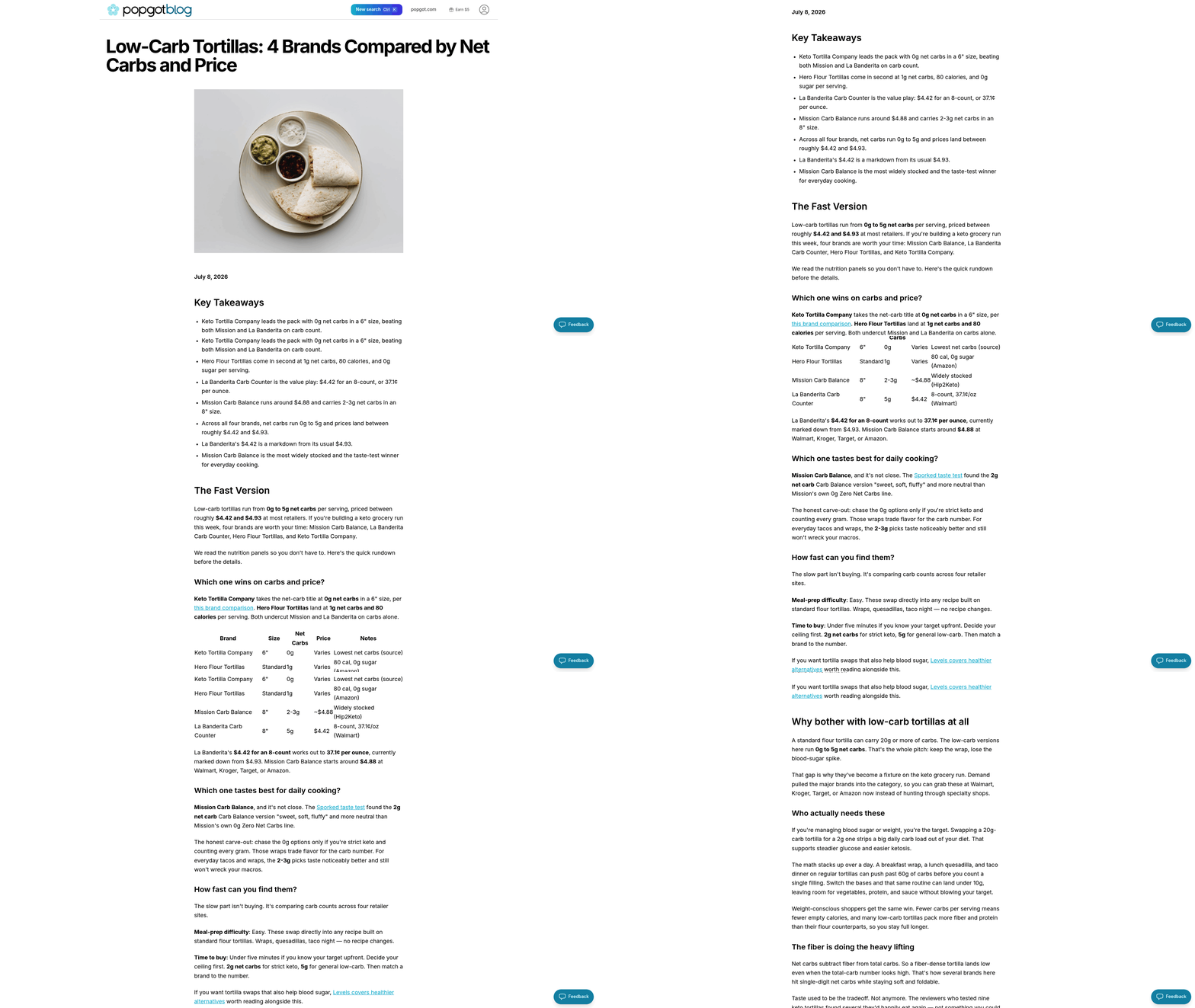
References
[1] Keto on a Budget: Tips, Grocery List, and Meal Plans - https://perfectketo.com/keto-on-a-budget/
Frequently Asked Questions
1. Does a low net carbs per dollar score ever steer me toward nutritionally poor food?
Yes, the metric measures carb efficiency and price, not overall nutrition. A processed item can score well while lacking micronutrients or hiding seed oils. Treat the score as a first filter, then confirm the item is a whole, single-ingredient food before it becomes a regular staple.
2. How should I treat sugar alcohols like erythritol versus maltitol in the calculation?
Subtract sugar alcohols carefully, since they behave differently. Erythritol has almost no blood-sugar impact and can be fully subtracted, but maltitol raises glucose significantly and should only be partially deducted. When unsure, subtract half the maltitol grams so your net carbs per dollar score stays honest rather than optimistic.
3. How often should I re-rank my list if prices keep changing?
Re-rank whenever a staple's price shifts more than roughly 20 percent or when sales hit. Since the formula divides carbs by price, a temporary discount can bump a mid-tier item into the winners. Checking every two to three weeks keeps your ranking accurate without turning shopping into constant math.
4. Is net carbs per dollar better than ranking by cost per gram of protein?
They answer different questions and work best together. Net carbs per dollar protects your carb budget, while cost per gram of protein protects satiety and muscle needs. Eggs and chicken thighs happen to win on both. For fats or vegetables, lean on net carbs per dollar alone.
5. When is a pricier whole food actually worth a worse value score?
Prioritize a higher-scoring item when it prevents waste or adds meals you'll actually eat. A slightly pricier bulk pork loin that feeds a week beats cheap ground meat you let spoil. Value only counts if the food gets eaten, so weigh spoilage and portion realism alongside the number.
6. Can I apply this ranking method when eating out or ordering delivery?
Apply it loosely by comparing menu items on carbs per dollar, favoring protein-forward dishes over bread or rice-heavy plates. Restaurants rarely list serving sizes, so estimate conservatively and treat sauces as hidden carbs. A tool like Popgot helps pre-check packaged items, but plated meals require your own judgment.
7. What if two items land on the exact same net carbs per dollar score?
Break the tie using secondary factors the metric ignores: protein per serving, satiety, shelf life, and ingredient quality. Between two zero-carb, same-price proteins, pick the one that stretches across more meals or freezes better. The score narrows your choices, then practical use decides the final winner.