
Stop Overpaying for Car Batteries: Popgot Checks AutoZone, Walmart, Amazon

Key Takeaways
- Popgot's AI compares car battery prices across eight major retailers in one search, instead of 20 minutes of manual tab-switching.
- Battery decisions usually come down to a $20 to $40 spread between sellers. Worth checking.
- The tool pulls true unit pricing, so a "sale" price that's actually more expensive per unit gets caught.
- Specs get verified first: group size, cold cranking amps, warranty. Then you see the price.
- A cheaper battery with the wrong cranking amps or a shorter warranty isn't actually cheaper.
- You set the specs. The AI does the reading, matching, and math.
- One exception: if you need a battery installed in the next hour, a local store beats any online comparison.
Stop overpaying for a car battery
Buy a battery blind and you pay whatever the first store quotes. Compare across stores before you commit, and you usually don't. That comparison is the work we take off your plate. Our AI reads the specs on every listing, drops the mismatches, and shows you the real unit price side by side.
We built this for one specific annoyance. You want a battery with the right group size, cold cranking amps, and warranty. Not a wall of listings that half-answer the question. Instead of juggling three retailer tabs, you run one search and see verified results together.
What you actually save
Time first, money second. One search covers eight major retailers, so a comparison that used to eat 20 minutes happens in one query. That matters when a battery decision usually hinges on a $20 to $40 spread.
The money follows from honest unit pricing. We extract the true cost per listing and let you sort by it, so a "sale" price that's actually higher per unit gets exposed fast. You stop paying for the sticker.
Why this beats manual shopping
Most price checks fail because people compare the wrong things. A cheaper battery with the wrong cranking amps or a shorter warranty is not cheaper. Our AI verifies the specs you named before it shows you a price, so everything on your screen already meets your requirements.
You set the specs. We do the reading, matching, and math.
Skip us for one thing: if you need a battery installed in the next hour, a local store wins. For everything else, start your search and let the results do the arguing.
What spec verification actually catches
Spec verification means the software reads each battery listing, checks the specs against what you searched, and flags anything that doesn't match. This matters because a cheaper listing often turns out to be a different group size or a lower CCA rating. Once the specs stop matching, the price gap is fake.
Manual research misses this. You open several tabs, eyeball the numbers, and trust that a "Group 35" on one page is the same as a "Group 35" on another. It usually isn't identical on warranty terms or reserve capacity. Verification catches those gaps before you spend a dollar, so the prices you compare are actually apples to apples.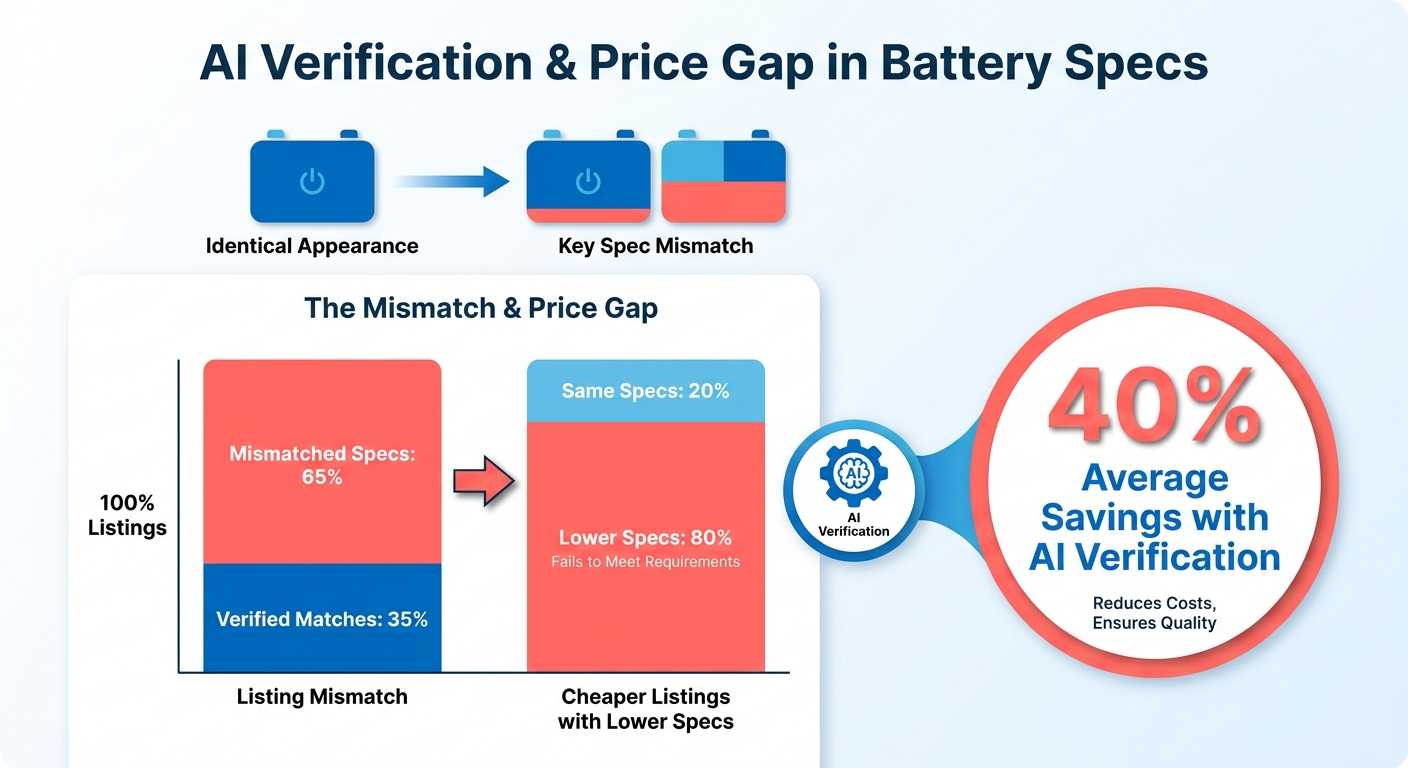
The four things it checks
Every listing gets matched on four points: group size, cold cranking amps (CCA), reserve capacity, and warranty length. If a listing hides the CCA or lists the wrong group size, it gets flagged or dropped instead of cluttering your results.
Group size decides whether the battery physically fits your tray. CCA decides whether it starts your engine on a cold morning. Get either wrong and the low price stops mattering, because you're returning the battery anyway.
Why this beats eyeballing product pages
Manual comparison relies on your attention holding across a dozen listings. The spec check doesn't blink. It applies the same rule to every result, so a mismatch on listing nine gets caught the same as one on listing one.
The classic trap is warranty. A battery looks like it saves you a chunk of change, then months later you find out the coverage is way shorter than you assumed, and you're staring at an early replacement bill. Verification surfaces those warranty gaps up front, so you can weigh long-term value instead of getting surprised.
For a deeper look at why sticker price alone misleads shoppers, this guide on choosing a battery without overpaying breaks down the specs that actually drive value.
How the multi-retailer search works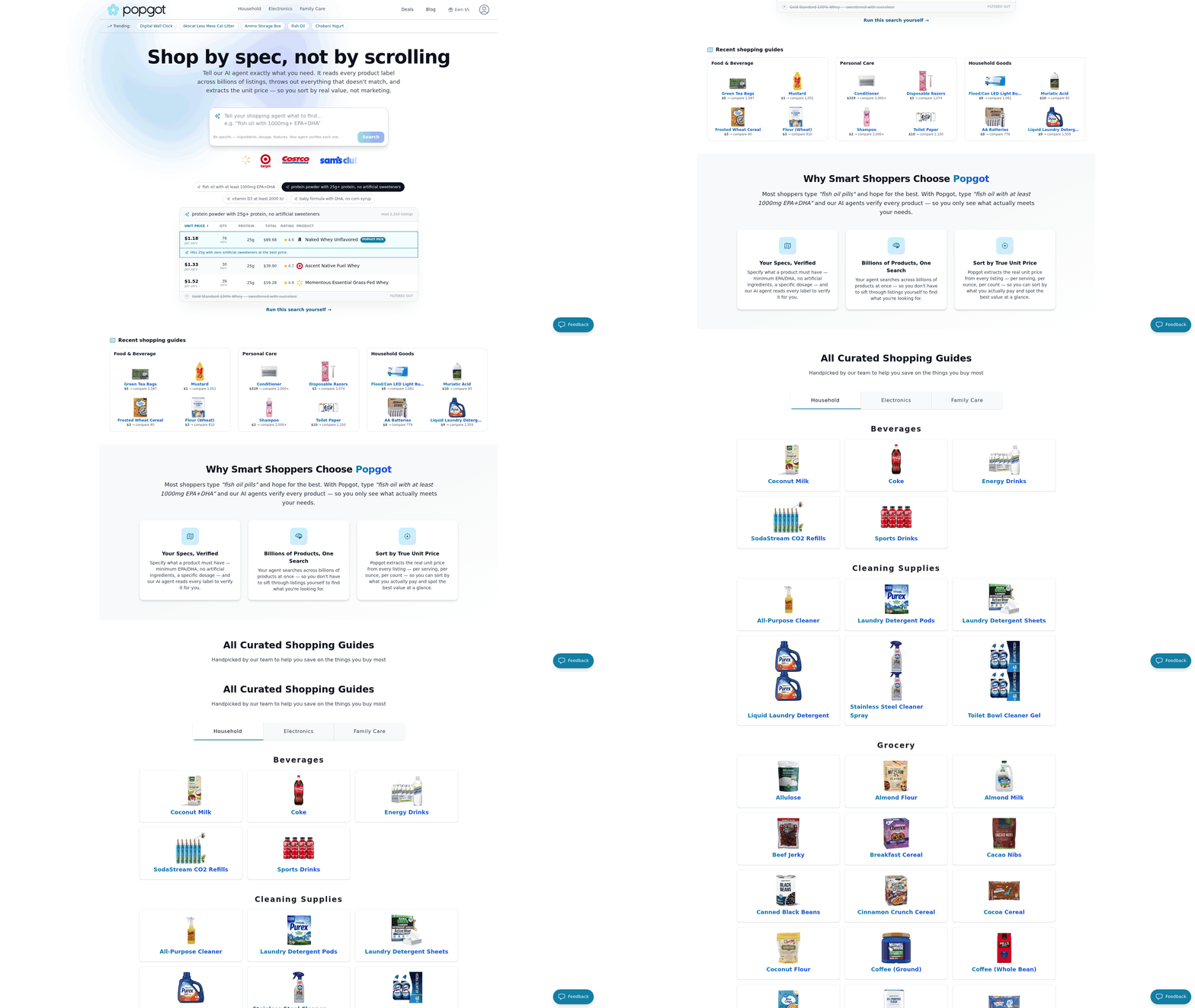
One query runs across eight major retailers and returns verified listings side by side. You type your vehicle or battery spec, and the search pulls matching products from stores like AutoZone, Walmart, and Amazon. No tab-hopping, no manual math.
The AI reads each listing, matches the specs, and lines up the real unit price, brand, and warranty in one view. That's the fastest way to shop without second-guessing whether you're even looking at the same battery.
How you search across stores
Start with a single query. Enter the group size, cold cranking amps, or your car's make and model, and the search fans out to every connected retailer.
Say you want a Group 35 battery with 640 cold cranking amps. The tool queries multiple databases at once. AutoZone lists batteries with same-day in-store pickup or next-day delivery on qualifying purchases. Walmart carries its own batteries and accessories at everyday pricing. You get both, plus the Amazon options, together.
The AutoZone network alone spans over 6,300 stores, so fulfillment options matter as much as the sticker. Those get factored in, so you see the full picture and not just the cheapest number.
What the comparison table shows
The table lays out every matching battery in rows, with at least five columns: brand, price, group size, cold cranking amps, and warranty. One screen instead of three retailer pages.
Here's an illustrative example of what a search might return:
| Brand | Price | Group Size | Cold Cranking Amps | Warranty | Fulfillment |
|---|---|---|---|---|---|
| Brand A | $139 | 35 | 640 | 3-year free replacement | Same Day Pickup |
| Brand B | $124 | 35 | 650 | 2-year free replacement | Next Day Delivery |
| Brand C | $159 | 35 | 720 | 4-year free replacement | Ship to home |
| Brand D | $109 | 35 | 590 | 1-year free replacement | Store pickup |
Notice the cheapest row, Brand D at $109, has the lowest cold cranking amps and the shortest warranty. That's the trap manual shopping sets. The table exposes it instantly.
How much time this saves
Two minutes on a search that used to eat 20 minutes of tab-switching. The difficulty drops from a manual 7 out of 10 headache to a 2 out of 10 click-and-scan.
Automating the data collection kills the friction of copying details into a separate document, and it surfaces the subtle product-tier differences that are easy to miss in a rushed search.
Battery replacements run $100 to $300 depending on group size and cold cranking amps. On a purchase that size, a verified side-by-side view is worth more than a five-minute price glance.
What a $50 gap looks like in the real world
Real savings show up fast when you compare options instead of trusting a single quote. Here's how a verified search turns a wall of listings into one clear winner, and what that looks like in dollars.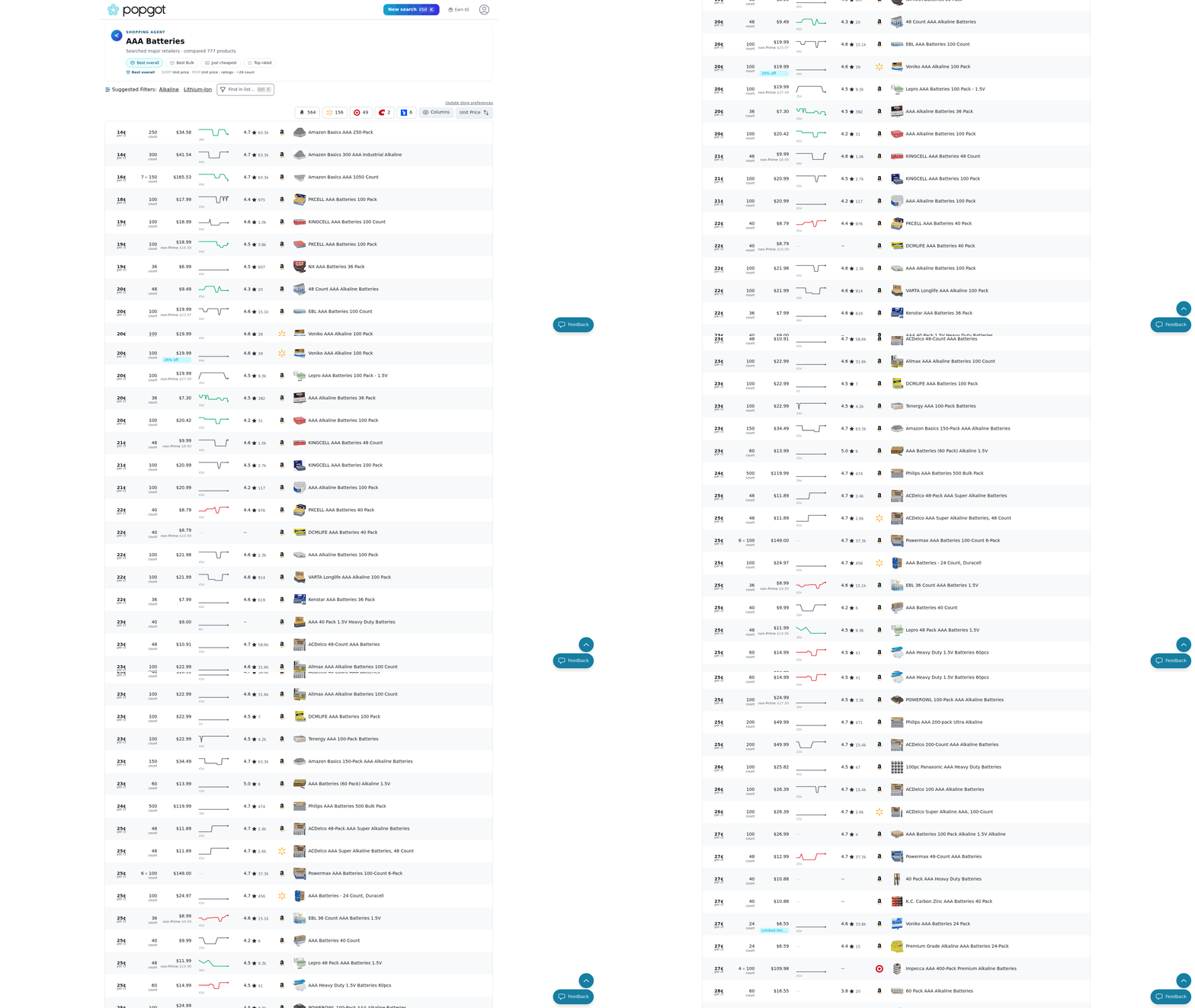
The pattern most shoppers hit: you need a specific battery, you check one retailer, and you assume that price is the market rate. It rarely is.
Where the $50 hides
A driver replacing the battery in a pickup that needs strong cold-weather starting power checks the first store, sees a price that seems reasonable, and has no second number to weigh it against.
Run the same requirements through a verified multi-store search and the picture changes. The AI matches the group size and cranking specs across eight retailers, then lines up the options. In this kind of matchup, the same verified battery can sit $50 cheaper at one retailer than another once you strip out the mismatched listings.
That $50 isn't a coupon or a gimmick. It's the plain difference between two stores selling the identical spec, which you only catch when you compare them side by side.
What the best-deal search returns
The search returns verified matches ranked by real unit price, not by which listing a store wants you to see first. You get the brand, the warranty, and the CCA rating in one view.
Search by your car's make and model instead of a spec sheet, and the query fans out to major retailers, pulls every battery that fits, and drops the ones that miss on warranty or reserve capacity. What's left is a short list where the cheapest option is genuinely the cheapest for your battery.
Price alone shouldn't decide it, though. A battery with a longer warranty and higher reserve capacity often costs less over its life than a cheap unit you replace early. That's why total cost beats sticker price when two listings look close.
AutoZone vs Walmart vs Amazon: same battery, different price
Where you shop shapes what you pay, and the difference is far from trivial. Retailers price using their own formulas, so the same group size and CCA rating can land at wildly different points depending on the logo above the register.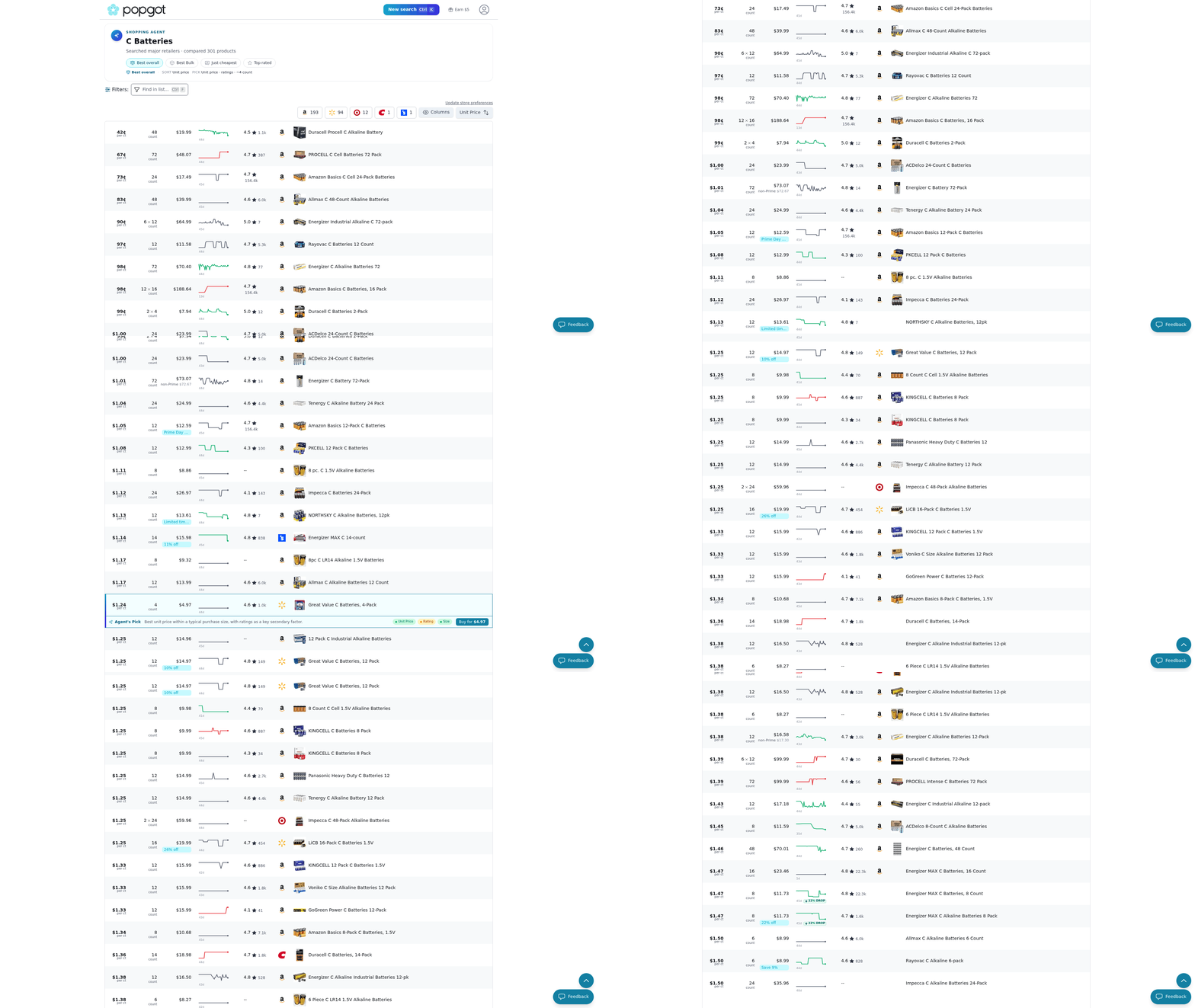
AutoZone runs its own battery lineup with same-day pickup. Walmart sells at everyday low prices. Amazon lists dozens of brands from third-party sellers. Put all three side by side and the cheapest sticker isn't always the real winner once warranty and specs enter the math.
How the three stores diverge
Each retailer prices the same spec on a different logic, so the gap is real but inconsistent. AutoZone leans on in-store service and free next-day delivery. Walmart competes on flat everyday pricing. Amazon's price shifts by seller.
Take a Group 48 (H6) battery with 730 CCA. AutoZone might list it at a premium tied to its longer service warranty and stocked-in-store convenience. Walmart often undercuts that by roughly $25 to $35 with flat pricing. Amazon can dip lowest of all, but the price bounces week to week depending on which third-party seller holds the buy box, and delivery can stretch to nearly a week when demand spikes.
The lowest number grabs your eye first. But that cheapest option often carries a shorter warranty and slower delivery. That changes everything if your car is dead in the driveway right now.
What shoppers actually save
Comparing across platforms means you don't pay the premium for immediate local availability when you don't need it. And you don't order online and wait days when a local store has a comparable deal ready for pickup.
Look at mid-range options and you might find one retailer bakes a stronger roadside assistance or replacement policy into the base price. The search surfaces those perks alongside the raw cost, so you can see the full offer instead of buying a cheaper unit that skips the long-term support.
The expert take: total cost, not sticker
Match on total cost, not sticker price. Warranty length, cold cranking amps, and reserve capacity all shift a battery's true value. A cheaper unit with weaker specs costs more over its life.
Battery specialists say this directly. As that same guide on choosing a battery without overpaying puts it, price alone is a poor filter. The right battery fits your vehicle's group size and CCA rating first, then wins on cost.
So run your specs across all three stores in one pass. Match the group size, confirm the cold cranking amps, then rank by warranty-adjusted price. That order finds the genuine best deal instead of the flashiest discount.
Curated guides: the shortcut for common battery jobs
A curated guide is a pre-built battery comparison that hands you verified results with no setup. Instead of running your own search, you open a guide already sorted by group size and cold cranking amps and view the top options. The spec-matching is done before you arrive.
It's a shortcut for the most common jobs. Drive a compact sedan, a pickup, or an SUV, and there's a guide built around the batteries that fit. You still compare prices across stores, but the filtering that trips up manual shoppers is handled up front.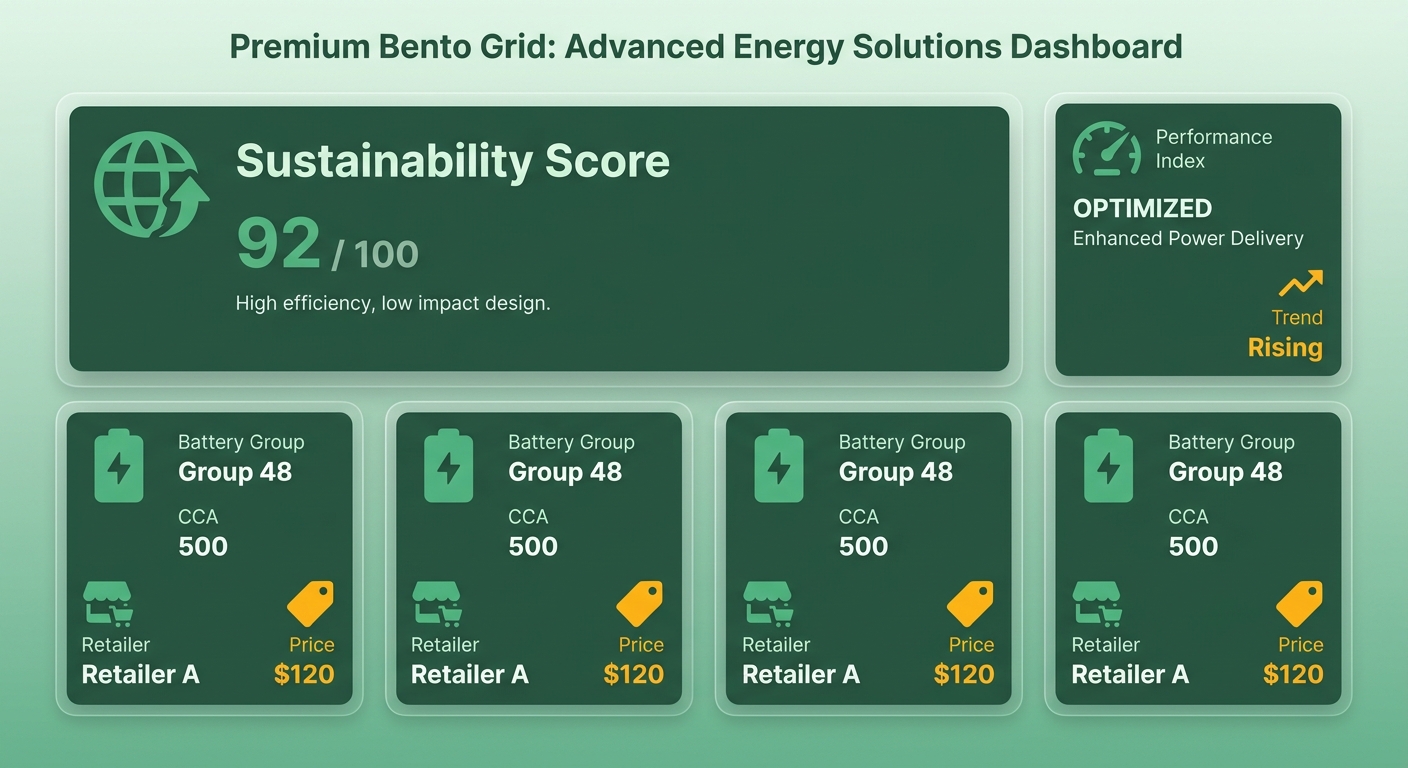
What a guide actually shows you
A guide lists every matching battery from connected retailers, lined up by real unit price, brand, and warranty. Each listing is verified, so a "Group 48" in the guide truly means Group 48 across all of them. No fake bargains from mismatched specs.
Take a guide for a mid-size SUV that needs a Group 48 AGM battery. You see the same spec priced at four retailers, sorted cheapest to most expensive, with warranty terms attached to each. The cheapest sticker might carry a shorter warranty, and the guide makes that trade-off visible instead of hiding it.
Battery price isn't everything. A slightly higher price with a longer warranty and better reserve capacity often wins on total cost. The guide puts those numbers next to each other so you decide with full information.
How this differs from a regular retailer search
A single retailer search shows you one store's inventory at that store's price. A curated guide pulls verified matches from multiple retailers into one view, so you never assume the first quote is the market rate.
The difference is in the details. A standard product page sells you what that store stocks. A guide compares the same verified spec everywhere it sells, then flags the warranty and capacity gaps that change which battery is actually the better buy.
That's the practical edge. Skip the tab-hopping, skip the spec-checking, and land on a shortlist that already accounts for price, brand, and warranty together.
References
[1] Batteries and Accessories - Everyday Low Prices - Walmart.com - https://www.walmart.com/cp/batteries-accessories/1104292
[2] Auto Parts at AutoZone - Batteries, Brakes, Accessories, and More - https://www.autozone.com/
[3] The Best Car Batteries at the Right Price - AutoZone.com - https://www.autozone.com/batteries-starting-and-charging/battery
Frequently Asked Questions
1. How do I find my car's correct battery group size and CCA rating?
Check your owner's manual or the label on your current battery, which lists both the group size and cold cranking amps. You can also enter your vehicle's make, model, and year into a search tool like Popgot, which matches those specifications automatically without manual spec-reading.
2. Does Popgot charge a fee to compare battery prices?
Popgot's multi-retailer search reads listings from eight major retailers and returns verified results at no described cost to shoppers. The tool factors in fulfillment options like same-day pickup and delivery timing, letting you sort by real unit price rather than paying for any comparison service itself.
3. What is reserve capacity and why does it matter for batteries?
Reserve capacity measures how long a battery can power your vehicle's essentials if the alternator fails, expressed in minutes. It affects long-term value alongside CCA and warranty. A higher reserve capacity often justifies a slightly higher price because it extends usable life and reliability during electrical issues.
4. Should I buy a car battery from Amazon third-party sellers?
Amazon can offer the lowest sticker prices, but its cost shifts weekly depending on which third-party seller holds the buy box, and delivery may stretch to nearly a week during high demand. Verify warranty terms and delivery timelines before choosing Amazon over faster retailers like AutoZone.
5. What should I do if my car battery dies unexpectedly?
Visit a local store for immediate installation, since online comparison tools cannot help within the next hour. AutoZone's network of over 6,300 stores offers same-day pickup and often free testing. Save price-comparison shopping for planned replacements where you can wait for delivery.
6. Is an AGM battery worth paying more than a standard battery?
AGM (Absorbent Glass Mat) batteries typically cost more but offer better reserve capacity and durability, making them common for SUVs and vehicles with heavy electrical demands. Compare AGM options by warranty-adjusted price across stores, since the higher upfront cost can win on total lifetime value.
7. Can a longer warranty really outweigh a lower purchase price?
A longer warranty frequently outweighs a small price advantage. A minor upfront price difference can hide a significant gap in coverage length, which becomes costly if the unit fails prematurely. Ranking by warranty-adjusted price, not sticker price, reveals the genuinely better long-term deal.