
The Best Product Finder for Budget‑Friendly Shampoo and Cleaning Supplies

Key Takeaways
- A product finder cuts cleaning-supply shopping down to a two-minute task by comparing prices across retailers in one place.
- Unit-price math is what separates a real deal from a bottle that only looks cheap.
- Consumer Reports ran the same math: cost per square foot for paper goods, cost per count for everything else.
- Multi-retailer search pulls one product's price from several stores at once and ranks it cheapest to priciest.
- Splitting a cart across two stores lets you buy detergent cheap at one and glass cleaner cheap at another.
- Ingredient filters, unit-price sorting, and curated guides are the core of how Popgot's search works.
- Side-by-side listings kill the tab-switching and the store-hopping.
Cleaning Supplies on a Budget: A Popgot Guide
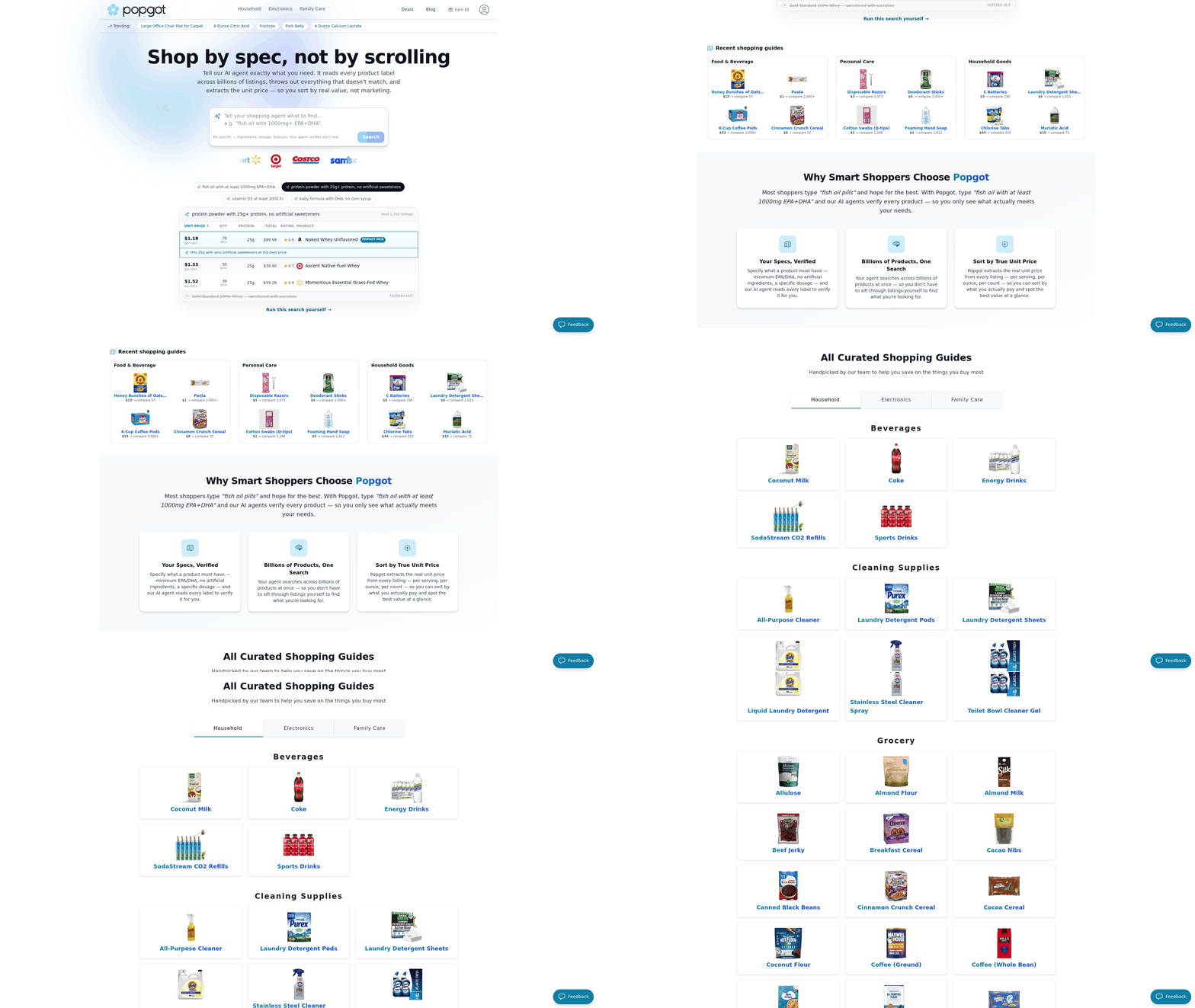
A good product finder turns cleaning-supply shopping from guesswork into a two-minute task. No driving between stores. No five open browser tabs. You compare prices across retailers in one place, and the better tools break down cost per unit so a "cheaper" bottle doesn't fool you.
That last part matters more than most shoppers realize. Consumer Reports compared cleaning products by calculating unit costs, per square foot for paper goods and per count for everything else. A tool that does this math for you is the difference between real savings and false economy.
How multi-retailer price comparison actually works
Multi-retailer comparison pulls the same product's price from several stores at once, then ranks them cheapest to priciest. You search one item, say an all-purpose spray, and see every listing side by side.
A real example. You need dish soap, laundry detergent, and glass cleaner. Search each, sort by total price, and you notice one retailer sells your detergent for less but charges more for glass cleaner. Split the cart across both stores and pocket the difference.
The savings add up faster than you'd think. A Choice guide on budget cleaning found some of the cheapest products actually outperform pricier name brands. Comparing first stops you from overpaying for a label.
Why unit price beats sticker price
Unit pricing shows the real cost per ounce, count, or square foot, not just the number on the shelf. A bigger bottle isn't always cheaper. This is exactly how Consumer Reports ran their analysis. They didn't just list prices. They worked out cost per square foot for paper towels and toilet paper, cost per count for other items, because that's the only fair way to compare different pack sizes.
Two laundry detergents: a 40-load jug at $12 and a 25-load bottle at $8. The smaller one looks cheaper. But the per-load math ($0.30 versus $0.32) flips the answer. A finder that surfaces that instantly saves you from the trap.
A sample comparison view
Here's how five common items might lay out. Treat these numbers as an illustration of what the tool displays.
| Product | Store A Price | Store B Price | Size/Count | Unit Price | Best Value |
|---|---|---|---|---|---|
| All-purpose spray | $3.49 | $3.99 | 32 oz | $0.11/oz | Store A |
| Laundry detergent | $12.00 | $11.50 | 40 loads | $0.29/load | Store B |
| Dish soap | $2.99 | $3.29 | 24 oz | $0.12/oz | Store A |
| Paper towels | $8.99 | $9.49 | 6 rolls | $1.50/roll | Store A |
| Budget shampoo | $4.49 | $3.99 | 12 oz | $0.33/oz | Store B |
AI product verification adds a layer of trust here. It confirms you're comparing the same product across stores, not a look-alike in a different size that quietly skews your results.
How long this takes
About two to three minutes to compare a cart of five items. Difficulty: easy. If you can type a product name and read a sorted list, you can do it. Shoppers who compare unit prices routinely trim their bill by double digits across a full cleaning run. Search, sort, verify, buy. That's the whole workflow, and it beats wandering the aisles hoping for a deal.
Why cheap shampoo and cleaning supplies are worth the attention
Household spending on cleaning and personal care adds up quietly. Shampoo, surface sprays, laundry detergent, paper goods, these are recurring buys. Shave a few dollars off each and it compounds into real savings over a year. A good product finder helps you spot that before checkout, not after.
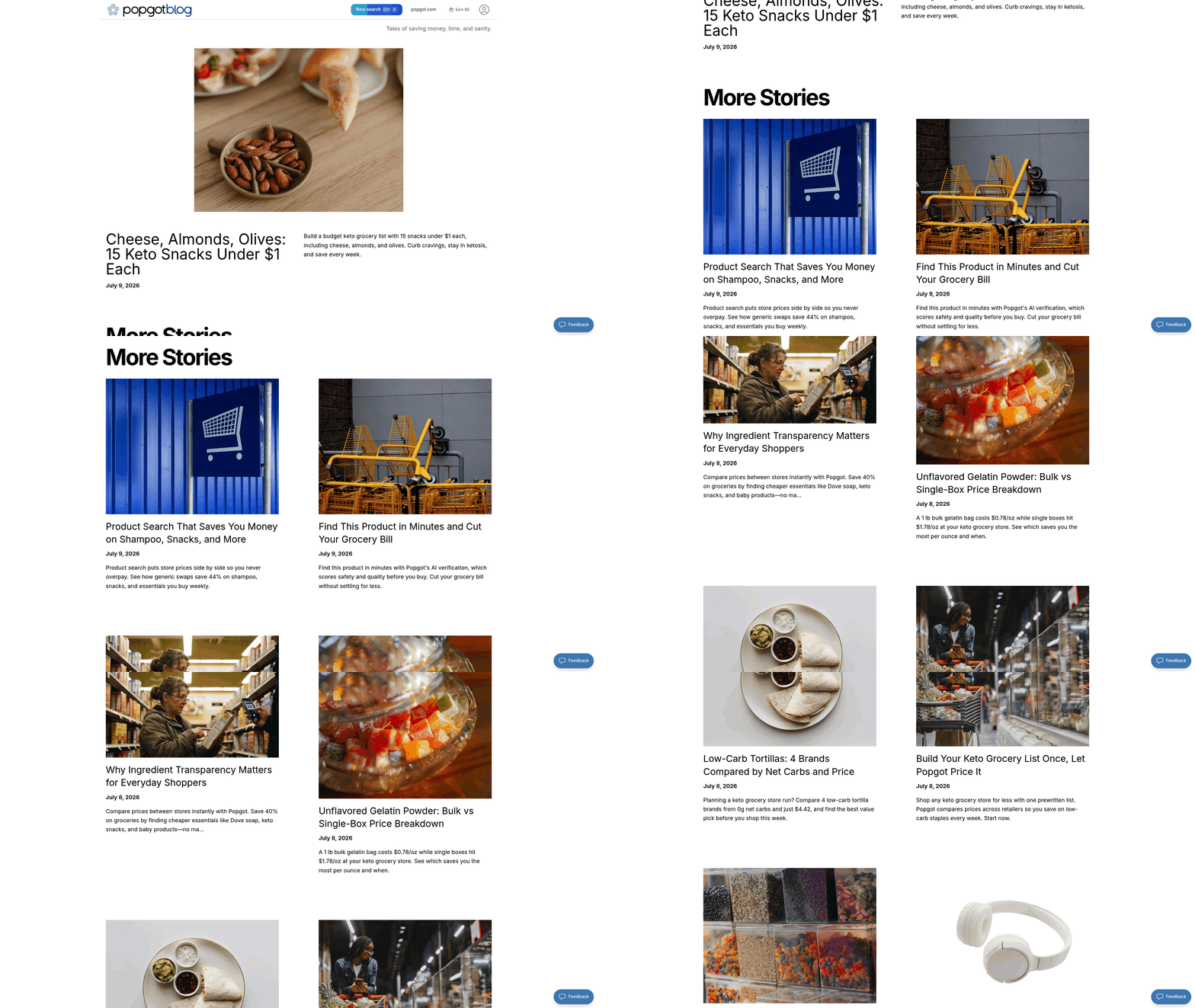
And here's the frustrating part: expensive doesn't mean effective. CHOICE's independent testing found premium price tags often fail to deliver better performance. Brand loyalty can cost you money for no extra cleaning power. A comparison tool flips that by ranking on value, not marketing.
Who gets the most out of this
Anyone with recurring household costs benefits, but some shoppers gain more. Large families burn through detergent and paper goods fast, so small per-unit savings scale quickly. Renters, students, single-income households feel every dollar. For them, shopping on value instead of habit changes the monthly math.
A shared student household is the obvious case. Coordinate weekly buys of dish soap, trash bags, and bathroom cleaners through one shared list, split the costs, and stop buying overpriced convenience sizes at the corner store.
The catch is time. Comparing labels, checking unit prices, hunting the cheapest effective option across stores, that eats hours you don't have. Which is the exact problem a comparison tool solves.
What it actually fixes
You stop assuming the priciest bottle works best and start seeing which affordable products actually deliver. The independent testing proves budget picks can match or beat premium brands.
You also skip the store-hopping. No driving around to compare shelf tags, no opening tab after tab. You get value-ranked options in one view, then buy knowing you're not overpaying for a familiar label.
How to pick the best-value shampoo and cleaning supplies
Best-value shampoo starts with matching the product to your hair type, then comparing what you actually pay per use. A smart finder does both at once. Filter by hair type, sort by unit cost, and a bigger bottle that costs more up front might still win on price per wash.
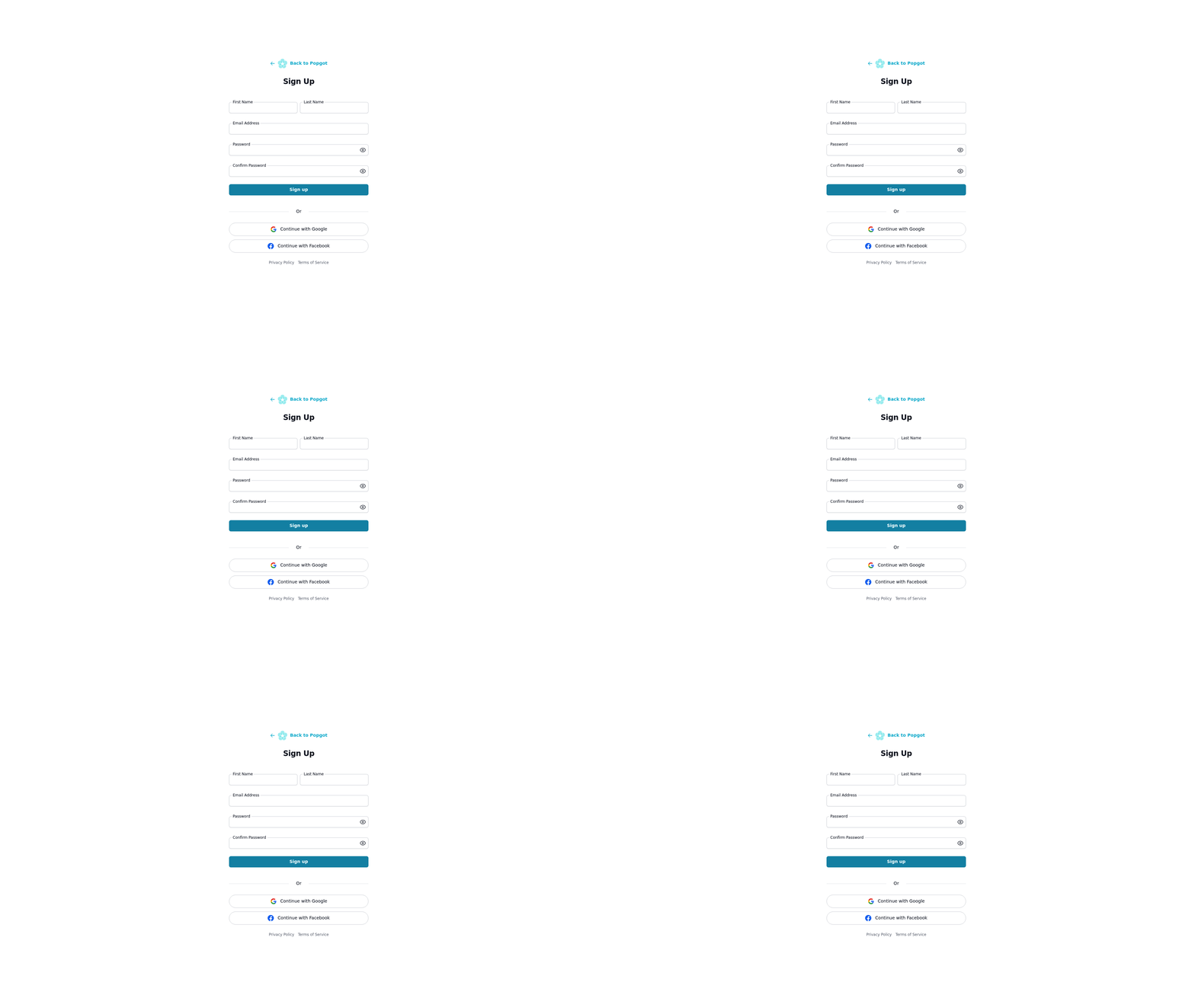
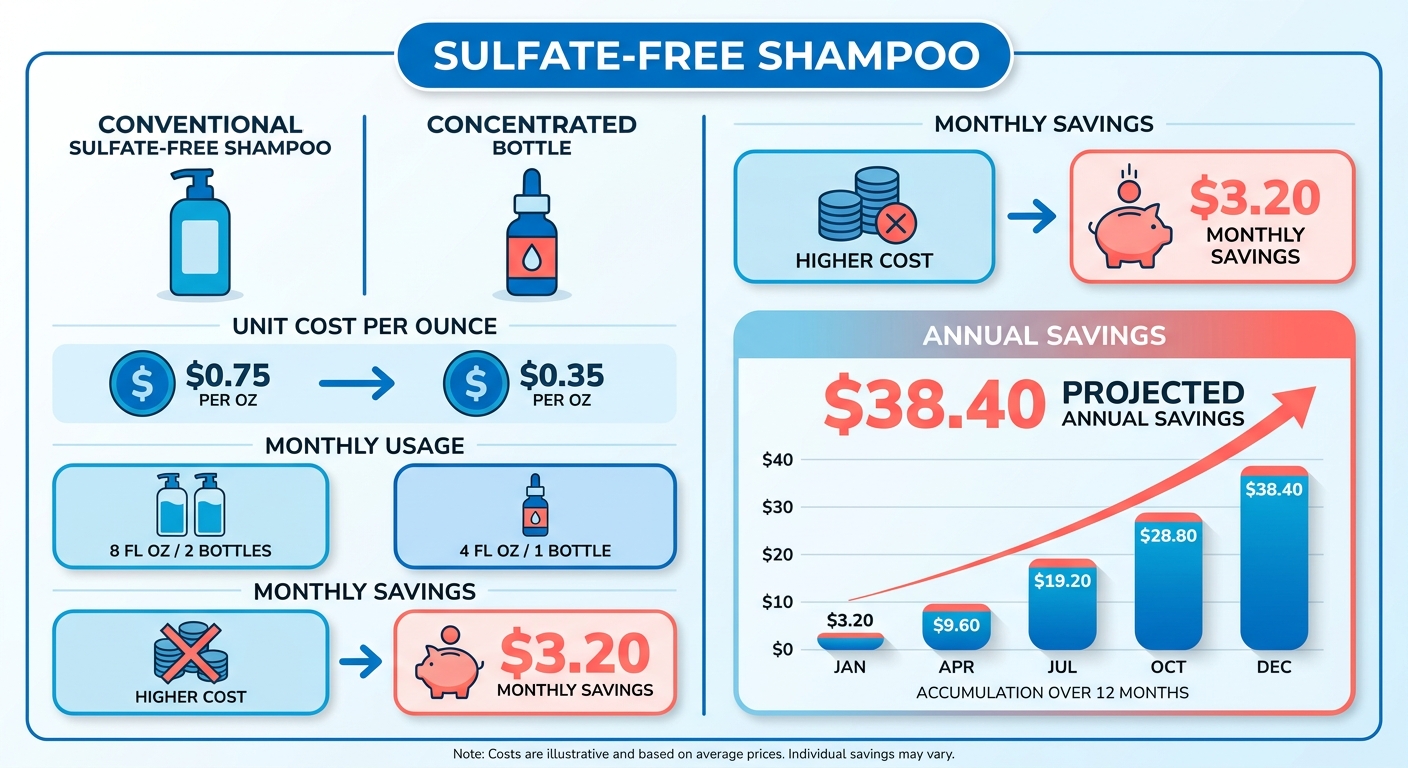
Say you have color-treated hair and want sulfate-free. Set the filter, then rank by cost per ounce. The cheapest sticker price rarely wins here. A concentrated formula you use less of often beats a watery bargain bottle, which is why smart shoppers look at cost per fluid ounce rather than the shelf tag.
Building your filters
Filtering narrows a huge list down to what fits, then ranks the survivors by value. Start broad with a category, then stack: hair type, formula type, bottle size, price per unit.
Same logic for cleaning supplies. Filter surface sprays by concentrate versus ready-to-use, then compare cost per use. Price and performance are not the same thing, and the testing keeps proving it.
A filter order that works:
- Category first: shampoo, surface cleaner, laundry detergent, or paper goods.
- Sub-type second: sulfate-free, concentrate, or bulk pack.
- Unit cost last: sort ascending so the true bargains rise to the top.
Cost per unit, one more time, because it's the whole game
Cost per unit is the price divided by usable amount, and it's the only fair way to compare bottles of different sizes. A large jug at a higher total can cost less per wash than a small "budget" bottle.
Bulk sanitizers make the point. A gallon container at $24 versus a 32-ounce spray bottle at $8. The smaller bottle needs less cash up front, but the gallon gives you four times the volume for three times the price, a 25% discount on every ounce.
Paper goods hide the trap too. Manufacturers tweak sheet counts, roll thickness, and ply layers constantly, which makes a per-roll comparison close to useless. Cost per individual unit is the only reliable way past the packaging tricks.
What to watch out for
Skip products where you can't verify the usable quantity. If a listing hides the ounce count or sheet size, you can't calculate real value. Move on.
Don't assume brand-name means better cleaning. Testing has shown some of the cheapest options cleaned as well or better. Loyalty to a premium label often costs you money for nothing.
Last tip: match the filter to how you shop. Buy in bulk, sort by lowest cost per unit. Storage tight, weigh the unit savings against the space a giant jug eats.
Real examples, real receipts
A product finder proves its worth on real shopping trips, not in theory. The clearest test is whether the unit-cost math actually changes what lands in your cart. When it does, the savings show up on every receipt.
Take the sulfate-free shampoo hunt. Filter by hair type, sort by cost per ounce, and a concentrated bottle that costs more up front wins on price per wash. That single sort saves a few dollars a month. Over a year, repeated across every recurring buy, it compounds into real money.
How a household saves on cleaning supplies
The savings come from unit cost, not sticker price. Reading the actual volume or sheet count is what separates a genuine bargain from a decoy.
A four-person household restocking paper towels, surface spray, and detergent. Sort by cost per square foot instead of price per roll and the "cheaper" pack often loses. A bulk option with a higher shelf price frequently costs less per sheet. Apply that across a full restock and you trim the total without cutting a single item.
Surface cleaners work the same way. Filter out the products leaning on heavy artificial fragrances and dyes, focus on active ingredients, and you'll find effective, unheralded utility brands at a fraction of the heavily advertised price.
What the numbers look like
Small per-item cuts stack into large annual savings. Shampoo, detergent, surface spray, paper goods, all recurring. Shave a dollar off each, repeated monthly, and it adds up fast.
A plausible scenario: a household spends roughly $40 a month on cleaning and personal-care staples. Trim 15% by consistently choosing the lowest unit cost, and that's about $6 a month, or $72 a year. Add shampoo and detergent and the figure climbs. None of it requires buying worse products, since independent testing keeps showing budget formulations can match premium ones.
The point is repeatability. One smart swap saves pocket change. A hundred swaps over a year builds a real cushion.
Where to start
Start with your highest-frequency buys. Paper goods and laundry detergent get replaced constantly, so unit-cost wins there compound quickest. Sort those by cost per unit first.
Then shampoo. Match the formula to your hair, filter for it, rank by price per wash. Skip brand loyalty when a tested budget option performs. That one change often delivers the biggest surprise on your next receipt.
Curated guides for when you don't want to do the filtering
A curated guide is a handpicked list, organized by category and ranked by real value. Popgot builds these so you skip the filtering work. Instead of running your own search from scratch, you open a ready-made guide and see vetted picks already sorted by cost per use.
Think of it as a shortcut on top of the finder. The finder does the raw comparison. The guide adds human judgment, pulling the standouts into one clean list you can shop in minutes.
What a shampoo guide looks like
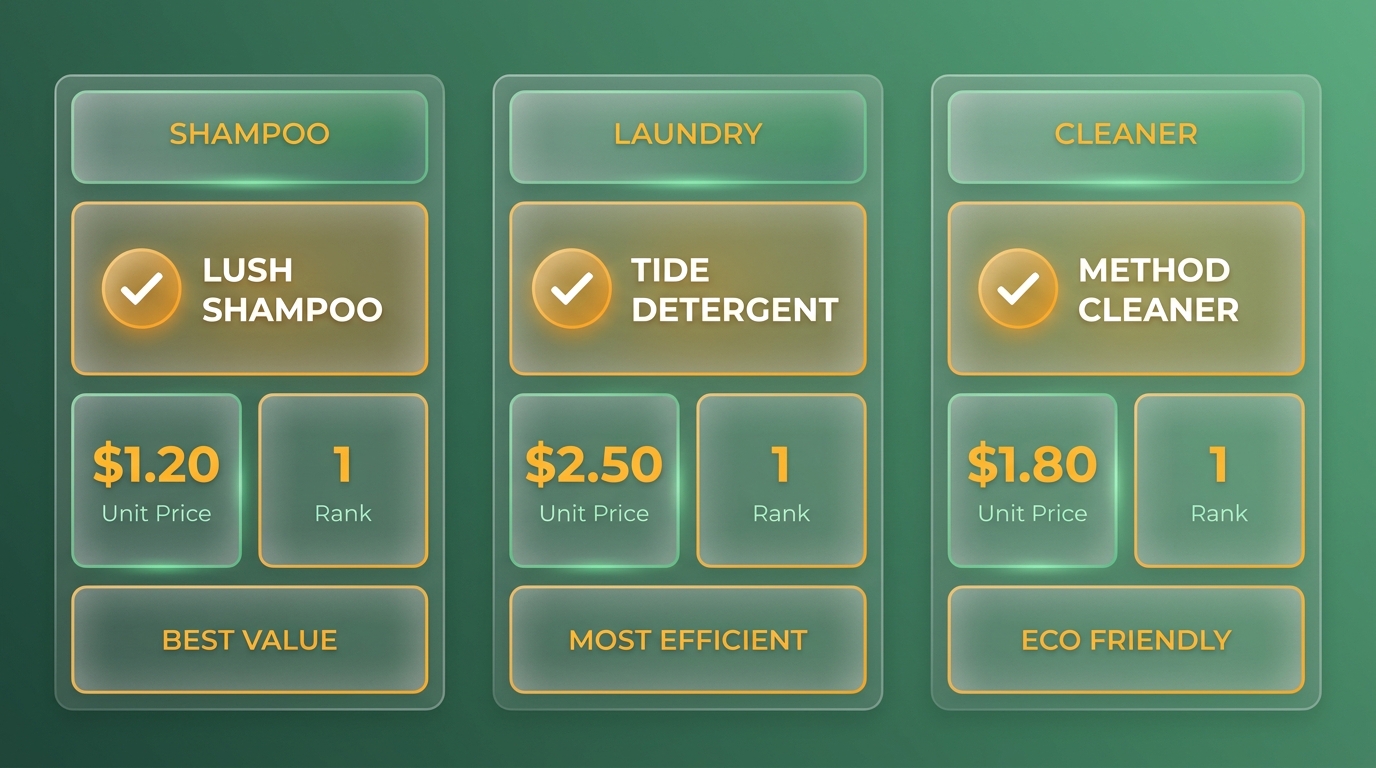
A shampoo guide groups bottles by hair type, then flags the best price per wash inside each group. Each entry lists sticker price, size, and calculated cost per ounce so you can compare fairly. You see why a pick made the cut before it hits your cart.
A "sulfate-free on a budget" guide might list three bottles side by side. One wins on lowest cost per ounce. Another wins on smallest upfront spend for people testing a new formula. A third suits thick or curly hair that burns through product fast. Each pick carries a one-line reason, so the trade-offs stay clear.
How the guides get built
Popgot builds each one by pulling multi-retailer prices, running the unit-cost math, then narrowing to a short list of genuine values. The math comes first. Editors sort candidates by price per unit, then keep only the options that hold up against cheaper rivals.
That last filter matters. A pricier bottle only earns a spot if concentration or performance justifies the gap. If a budget option washes just as well, it takes the slot. That's what keeps the guides honest.
Same benefit across cleaning supplies. A surface-spray guide ranks picks by cost per unit, not brand name or packaging. Set your category, open the matching guide, shop the short list. Over a year of recurring buys, those small per-item wins stack into real savings.
Safety and transparency, because a cheap bottle isn't always a good buy
Safety and transparency decide whether a cheap bottle is actually worth buying. A shampoo or surface spray that hides its ingredients or oversells its claims can cost you more than money. So a strong product finder does more than rank prices. It surfaces what's inside the bottle and whether the label tells the truth.
Transparency is where most bargain hunts fall apart. You compare two detergents, pick the cheaper one, and never learn that its "fragrance" masks harsh additives. A good tool closes that gap by pulling ingredient and claim data into the same view as the price, so safety sits right next to cost per use.
How AI verification keeps shampoo safe
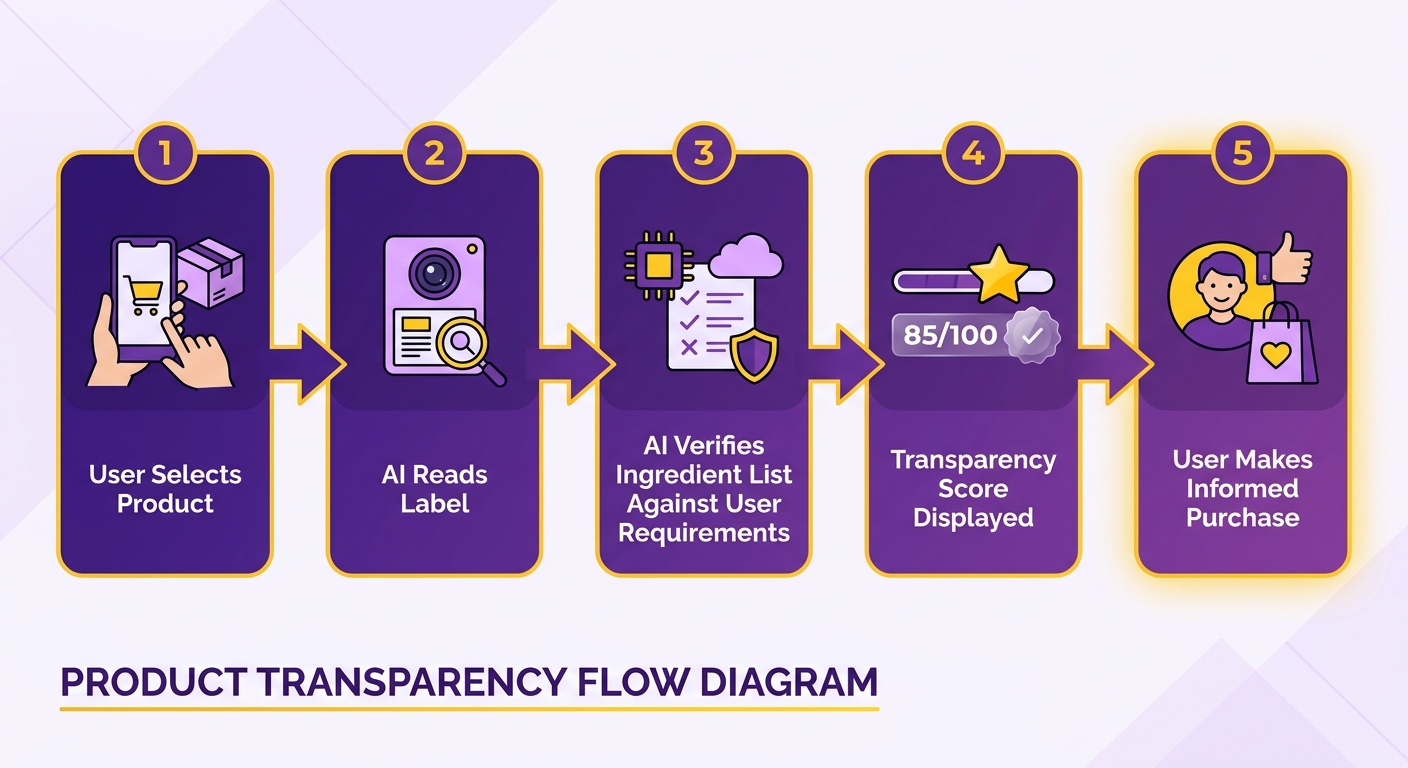
AI product verification checks a product's claims and listing details against available data, then flags mismatches before you buy. Instead of trusting a marketing label at face value, you see whether "sulfate-free" or "hypoallergenic" holds up. That check runs alongside the unit-cost math, so value and safety travel together.
A parent shopping baby wash for a kid with sensitive skin is the case that matters. The verification system cross-references the online description with manufacturer safety data. If a third-party seller lists a formula as "tear-free" but the ingredient registry shows synthetic irritants, the system flags the discrepancy on the spot.
That scrutiny means you don't have to trade health for budget. Verify the chemical formulations and certifications automatically, and you can confidently take the lowest-priced option that still meets your safety standards.
Why shoppers won't buy blind anymore
Shoppers increasingly refuse to pick products they can't vet. When ingredient lists stay hidden, trust breaks, and a low sticker price won't win the sale.
A verification feature answers that directly. You get the price comparison, the cost-per-use breakdown, and a clear read on whether the claims hold up. Three questions answered in one search: Is it cheap? Is it effective? Is it honest?
That's the whole point of pairing safety checks with price data. You stop choosing between saving money and knowing what you're bringing home.
What I'd actually do
Budget shopping comes down to one habit: comparing real value before you buy, not after. Our product finder does that work. It reads the label on every listing, checks it against your requirements, and sorts what's left by true unit price. A recurring chore becomes a two-minute check.
Here's what we've built and why it matters for shampoo and cleaning supplies. You tell the AI agent what you need. It searches eight major retailers at once, throws out anything that doesn't match, and shows you the cost per ounce or per use. A cheaper sticker price stops fooling you the moment you see what you actually pay per wash.
Where to start
Pick one recurring buy. The shampoo or cleaner you replace most often. Then run a search with your real requirements typed in.
The quickest way in:
- Be specific. Type "sulfate-free shampoo" or "all-purpose cleaner, no added fragrance" instead of a vague product name. The agent verifies each spec against the label.
- Sort by unit price. Rank by cost per ounce or per count, not shelf price. The concentrated bottle often wins.
- Use a curated guide when you're short on time. Our team has already ranked staples like laundry detergent pods and all-purpose cleaner by real value.
When to skip it
Honestly, for a one-off purchase you'll never buy again, the setup isn't worth it. But for anything you refill on a schedule, the math changes what lands in your cart. Set your filters once, check the unit price, repeat it across every recurring buy. Small savings on each bottle add up across a full year.
References
[1] Best Prices for Our Favorite Cleaning and Paper Supplies - https://www.consumerreports.org/money/prices-price-comparison/best-prices-on-cleaning-products-and-paper-goods-a3578680534/
[2] Cleaning on a budget: the cheapest cleaning products that actually ... - https://www.choice.com.au/home-and-living/laundry-and-cleaning/surface-cleaners/articles/cheapest-cleaning-products
Frequently Asked Questions
1. Does splitting my cart across two stores mean paying shipping twice?
Splitting a cart can trigger two separate shipping fees, which may erase your unit-price savings. Before committing, compare each store's minimum for free shipping. If your detergent savings at Store A total three dollars but shipping costs five, buying everything at one retailer wins.
2. How do I calculate unit price myself if a tool isn't available?
Divide the total price by the usable quantity listed on the label. For a $9 bottle holding 24 ounces, that's $0.375 per ounce. For paper goods, divide by square footage instead of roll count, since sheet sizes vary widely between packs and distort per-roll comparisons.
3. Are concentrated cleaning formulas always the better value?
Concentrated formulas usually cost less per use because you dilute or apply smaller amounts, but not always. Verify the recommended dilution ratio first. A concentrate requiring double the product per job can match a ready-to-use spray's real cost, so check application instructions before assuming savings.
4. What should I do if a product listing hides the ingredient list?
Skip listings that omit ingredients or usable quantity. Without ingredient data, you can't verify claims like "sulfate-free" or check for harsh additives hidden under "fragrance." Popgot's AI verification flags these mismatches, but if a listing lacks the information entirely, move to a competitor that discloses it.
5. Does budget shampoo damage color-treated or curly hair?
Price doesn't determine hair-safety; ingredients do. Color-treated hair needs sulfate-free formulas regardless of cost, and a $4 budget bottle can meet that requirement. Filter by your hair type first, then sort by price per wash. Curly or thick hair burns through product faster, so per-use cost matters more.
6. How many retailers does Popgot compare prices across?
Popgot searches eight major retailers simultaneously for each product you enter. Its AI agent removes listings that don't match your typed requirements, then ranks the survivors by cost per ounce or per count. This eliminates manual tab-switching and confirms you're comparing identical products rather than similarly-named look-alikes.
7. Is unit-price comparison worth it for a one-time purchase?
Skip deep unit-price research for one-off buys you won't repeat, like a specialty cleaner for a single job. The savings won't compound enough to justify the time. Reserve the effort for recurring staples such as shampoo, detergent, and paper goods, where small per-bottle savings stack across a full year.