
Popgot and the traditional price checker, compared

Key Takeaways
- Popgot's AI agent reads every product label to verify exact specs, ingredients, dosage, and features before a listing reaches you.
- Traditional price checkers usually miss ingredient-level filters. Popgot checks each product against precise requirements instead.
- Popgot pulls true unit pricing per serving, ounce, or count across eight major retailers, so you can sort by real cost.
- The biggest gaps between the two methods show up in spec verification and unit pricing, not basic price lookup.
- You can ask for something specific, like fish oil with at least 1000mg EPA+DHA, and the AI drops everything that does not match.
- A manual price checker still works fine for rough sale-price sanity checks when no detailed requirements apply.
- Traditional checkers show every listing regardless of fit. Popgot surfaces only what matches what you asked for.
Quick Summary
Shop by specific requirements, and an AI reader beats a traditional price checker on ingredient-level verification and value sorting. Just need a rough sale-price sanity check? A manual method still does the job fine.
We built Popgot around the things health-conscious shoppers actually weigh. Line it up against a traditional price checker, and the biggest gaps show up in spec verification and true unit pricing, not raw price lookup. The real question is what you're shopping for.
Popgot vs. the traditional price checker: where they split
| Dimension | AI reader (Popgot) | Traditional price checker |
|---|---|---|
| Retailer coverage | 8 major retailers | Varies |
| Unit-price extraction | Automatic, per serving/oz/count | Manual |
| Ingredient-level filters | Verified by AI | Often missed |
| Spec verification | Reads every label | Manual, per item |
| Product relevance | Only matches your specs | Shows everything |
The label-reading is the headline. Instead of typing "fish oil pills" and hoping, you tell Popgot "fish oil with at least 1000mg EPA+DHA" and the agent reads every label to verify each product before you see it. That's the difference between sorting listings by hand and letting an agent throw out everything that does not fit.
What to take away
- Verification favors AI. Popgot's agent reads every label to confirm a product meets your specs. Ingredients, dosage, features.
- Unit pricing is automatic across retailers. Popgot pulls the real unit price. Per serving, per ounce, per count. Across eight major retailers, so you sort by what you actually pay.
- Manual filters miss the details. Traditional checkers often skip ingredient-level filters. A real problem if you're screening for dosages or additives.
- Relevance is the edge. Because the agent drops products that do not match, you only see what fits. A real benefit for health-focused shoppers.
- Skip the AI for one-off, no-spec buys. Checking a single sale price with no ingredient requirements? A manual lookup is fast enough.
For the full breakdown, see our Popgot vs. traditional price comparison tools guide.
Why this comparison actually matters
A traditional price checker answers one question: what does this cost right now? For a health-conscious shopper, that's half the decision. You also need to know what's inside the package and whether the "deal" survives the unit-price math.
That gap is why we built past the old model. A traditional price checker scrapes list prices and stops. It will not tell you the "value" size costs more per serving than the standard one, or whether a product actually meets your dietary needs. We pair real-time pricing with ingredient verification so both decisions happen in one place.
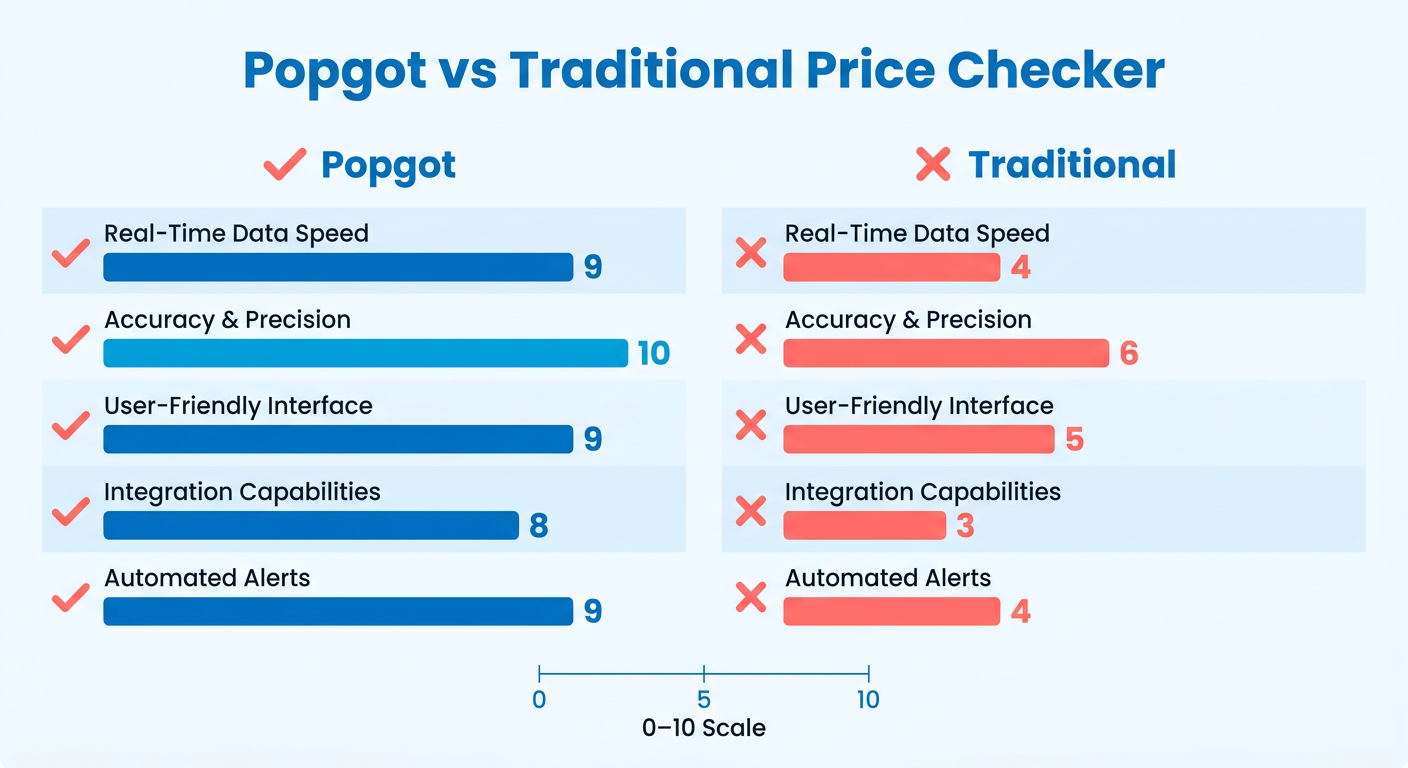
Where the traditional checker falls short for careful shoppers
List-price scraping ignores the two things that decide value: unclear ingredient data and confusing package sizing. Both slip past a tool that only reads the sticker.
Shrinkflation makes this concrete. A shopper in r/Target put it bluntly:
"started using a shrinkflation tracker and holy shit it's eye opening" - r/Target poster
Another commenter in that thread nailed the trick: brands keep the box identical and quietly cut what's inside, because a straight price hike gets noticed and a smaller fill does not. The Kind Bar example stuck with us. The package dropped from 8 bars to 5 and announced "Now 5 Bars!" on the front. Not knowing the old count, you'd assume you were gaining.
A checker that only reads the shelf tag misses all of it. Popgot pulls the real unit price from every listing. Per serving, per ounce, per count. So a "sale" that's really a worse deal shows up for what it is.
When a manual price check is enough
Skip the ingredient tooling for a quick sanity check on a single sale item you already trust. If you know the product, the size has not moved, and no dietary flags apply, a plain price lookup does the job.
The value shows up the moment your requirements get specific. Allergen flags, per-serving cost, minimum dosages. That's where we spend our effort, and where a scraped list price leaves you guessing.
For a fuller picture, browse our curated shopping guides to see how per-serving unit pricing changes the math.
Working Popgot into your weekly shop
Fastest way to make Popgot part of the routine: search by spec for the products you rebuy, let the agent read every label, and sort by real unit price so you buy on value instead of guesswork. That turns a traditional price checker habit into something efficient instead of a manual, error-prone chore.
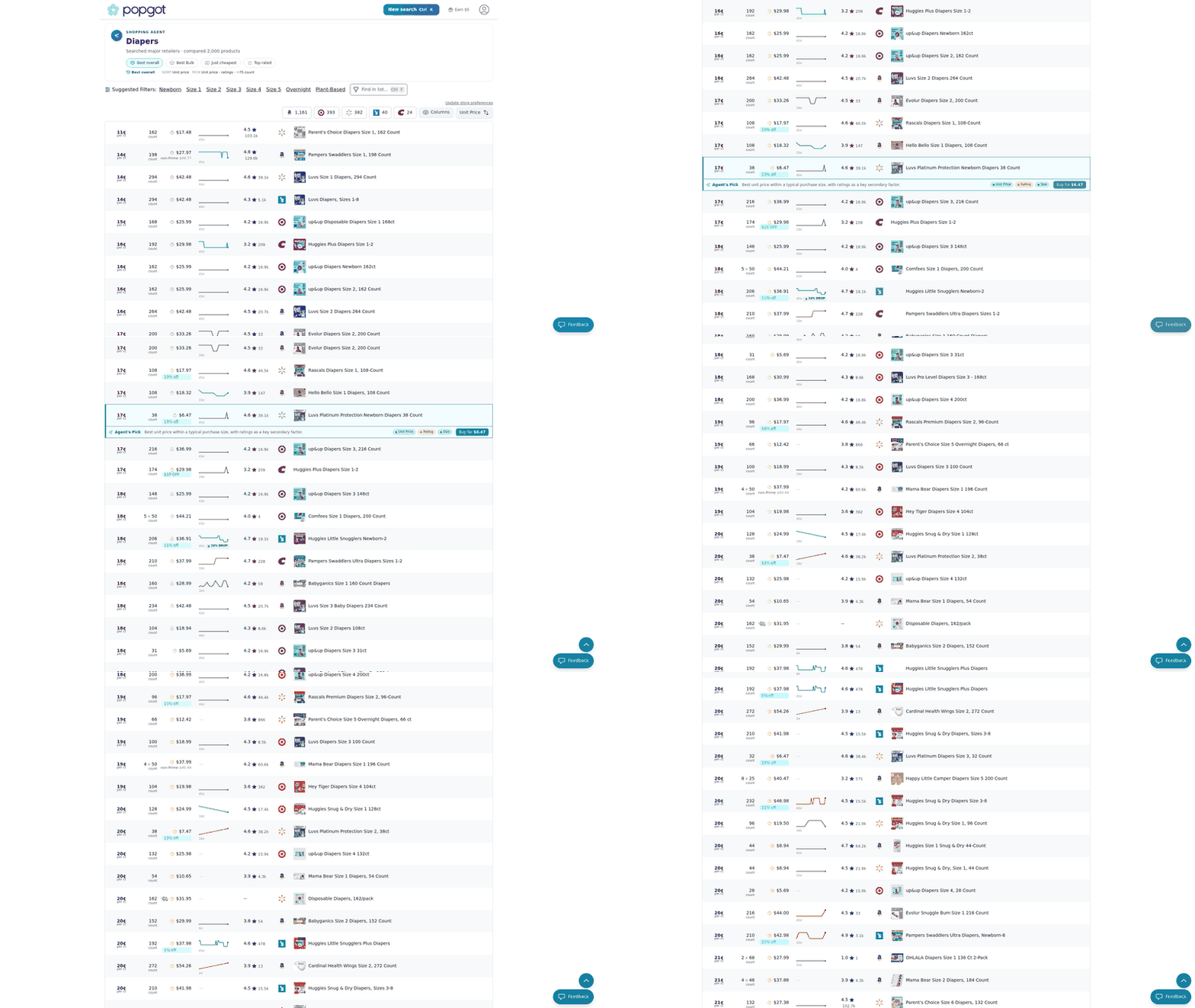
A traditional price checker makes you start from scratch every time. You look up one item, note the price, move on. Popgot's agent searches across major retailers in a single query, so the comparison work happens in one place instead of tab by tab.
Setting up repeat buys by spec
Instead of a generic keyword, define exactly what a product must have. Ingredients, dosage, features. Then let the agent verify each listing against it.
Start with the boring essentials. Shampoo, toothpaste, dog food, the pantry staples you always run out of. Search each one by spec, and Popgot compares pricing across the major retailers it covers, including Amazon, Walmart, and Target.
This is where verified specs beat a plain keyword search. You're not sifting mismatched toothpaste listings every Sunday. You run the search, scan current prices, and see which store wins this week. The unit-price math is already done.
How verified specs help on staples
Set specific requirements for anything you buy regularly. A minimum dosage, no artificial ingredients, a particular size. The agent throws out everything that does not match, so you only see products that meet your needs.
Accurate unit pricing pairs well with spec-based search. Because Popgot pulls the real unit price by volume, weight, or piece, you spot when a product costs more for less. Sorting by true unit price keeps you from overpaying when packaging stays the same while contents shrink.
Keep it simple for true impulse items. If you're not going to rebuy it, a detailed spec search adds little. Verified specs earn their keep on the staples you buy again and again.
For comparing across stores, run a spec-based search and let the agent handle the label reading and unit-price math. Pair that with a monthly budget review, and your grocery spending gets easier to control without extra effort on your end.
Trust: can you see where the number came from?
Trust comes down to one question: can you see where a number came from? Weigh Popgot against a traditional price checker, and the split shows up in traceability. Our agent reads every label and shows you the data source behind each verification, so you know exactly what was checked before you buy.
A traditional price checker rarely does that. Most show an "estimated price" with no source behind it. That opacity has a cost. When the "why" is missing, the number feels like a guess.
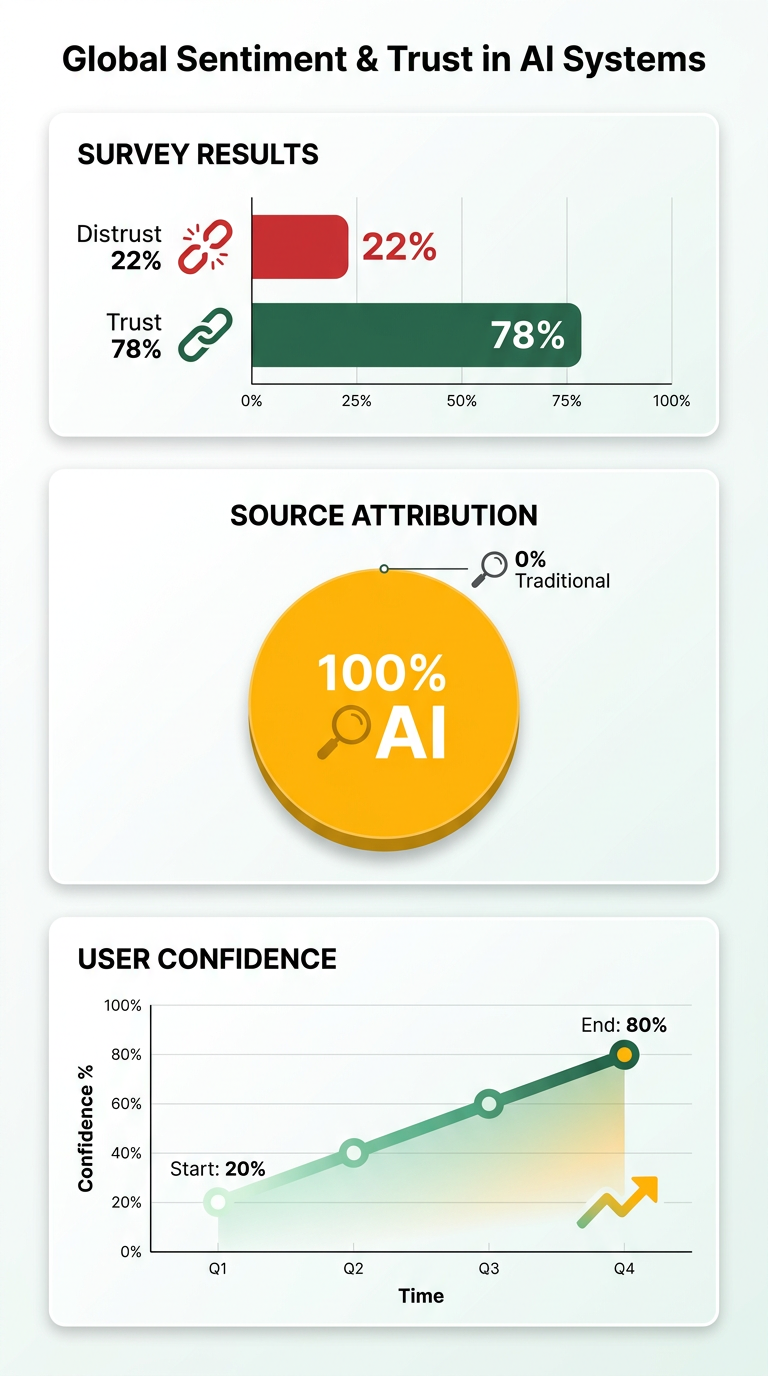
What spec verification actually shows you
Spec verification means telling the AI exactly what a product must have, like a specific active ingredient concentration or the absence of synthetic binders, and having it read every label to confirm each requirement. Popgot checks these against listings across major online merchants, so you only see products that meet your standards.
That matters most for the things careful shoppers rebuy. If a listing's spec matches what you asked for, you can act on it. If it does not, Popgot filters it out before it reaches you. Compare that to a bare estimate with no source, and the difference in user confidence is obvious.
Browser-extension price tools do genuinely improve how much people feel they're saving. Research on price-comparison extensions confirms they sharpen the perception of a good deal across stores. But perception isn't verification. Feeling like you saved is not the same as knowing a spec is accurate.
Security and community signals
Security is a credibility signal people forget until it fails. Many price-checker extensions carry no formal security certification at all, which is worth pausing on before you hand one your browsing data. Know what a tool does with your information before you install it.
Usability backs this up. Popgot is built for easy navigation, needs no long onboarding, and works across demographics, from parents to shoppers managing specific dietary needs. Our referral program even rewards you with $5 for sharing the platform. Trust compounds once you can see the receipts.
Shopping faster and safer, step by step
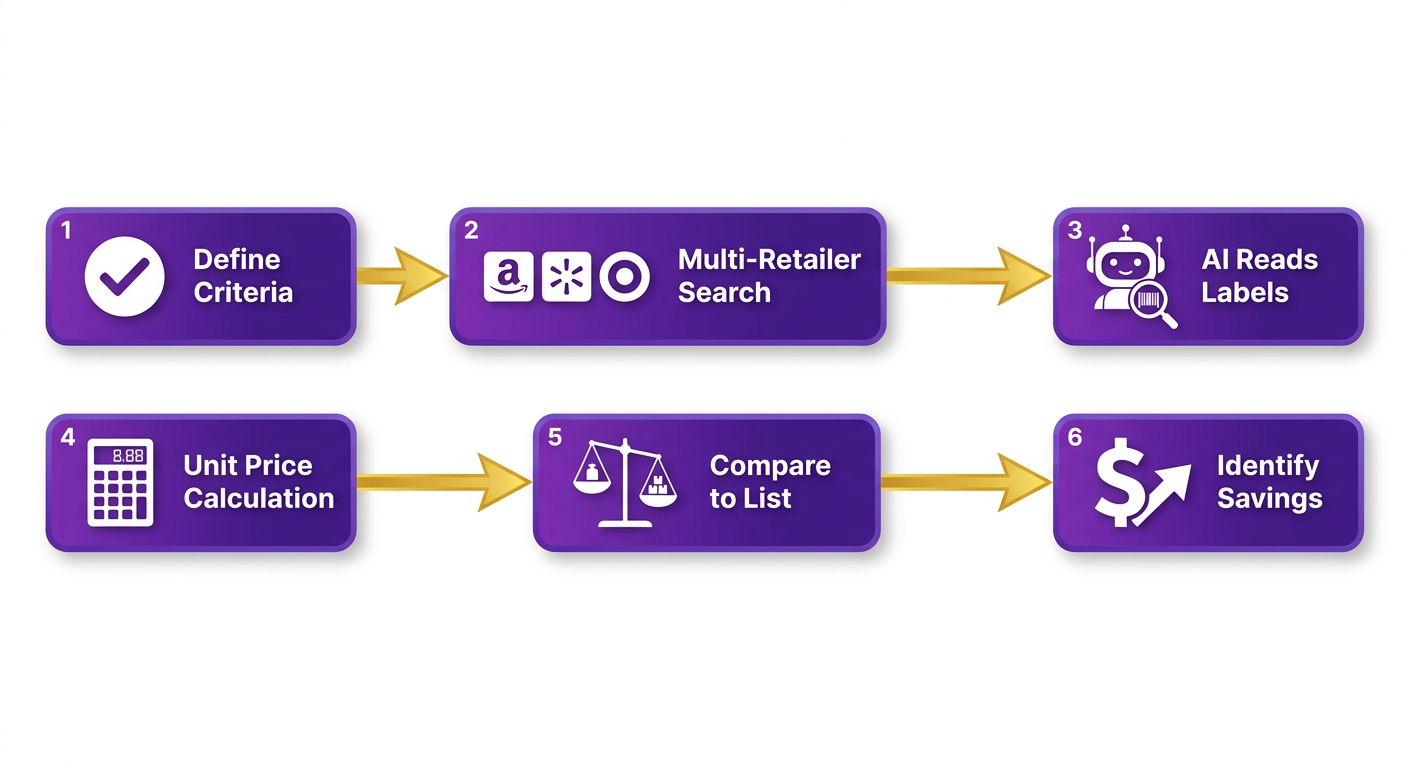
Fastest way to shop safely: define your exact criteria, run one multi-retailer search, read the AI verification, then check out. Five steps replace what a traditional price checker turns into a tab-by-tab slog. Each step below pairs the Popgot flow with the manual equivalent so you see where the time goes.
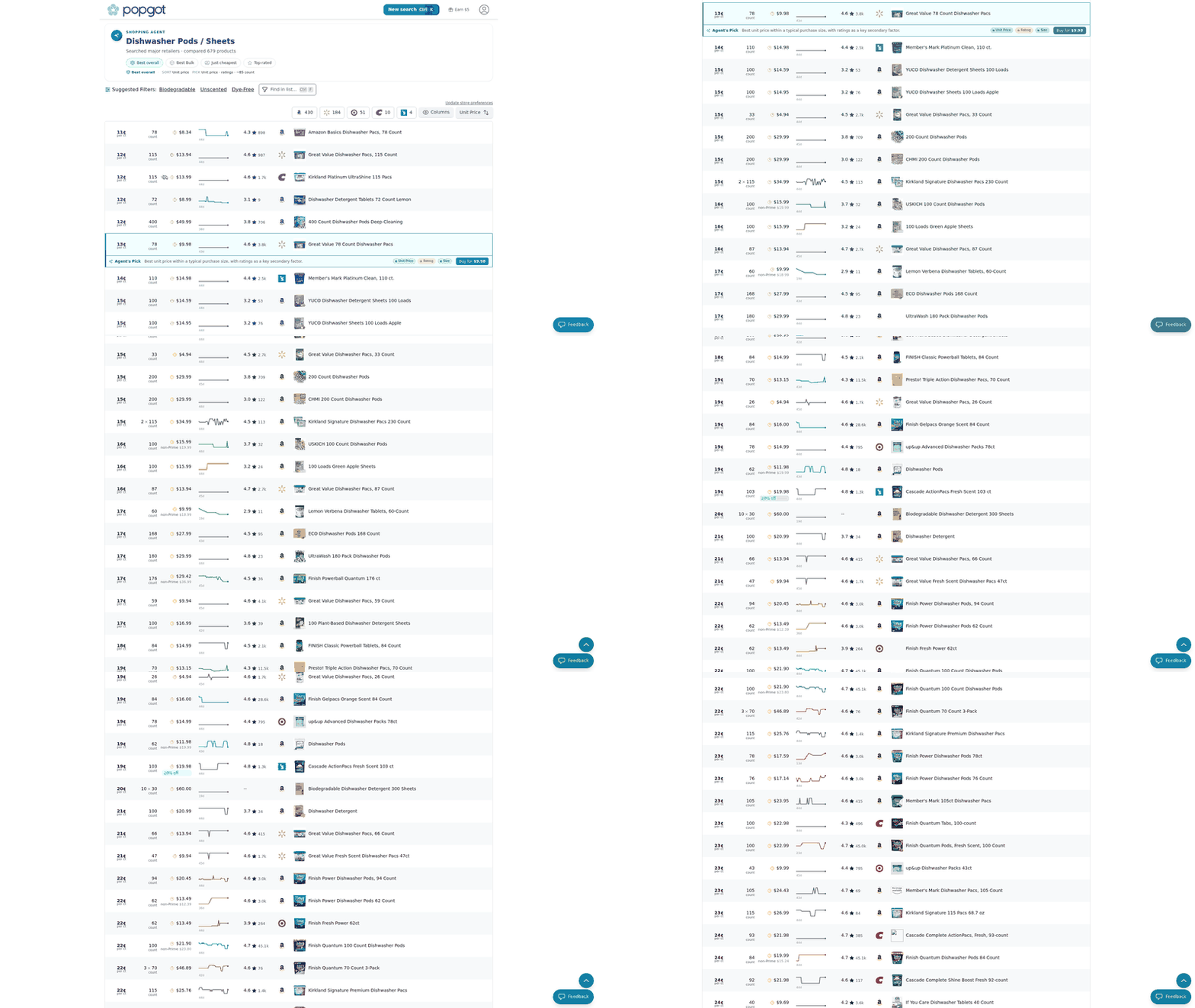
Our agent does the label-reading and unit-price math up front. A manual method makes you do both by hand, which is where errors and missed promos sneak in.
Setting up your search
Step 1 – Define product criteria. Type what you actually need, not just a keyword. Example: "sulfate-free body wash, 500 ml." Be specific. Ingredients, dosage, features. The agent verifies each one. The manual route means opening a separate tab to look up ingredient names first.
Step 2 – Activate multi-retailer search. One query scans all 8 retailers at once. You get matched SKUs back in seconds instead of the several minutes it takes to tab between store sites by hand. That single-query approach is what lets the agent search across billions of products so you do not sift through listings yourself.
Reading the results and buying
Step 3 – Review the AI-verified ingredient list. The agent reads every label and flags mismatches, like a "clean" product hiding parabens, throwing out everything that does not match. Manual checking means squinting at PDF spec sheets yourself and hoping you catch it.
Step 4 – Compare unit prices. We calculate cost relative to the actual volume or count. So a bigger "value" pack that actually costs more per serving gets exposed. This is the shrinkflation problem shoppers keep flagging.
Sort on what you actually pay and the best value shows at a glance instead of the marketing-driven "deal."
Step 5 – Click through to checkout. You go straight to the retailer's cart with your verified pick. No spreadsheet reconciliation, no second-guessing whether the deal held up.
Skip the full flow for a quick one-off sale check. For products you rebuy by spec, it's faster and catches more.
When to choose Popgot over a traditional checker
Choose Popgot when what's inside the package matters as much as the price. For allergy-sensitive shopping, supplement buying, or any spec-driven purchase, an AI reader beats a traditional price checker because it verifies ingredients and does the real unit-price math for you. Reach for a manual method only when you're checking a single number on something simple.
Our honest carve-out: a traditional price checker is fine for price-only comparisons on non-regulated items. Buying generic AA batteries or a phone cable? You do not need label verification. Skip the AI reader there. The gap only opens up when the decision depends on what a product contains or how the sizes stack up per serving.
When to pick Popgot
Pick Popgot when any of these apply:
- Ingredient accuracy is critical. Allergies, dietary restrictions, or supplements where a wrong match has real consequences. The agent reads every label instead of trusting a product title.
- Time is tight. One multi-retailer search replaces the tab-by-tab slog of manual checking.
- Budget is real. True unit pricing catches the "value" size that costs more per serving, so you buy on math instead of packaging claims.
That last point matters in an era of quiet downsizing. When a manufacturer trims the volume of an item while keeping the packaging and price identical, standard price scrapers miss the hidden cost increase. A tool that parses the actual net weight or count from the label exposes it instantly.
Our recommendation
For health-conscious, time-pressed, and budget-aware shoppers, the AI reader is the better default. It closes the two gaps a list-price tool leaves wide open: spec verification and true value sorting.
Stick with a simple manual check for one-off, price-only lookups on generic goods. For everything you rebuy, everything with a label worth reading, and every "deal" you want to trust, let the agent do the reading. Tell it exactly what you need. Ingredients, dosage, features. It reads every label, throws out what does not match, and sorts by real unit price.
Cost-savings deep dive: the money you keep
Compared to a traditional price checker, an AI reader that does the unit-price math surfaces value you'd otherwise miss. Not by finding magic discounts, but by calculating what you really pay per serving, per ounce, or per count.
The gap comes from coverage and speed. A manual method looks at one item at a time and stops at list price. Popgot's agent reads across major retailers in a single pass, so it sees the outliers a manual scan skips.
How Popgot handles real categories
It pulls the true unit price so savings compound. How the platform handles common baskets:
- Laundry detergent: Popgot pulls the real cost per load from the label, so instead of comparing bottle sizes you sort by what you actually pay per wash.
- Keto grocery basket (almond flour, MCT oil, eggs): specify your requirements, like a specific ingredient or "no artificial sweeteners." The agent verifies each product and ranks it by unit price across retailers.
- Baby wipes: because Popgot reads the label and calculates cost per count, quiet per-unit price changes do not slip past you the way they can with a once-a-week manual glance.
Volume reductions are often designed to slip past the casual shopper. When a brand quietly cuts the number of sheets or wipes in a pack, a standard price check shows no change in the deal's value. Automated label parsing folds these subtle shifts into your total cost.
What time saved is actually worth
You shop by spec instead of by scrolling. Rather than opening tab after tab to compare products yourself, you tell Popgot exactly what you need and the agent throws out everything that does not match. That's the time you get back on every trip.
Now stack the value. Popgot's unit-price sorting means the savings from buying the best real value. Per serving, per ounce, per count. Add it up across a year of shopping. That's the compounding effect of value sorting done automatically instead of by hand.
Want to see it work? Run one of the sample searches on our homepage and watch the agent verify each listing against your specs.
Feature by feature: what each tool actually reads
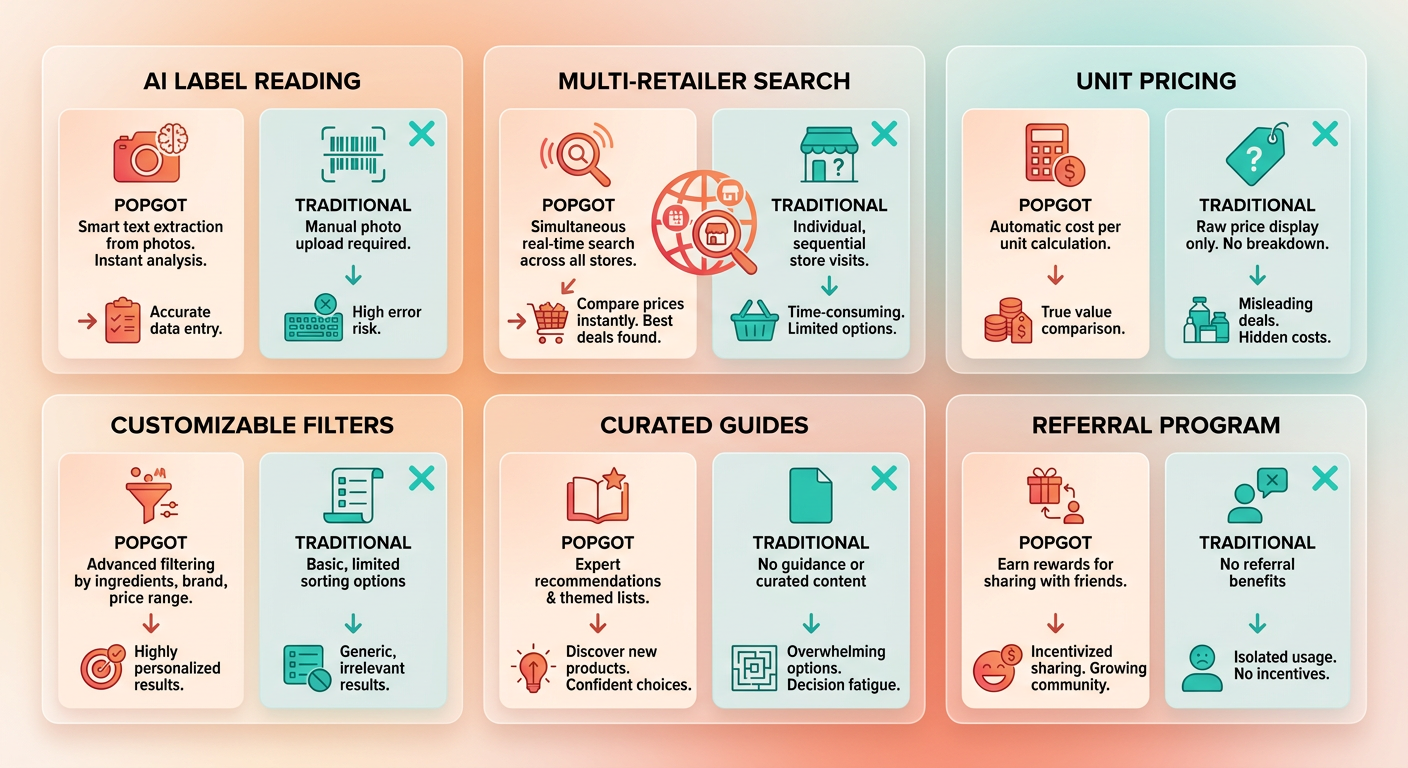
Feature by feature, the split between Popgot and a traditional price checker comes down to what each tool reads. We search 8 major retailers at once and verify what's inside the package. A manual workflow scrapes list prices from 2 or 3 sites and stops.
Below are the five features that matter most to health-conscious shoppers. Each shows where an AI reader pulls ahead of the old method, and where it genuinely does not matter.
Where Popgot pulls ahead
Retailer coverage: One query across eight stores at once. The manual route means opening tabs, copying prices, and losing your place. A single Popgot search covers all of them, so you do not sift through listings yourself.
Ingredient and dosage filtering: The agent validates specific formulations, like checking for a particular active compound or verifying allergen-free certifications, before you buy. Manual checks skip this entirely because a price scraper reads the price tag, not the supplement facts panel.
Unit-price calculation: We auto-calculate price per gram or mL. A hand-built spreadsheet invites math errors, and those errors are exactly where the "value" size fools you. Automating the math removes the step you're most likely to botch.
Value and verification
True unit price: Popgot pulls the real unit price from every listing, standardizing cost by weight, volume, or unit. That lets you sort by actual value instead of falling for marketing-driven packaging sizes.
Spec verification: You can tell the agent to look for precise attributes, like organic certification or a specific material standard. It then reads the actual packaging labels to verify these claims, where traditional tools only check the retailer's metadata.
This is what catches downsized products. When a manufacturer cuts the contents while keeping the outer box the same, our automated unit-price calculation flags the discrepancy right away, protecting your budget from hidden inflation.
Skip the AI reader for a single price lookup on a simple, non-regulated item. For everything spec-driven, the feature gap is real.
Search filters built for health-focused shoppers
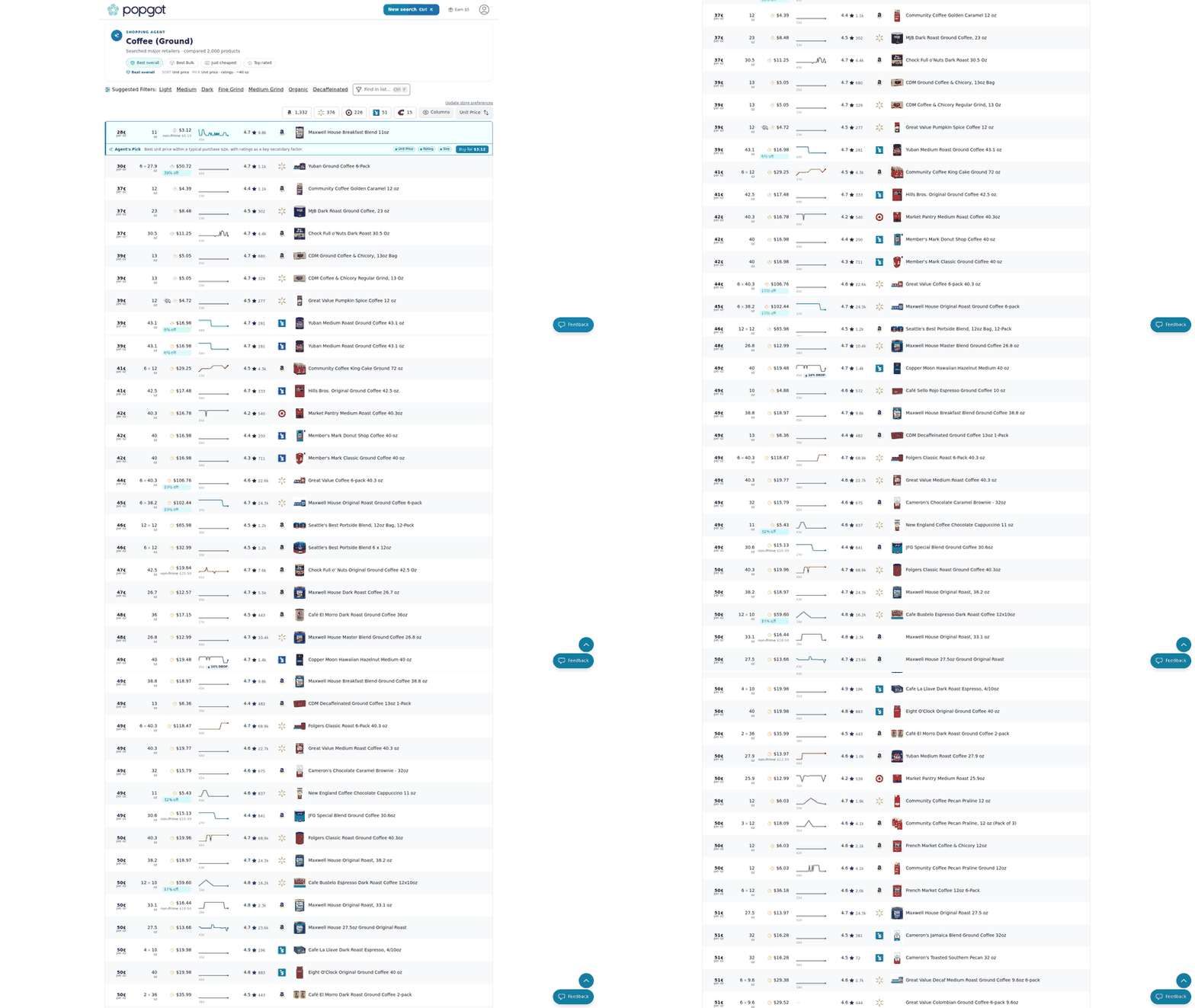
Filters decide whether a search is useful. A traditional price checker gives you a handful of blunt options: category, brand, maybe a price range. That's fine for finding a cheap phone cable. It fails the moment your purchase depends on what's inside the package.
Our filters read at the ingredient level. You set a hard requirement, and the agent verifies each listing against it before it reaches your results. That's the split between value-aware shopping and the old habit: one filters on labels, the other on tags a retailer happened to enter.
What Popgot filters that a traditional checker cannot
Ingredient-level filters let you set specs a price tool never touches. Instead of trusting a retailer's "gluten-free" tag, the agent reads the label and confirms it. You define the threshold; the AI does the checking.
What that looks like in practice:
-
Minimum active ingredients: Set a floor like "at least 20g of protein per serving" or a specific concentration of an active vitamin. A keyword search buries weak formulations next to highly concentrated ones. Our filter surfaces only the listings that clear your threshold.
-
Certified gluten-free: We verify against the label, not the listing tag. Retailer tags get copied, mislabeled, and left stale. Reading the actual product avoids that.
-
Vegan and cruelty-free: These claims are notoriously loose. A filter that checks the ingredient panel beats a checkbox someone clicked at upload.
The value here is subtraction. Every listing that does not meet your spec disappears before you waste time on it.
How specific filters speed up every search
Specific requirements let you tell the agent exactly what a product must have, like a particular certification or the absence of specific chemical additives. State your exclusions and the agent throws out everything that does not match, so you skip the sifting.
This matters most for repeat shoppers with chronic conditions or strict diets. Screen for the same three allergens and a keyword search leaves the checking to you. Spell out the exclusions and the agent handles verification against the actual labels.
Even when your needs change every trip, the payoff holds. For anyone shopping the same restrictions, the time saved on manual label-reading compounds fast.
References
[1] Shopping With a Price Comparison Browser Extension | Request PDF - https://www.researchgate.net/publication/391633490_Shopping_with_a_Price_Comparison_Browser_Extension
Frequently Asked Questions
1. Does Popgot work if I don't have specific ingredient requirements?
Popgot works for any purchase, but its advantage shrinks for generic, non-regulated items like batteries or phone cables. For those, a simple manual price check is fast enough. The value appears when you screen for allergens, dosages, or per-serving cost, where label verification actually matters to your decision.
2. How is Popgot different from a browser-extension price tool?
Browser extensions typically focus on finding coupon codes or tracking historical list prices at checkout. Popgot, by contrast, operates at the product-discovery stage. It parses the actual ingredient labels and packaging details to verify that a product meets your specific health or dietary standards before you even add it to your cart.
3. Can I trust "gluten-free" or "vegan" tags on retailer listings?
Retailer-provided metadata is frequently inaccurate due to automated database sync errors or manual entry mistakes by merchants. Popgot's AI agent bypasses these unreliable tags by reading the actual product packaging and ingredient panels directly, ensuring that dietary claims are fully verified.
4. How does Popgot help with shrinkflation specifically?
Popgot automatically calculates the true cost per unit of measurement (such as per ounce, gram, or individual count) directly from the product label. If a manufacturer reduces the volume of a product while keeping the price and packaging identical, Popgot's unit-price calculation will immediately reflect the higher cost per unit, making the change visible to you.
5. Which retailers does Popgot search when comparing prices?
Popgot queries multiple major e-commerce platforms simultaneously, covering the largest online grocery and household retailers. This broad, automated search replaces the traditional method of manually opening multiple browser tabs to compare prices across different store websites.
6. Why do some shoppers distrust traditional price checker estimates?
Many shoppers find traditional price estimates unreliable because these tools rarely disclose how or when the pricing data was gathered. Popgot addresses this lack of transparency by providing direct traceability, showing you the exact source and timestamp for every verified price and product detail.
7. Is there a reason to worry about price-checker browser extensions?
Many browser extensions require broad permissions to track your entire web browsing history, often without clear data-privacy safeguards. Popgot is designed as a secure, web-based platform that respects user privacy, requiring no invasive browser tracking or complex onboarding to start comparing products safely.
Popgot is a participant in the Amazon Services LLC Associates Program, an affiliate advertising program designed to provide a means for sites to earn advertising fees by advertising and linking to Amazon.com. As an Amazon Associate, we earn from qualifying purchases. This does not influence our editorial content or product comparisons.