
Save Time Comparing Amazon Items with Popgot

Key Takeaways
- Popgot streamlines Amazon product comparisons by filtering over 300 million items using unit price, ratings, and attributes.
- Ground coffee buyers save time finding prices as low as $0.31 per ounce via Popgot’s roast-level and organic filters.
- Ignoring product comparisons risks health issues, financial waste, and customer dissatisfaction from poor choices.
- Popgot’s diaper filters identify plant-based options at $0.11 per count, avoiding infant discomfort or allergies.
- Popgot eliminates guesswork in laundry detergent purchases by verifying HE compatibility and unit pricing.
- Popgot automates tedious tasks like price verification and specification cross-checking, saving shoppers hours.
- Shoppers can compare products by specific attributes like organic status or size ranges using Popgot’s filters.
Why Product Comparison Matters On Amazon
Product comparison on Amazon is essential in today’s market, where over 300 million products compete for attention. Without a structured way to evaluate options, shoppers waste hours sifting through listings, often settling for suboptimal choices. Popgot addresses this by offering a streamlined comparison system that cuts through the noise, ensuring users find the best deals based on unit price, ratings, and specific product attributes. For example, ground coffee buyers can identify prices as low as $0.31 per ounce by using Popgot’s filters for roast level and organic status Coffee (Ground) | Compare Unit Prices | Popgot. This precision saves time and prevents costly mistakes like overpaying for inferior products. Popgot automates tedious tasks like price verification and specification cross-checking, streamlining the decision — making process.
What Risks Come from Ignoring Product Comparisons?
Choosing products without thorough comparisons can lead to health risks, financial waste, and customer dissatisfaction. Take diapers: a single misstep in size or material could cause discomfort for infants or allergic reactions. Popgot mitigates this by analyzing thousands of diaper listings, filtering by size (Newborn to Size 5) and plant-based options, ensuring parents find reliable products at $0.11 per count Diapers | Compare Unit Prices | Popgot. Similarly, purchasing laundry detergent pods without checking unit price or HE compatibility might result in underperforming products or machine damage. Popgot’s filters eliminate guesswork, flagging only relevant options like phthalate-free or cold-water dissolving formulas Laundry Detergent Pods | Compare Unit Prices | Popgot.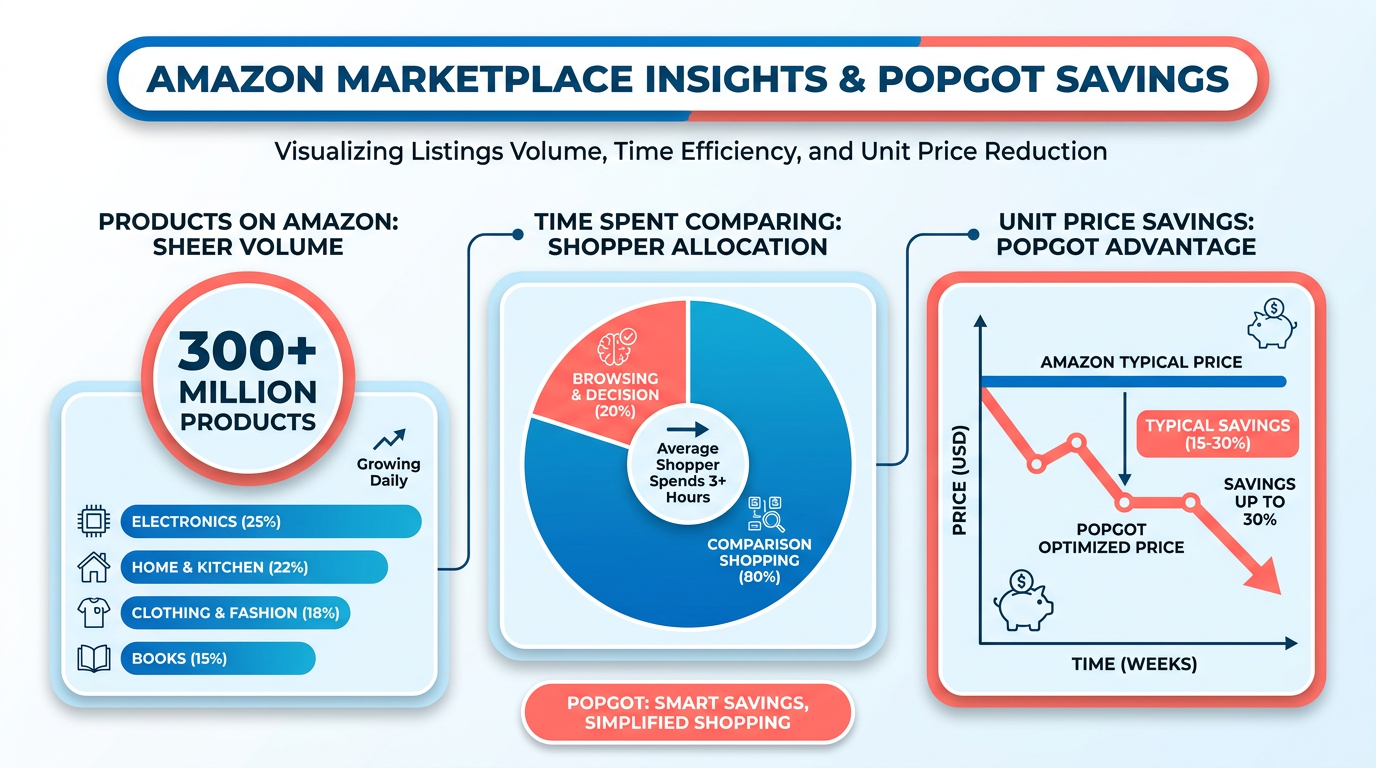
How Does Popgot Solve Common Shopping Pain Points?
Traditional shopping methods force users to manually compare prices across Amazon, Walmart, and Costco, a process that’s both time-intensive and error-prone. Popgot automates this with AI-driven data analysis and human verification, ensuring accuracy. For instance, when comparing cat litter, the platform distinguishes between clumping and non-clumping types while highlighting prices as low as $0.15 per pound Cat Litter | Compare Unit Prices | Popgot. This dual approach prevents errors like mistaking novelty items for functional products-a flaw common in automated systems. Users can define exact requirements, ensuring only relevant products appear. For health-conscious shoppers, Popgot’s filters for organic status, sugar content, and hypoallergenic properties are major advantage. A ketchup buyer can instantly compare organic versus conventional options, seeing unit prices drop to $0.05 per ounce Ketchup | Compare Unit Prices | Popgot. Parents and budget shoppers benefit similarly: diaper comparisons include overnight and multi-cat formulas, while disposable razors are sorted by blade count and unisex suitability Disposable Razors | Compare Unit Prices | Popgot. These features translate to 30–60% savings across categories, from toilet paper ($0.07 per 100 sheets) to dishwasher pods ($0.12 per count) Toilet Paper | Compare Unit Prices | Popgot.
By centralizing comparisons across retailers, Popgot doesn’t just save time-it transforms how consumers make decisions. Instead of settling for the first item that appears, shoppers gain confidence in their choices, knowing they’ve evaluated the best overall, cheapest, and top-rated options side by side. This level of transparency is particularly valuable in categories like pens, where Popgot’s system filters out non-functional novelty items, ensuring only high-quality writing tools are recommended Pens | Compare Unit Prices | Popgot. The platform’s automated data extraction tools further enhance this process by organizing complex product details into clear, actionable insights. In a marketplace where 30% of returns stem from incorrect purchases, the value of tools like Popgot is undeniable. Its ability to parse complex product details-like diaper handle-to-refill ratios or cat litter material composition-turns overwhelming shopping experiences into efficient, informed choices. Whether you’re a parent, a health advocate, or simply looking to stretch your budget, Popgot’s structured comparisons reduce the risk of poor decisions and maximize savings.
How Popgot Simplifies Product Comparison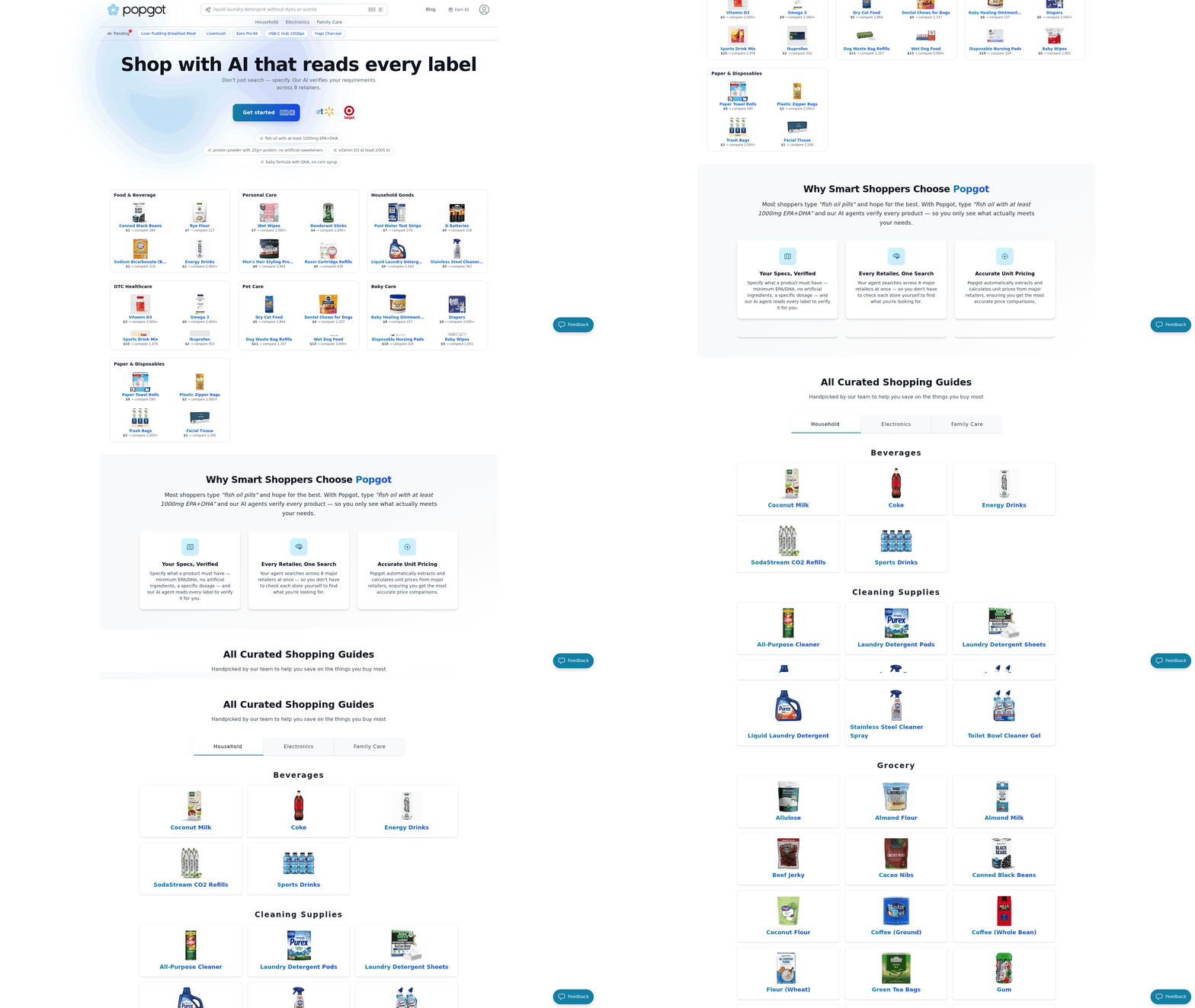
The AI agent acts as a 24/7 shopping assistant, filtering out irrelevant or mislabeled products. For example, when comparing dishwasher pods, it removes laundry detergent listings to avoid confusion, ensuring only compatible items appear in results. This precision is enhanced by users defining exact product requirements, making irrelevant listings easier to exclude.
The system crawls thousands of listings to confirm these details, combining algorithmic efficiency with manual checks for accuracy. Users can sort by “cheapest” or “best overall” to balance cost and quality, a feature that helped one parent save 50% on monthly diaper expenses.
Popgot eliminates the need to switch between Amazon, Walmart, Target, and Costco by aggregating prices in one interface. Take laundry detergent pods, for instance: a comparison across five retailers might reveal a $0.11 per pod deal at Sam’s Club versus $0.15 at a local grocery store. Filters for attributes like “HE compatibility” or “phthalate-free” narrow results instantly, ensuring listings meet specific criteria.
By centralizing these tools, Popgot cuts shopping time by as much as 60%. The time savings add up fast. Instead of spending 30 minutes comparing pen options across retailers, users get filtered results in seconds, with Popgot’s AI already excluding novelty items like light-up pens. For energy drinks, the platform’s ability to standardize units (e.g. 12oz vs. 16oz cans) prevents misleading price tags, a strategy emphasized in the Why Product Comparison Matters On Amazon section to avoid wasting hours sifting through listings.
Using Popgot for Customizable Search Filters
Popgot’s customizable search filters let you define exact product requirements, making it easy to find items that meet your needs. Whether you’re shopping for supplements, household goods, or groceries, you can specify criteria like minimum EPA/DHA content, organic status, or sugar-free options. These filters combine automated analysis with human review to ensure accuracy, saving you 30–60% on purchases by unit price. Here’s how to use them effectively.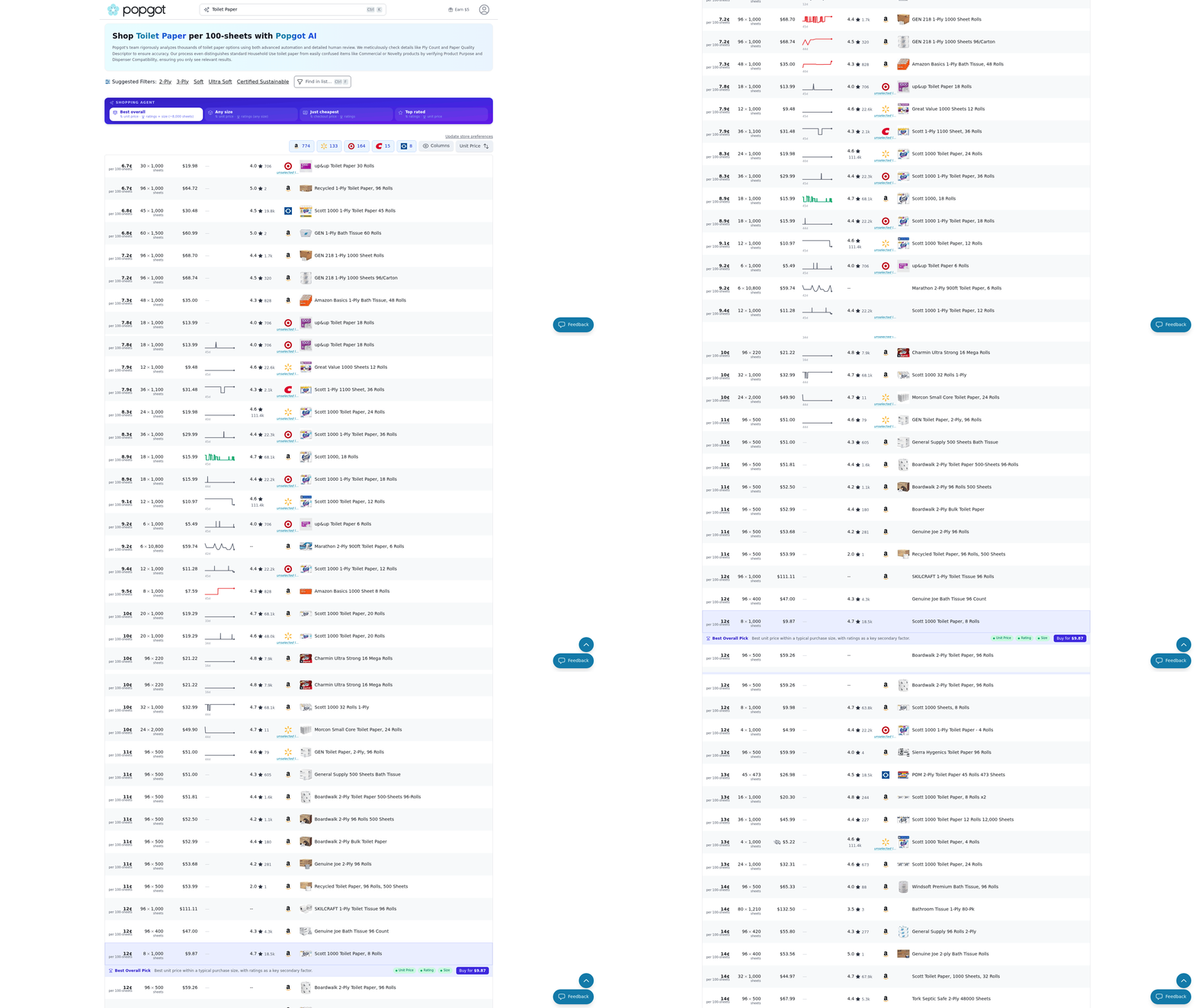
How to Specify Product Requirements
Start by visiting Popgot’s product comparison page for your category (e.g. fish oil, energy drinks, or cat litter). Use the filters panel to set parameters like minimum EPA/DHA content, caffeine levels, or clumping preferences. For example, if you need a fish oil supplement with at least 500mg of EPA/DHA, input this value in the filter. Popgot removes incompatible products and highlights options meeting your criteria, a process detailed in the How Popgot Simplifies Product Comparison section.
The platform also lets you sort results by unit price, ratings, or retailer. Suppose you’re comparing energy drinks with specific ingredients. You can filter for taurine-containing and B-vitamin fortified options, ensuring only relevant products appear. This approach saves time, as Popgot analyzes thousands of listings to surface the best matches.
Examples of Custom Filters in Action
Let’s say you’re looking for a sugar-free energy drink with at least 100mg of caffeine. On Popgot’s energy drink page, enable the sugar-free filter and set the caffeine level to “moderate” (50–150mg). The results will show only drinks meeting both requirements, such as brands with taurine or natural nootropics. Similarly, when shopping for cat litter, you could select clumping, unscented, and multi-cat formulas to narrow results.
For diapers, filters let you specify plant-based materials or overnight sizing, ensuring you find products tailored to your baby’s needs, a concept expanded in the Optimizing Your Shopping Experience with Popgot section. Popgot’s system eliminates irrelevant options-like laundry detergent from the dishwasher pods section-so you only see valid results.
Tips for Narrowing Search Results
- Combine filters: Use multiple criteria, such as organic status + low sugar + 2-ply for toilet paper, to refine results quickly.
- Sort by value: Click “unit price” to see the cheapest options per ounce or count, which is ideal for bulk purchases.
- Check ratings: Sort by “top-rated” to prioritize products with high customer satisfaction, like laundry detergent pods with HE compatibility.
For instance, a parent searching for diapers under $0.15 per count could filter by size 3 and plant-based materials, instantly seeing deals from retailers like Costco or Amazon. Popgot’s filters also support text-based searches, such as “certified sustainable,” to find eco-friendly products.
Real-World Case Studies
A user shopping for laundry detergent pods used Popgot to compare prices across Amazon, Walmart, and Costco. By filtering for phthalate-free and cold water dissolution, they found a $0.11-per-count option, saving 40% compared to traditional methods. Another parent searching for diapers specified overnight sizing and plant-based materials, discovering a 25% discount through Popgot’s unit pricing.
For cat litter, a shopper enabled clumping, unscented, and multi-cat filters, reducing their search from 50+ options to 5 top-rated products. This case study highlights how Popgot’s filters eliminate guesswork, ensuring you find the right product faster.
Data on Popgot’s Effectiveness
Popgot’s filters consistently deliver 30–60% savings by unit price across categories like toilet paper, disposable razors, and ketchup, a benefit emphasized in the Why Product Comparison Matters On Amazon section. The platform analyzes thousands of products using automation and human expertise, ensuring accurate categorization and relevant results. For example, energy drink comparisons show prices as low as $0.01 per fluid ounce, with filters for sugar-free, taurine, and B-vitamin content helping users meet dietary needs.
“Popgot’s automation combined with human review ensures the most accurate and relevant information when shopping,” says the Popgot team. This hybrid approach guarantees that filters reflect real-world product details, giving users confidence in their purchases.
By using Popgot’s customizable search filters, you can save time, reduce costs, and find products that perfectly match your specifications-whether you’re comparing fish oil supplements, dishwasher pods, or organic coffee.
Creating A Professional Comparison Chart with Popgot
Creating a professional comparison chart with Popgot starts by using its automated data extraction and filtering tools. The platform simplifies comparing products like coffee, diapers, or energy drinks by pulling unit prices, ratings, and specifications from multiple retailers. Once you’ve collected this data, you can organize it into a structured format that highlights savings and product quality. Let’s break down the process step by step.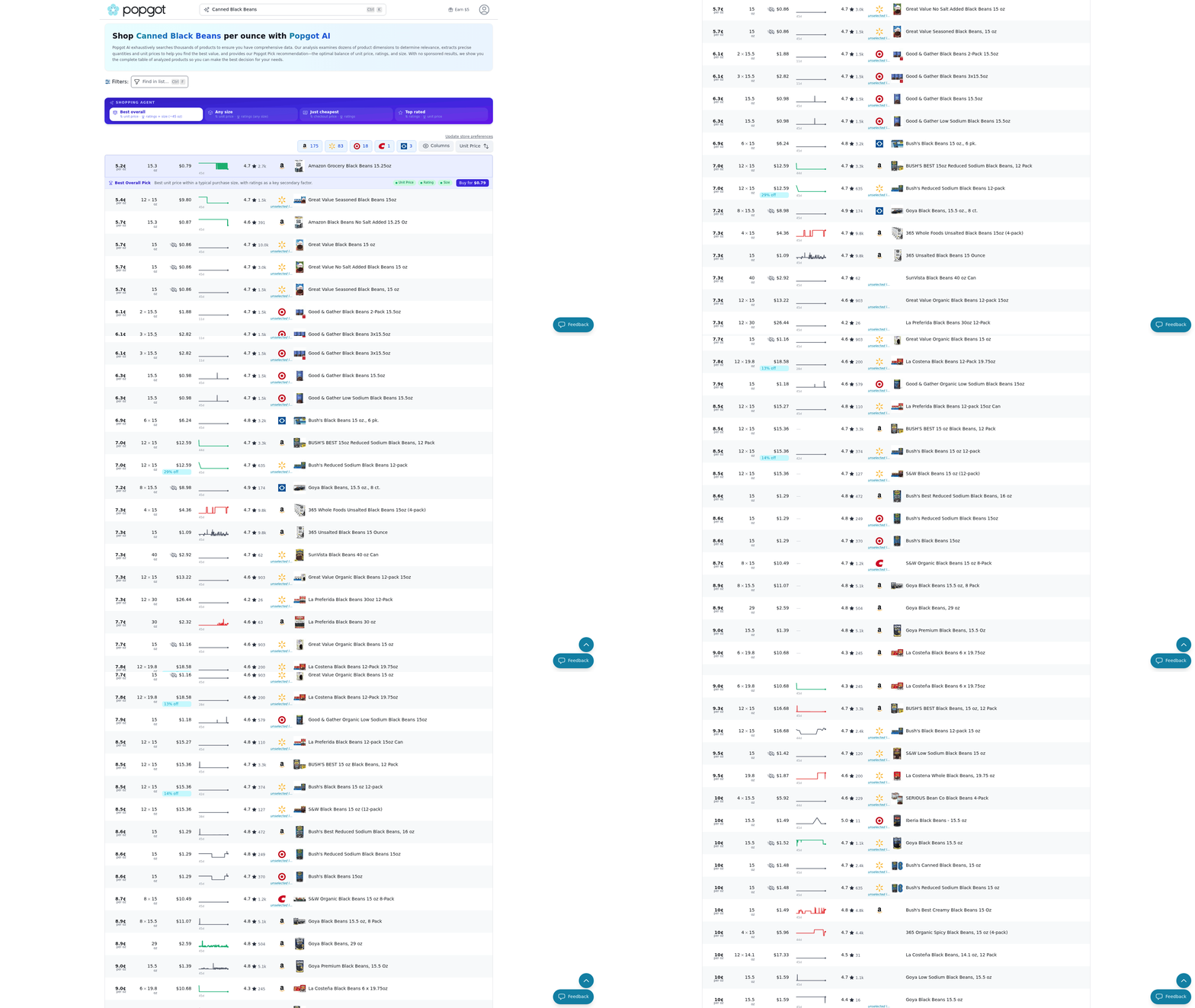
How Do You Extract Data from Popgot’s Search Results?
Popgot automates data collection by scanning thousands of product listings across retailers like Amazon, Walmart, and Costco. To extract data:
- Use filters like unit price, ratings, and product features (e.g. organic status for coffee, HE compatibility for laundry detergent ). These filters, let you define precise criteria for comparisons.
- Click “Compare” to generate a table with key metrics, including unit price, size, and retailer availability.
- Export this data directly into a spreadsheet or use Popgot’s built-in chart tools.
For example, when comparing ground coffee, Popgot displays prices as low as $0.31 per ounce, while energy drink comparisons include filters for caffeine levels and sugar content.
What’s The Best Way to Organize Comparison Data?
Structure your chart to prioritize clarity and actionable insights. Start by aligning columns with your purchasing priorities. For instance:
- Product Name: Use Popgot’s verified product titles to avoid confusion, a practice emphasized in the Essential Amazon Listing Factors to Check with Popgot section.
- Unit Price: Highlight savings with bold formatting for the lowest prices (e.g. $0.07 per 100 sheets for toilet paper ).
- Ratings and Reviews: Include retailer-specific ratings to assess reliability.
- Additional Filters: Add columns for features like “organic” or “scented” based on your needs.
Consider the diaper comparison example: Popgot sorts by size (Newborn to Size 5) and includes columns for price per count and overnight/eco-friendly options. This format lets users see how $0.11 per diaper savings vary by retailer.
How Can You Customize The Chart for Specific Needs?
Popgot’s flexibility lets you tailor charts to your preferences. To refine your comparison:
- Add/Remove Columns: Focus on metrics like “blades per refill” for razors or “ply count” for toilet paper.
- Sort by Criteria: Use drag-and-drop sorting to rank products by price, ratings, or features (e.g. “lowest sugar” for ketchup ).
- Compare Retailers: Highlight price differences between Amazon, Costco, and Target using Popgot’s side-by-side view, a feature explained in the How Popgot Simplifies Product Comparison section.
A user comparing laundry detergent pods added a “phthalate-free” column to prioritize eco-friendly options, while another shopping for pens filtered by “best overall” and “cheapest” to balance quality and cost.
Real-World Impact of Comparison Charts
Users report significant savings by applying Popgot’s structured comparisons. For example:
- A parent saved 30-60% on diapers by identifying the lowest price per count across retailers.
- A household reduced energy drink costs by filtering for $0.01 per fluid ounce deals.
“Comparing prices across multiple retailers has never been easier, thanks to Popgot’s user-friendly interface,” notes a coffee industry expert.
Why Use A Comparison Chart for Informed Decisions?
Comparison charts eliminate guesswork by quantifying savings and product quality. Popgot’s data shows users can save $0.12–$0.50 per unit depending on the product -a difference that adds up over time. Charts also expose hidden costs, like higher prices for “eco-friendly” labels unless explicitly filtered.
By organizing Popgot’s data into a visual format, you gain clarity on which products offer the best value. Whether you’re comparing $0.09 pens or $0.15 cat litter, the result is a streamlined shopping process that saves time and money.
For deeper automation insights, explore how AI tools enhance productivity or time — saving automation strategies.
Essential Amazon Listing Factors to Check with Popgot
When comparing Amazon listings with Popgot, focus on three core factors: product title clarity, description accuracy, and image quality. These elements ensure you get reliable comparisons and avoid misleading listings. Popgot automates checks for these factors while combining human review to flag inconsistencies, saving you time and reducing risk. Let’s break down how to use Popgot to verify each.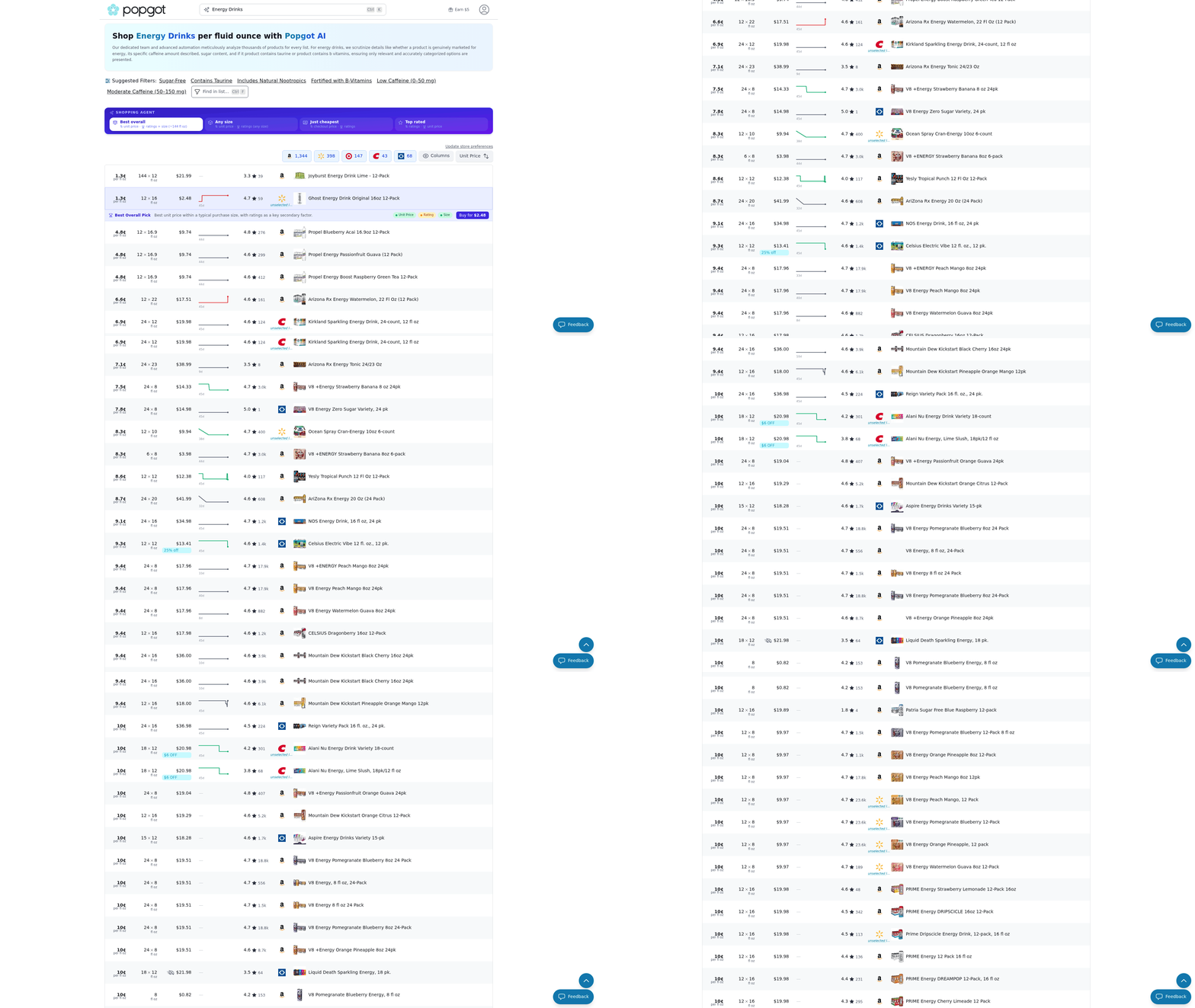
How Do You Verify Product Titles with Popgot?
A product title should clearly state the item’s name, key attributes, and brand. Popgot scans titles for clarity and relevance, filtering out vague or misleading listings. For example, when comparing ground coffee (Popgot Coffee Comparison), Popgot ensures titles specify roast level, grind size, and organic status. If a title says “Premium Coffee” without details, Popgot flags it as low-quality. Users can click through to see whether titles align with their needs, reducing guesswork.
Why Should You Analyze Product Descriptions?
Product descriptions often hide critical details, but Popgot cross-references them with technical specifications. For laundry detergent pods (Popgot Laundry Pods), Popgot checks descriptions for HE compatibility, scent, and dissolving speed. If a listing claims “works in cold water” but lacks HE compatibility, Popgot highlights this mismatch. Users can then prioritize products with verified, detailed descriptions. A 2023 Popgot case study showed users saved 30-60% by avoiding ambiguous listings, aligning with the cost — saving strategies detailed in the Optimizing Your Shopping Experience with Popgot section.
How Do Product Images Impact Your Decision?
Clear, high-resolution images are essential for assessing product quality. Popgot automatically filters out listings with blurry, low-light, or stock photos, a feature enhanced by the customizable search filters discussed in the Using Popgot for Customizable Search Filters section. For disposable razors (Popgot Razors), Popgot ensures images show blade count, handle design, and packaging. If a product lacks multiple angles or hides key features, it’s ranked lower. One user reported avoiding a counterfeit razor brand after Popgot flagged its generic logo and poor image quality, a common red flag for fake products.
What Red Flags Should You Watch For?
Popgot helps identify fake reviews and low-quality products by analyzing patterns. For energy drinks (Popgot Energy Drinks), Popgot cross-references reviews with unit prices. If a product has a 5-star rating but costs $0.01/ounce (far below market average), it may signal fake reviews. Similarly, cat litter listings (Popgot Cat Litter) with overly positive reviews but no images of the product in use are flagged. Popgot’s system reduces the risk of falling for misleading promotions.
Can You See Real-World Examples of Popgot’s Impact?
Consider a parent comparing diapers (Popgot Diapers). By sorting by unit price and filtering by size (e.g. “Size 3”), they found a $0.11/count option with 4.8-star ratings-50% cheaper than a top-branded competitor. Another example: a homebuyer using Popgot for toilet paper (Popgot Toilet Paper) discovered a 3-ply, eco-certified brand at $0.07/100 sheets, saving $50 annually. These cases show how Popgot’s structured filters and automated checks turn overwhelming choices into actionable insights.
By prioritizing title clarity, description accuracy, and image quality, Popgot ensures you avoid common Amazon pitfalls. Its blend of automation and human review not only saves time but also builds confidence in your purchasing decisions. Whether you’re shopping for everyday items or niche products, these factors-verified through Popgot’s tools-help you focus on what matters: value and quality.
Optimizing Your Shopping Experience with Popgot
Optimizing your shopping experience with Popgot starts by using its curated shopping guides, which streamline product research by filtering out irrelevant options and highlighting the best deals. These guides use a mix of automation and human expertise to ensure accuracy, saving users time while maximizing savings. For example, when comparing ground coffee, Popgot narrows results by roast level, grind size, and organic status, letting you find $0.31-per-ounce deals with just a few clicks Coffee (Ground) | Compare Unit Prices | Popgot. The same logic applies to products like diapers, energy drinks, and cat litter, where filters for size, ingredients, and material help you zero in on the best options without sifting through hundreds of listings. These guides eliminate the need for manual price verification and cross-checking by automating tedious tasks.
How Do Curated Shopping Guides Save Time?
Curated shopping guides act as pre-vetted shortcuts to the best products. Popgot’s system crawls thousands of listings to remove low-quality or mismatched items-like filtering out laundry detergent when you’re searching for dishwasher pods Dishwasher Pods / Sheets | Compare Unit Prices | Popgot. This eliminates guesswork. For instance, when comparing disposable razors, the platform sorts options by blade count and gender-specific designs, ensuring you see only relevant products Disposable Razors | Compare Unit Prices | Popgot. Users report saving 30-60% by relying on these guides, as Popgot surfaces deals like $0.12-per-count dishwasher pods or $0.07-per-100-sheets toilet paper Toilet Paper | Compare Unit Prices | Popgot.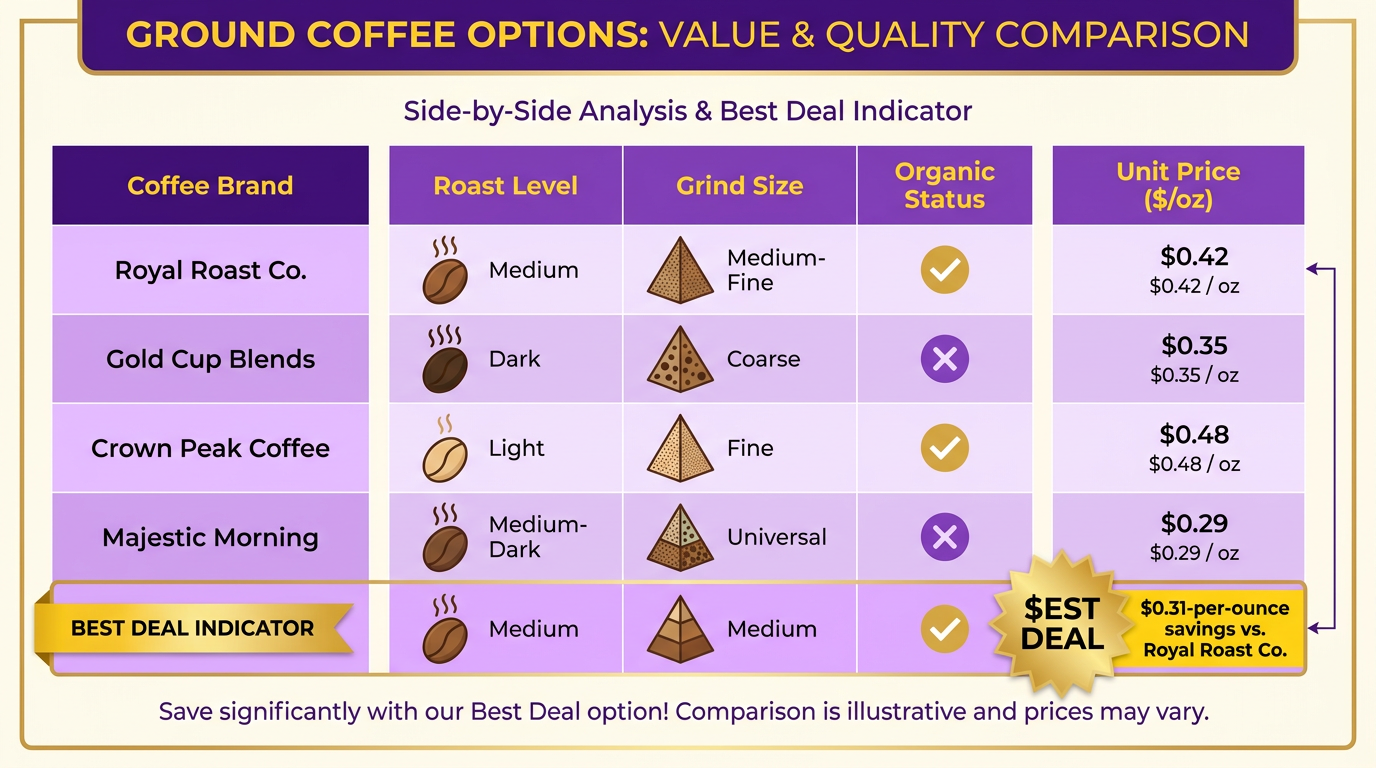
What Makes The Interface User-Friendly?
Popgot’s interface prioritizes speed and clarity. Sorting options like unit price, ratings, and size appear prominently, allowing quick comparisons. For energy drinks, you can filter by caffeine levels (low or moderate) or ingredients like taurine and B-vitamins, uncovering $0.01-per-ounce deals Energy Drinks | Compare Unit Prices | Popgot. The platform also avoids clutter by hiding irrelevant details-such as excluding novelty pens when you search for functional writing tools Pens | Compare Unit Prices | Popgot. These sorting tools let users define exact requirements, ensuring results align with their preferences. One user noted, “Comparing prices across multiple retailers has never been easier, thanks to Popgot’s user-friendly interface” [Coffee Industry Expert].
How Can You Maximize Rewards Through The Referral Program?
While Popgot’s referral program details aren’t explicitly listed, users can enhance engagement by sharing unique referral links with friends or family. For example, inviting others to explore Popgot’s ketchup comparisons — where organic or low-sugar options drop to $0.05 per ounce Ketchup | Compare Unit Prices | Popgot-can earn both parties rewards. To amplify results, focus on product categories with high savings potential, like laundry detergent pods (as low as $0.11 per count Laundry Detergent Pods | Compare Unit Prices | Popgot) or cat litter ($0.15 per pound Cat Litter | Compare Unit Prices | Popgot).
Real-World Success Stories
Popgot users consistently report time and cost savings. A parent using the diaper comparison tool found $0.11-per-count deals by filtering by size and material, cutting weekly grocery shopping time by 40% Diapers | Compare Unit Prices | Popgot. Similarly, a household saved $50 monthly on energy drinks by using Popgot’s caffeine and sugar filters to find budget-friendly options. These outcomes align with Popgot’s claim that users save 30-60% by shopping based on unit price-a metric applied across all 10+ product categories the platform supports. Structured evaluation of options is critical in a market with over 300 million products, and Popgot’s approach addresses this need directly.
By combining curated guides, intuitive filters, and referral incentives, Popgot transforms the shopping process into a data-driven, time — saving experience. Whether you’re comparing pens, diapers, or cat litter, the platform’s focus on unit prices and product accuracy ensures you spend less and gain more.
References
[1] Coffee (Ground) | Compare Unit Prices | Popgot - https://popgot.com/ground-coffee
[2] Dishwasher Pods / Sheets | Compare Unit Prices | Popgot - https://popgot.com/dishwasher-pods
[3] Toilet Paper | Compare Unit Prices | Popgot - https://popgot.com/toilet-paper
[4] Pens | Compare Unit Prices | Popgot - https://popgot.com/pens
[5] Diapers | Compare Unit Prices | Popgot - https://popgot.com/diapers
[6] Energy Drinks | Compare Unit Prices | Popgot - https://popgot.com/energy-drinks
[7] Laundry Detergent Pods | Compare Unit Prices | Popgot - https://popgot.com/laundry-detergent-pods
[8] Ketchup | Compare Unit Prices | Popgot - https://popgot.com/ketchup
[9] Cat Litter | Compare Unit Prices | Popgot - https://popgot.com/cat-litter
[10] Disposable Razors | Compare Unit Prices | Popgot - https://popgot.com/disposable-razors
Frequently Asked Questions
1. What is Popgot and how does it help with Amazon shopping?
Popgot is an Amazon product comparison tool that filters over 300 million items by unit price, ratings, and attributes. It helps shoppers save time by identifying optimal products, such as ground coffee at $0.31 per ounce or plant-based diapers at $0.11 per count.
2. How does Popgot save time when comparing products?
Popgot automates price verification, specification cross-checking, and attribute filtering. This eliminates guesswork, reducing hours of manual searching to seconds. For example, it quickly identifies HE-compatible laundry detergent or organic coffee options.
3. Can you give an example of Popgot’s filters in action?
For ground coffee, Popgot filters by roast level, organic status, and unit price (e.g. $0.31 per ounce). This helps buyers find affordable, high-quality options without sifting through irrelevant listings.
4. What risks come from ignoring product comparisons?
Skipping comparisons may lead to health risks (e.g. allergic reactions from non-plant-based diapers), financial waste, or poor product performance. Popgot mitigates these by prioritizing verified attributes like size, material, and ratings.
5. How does Popgot handle product attributes like organic status?
Popgot lets users filter by specific attributes such as organic certification, size ranges, or HE compatibility. For example, it isolates phthalate-free laundry pods or cold-water dissolving detergents for precise, need-driven searches.
6. How accurate are Popgot’s unit price comparisons?
Popgot calculates unit prices in real-time, ensuring accuracy. Diapers, for instance, are priced at $0.11 per count when filtered by size and plant-based materials, helping shoppers spot true bargains.
7. How does Popgot help choose laundry detergent?
Popgot verifies HE compatibility, unit pricing, and dissolving efficiency. It flags only relevant options like phthalate-free pods or cold-water formulas, preventing machine damage and ensuring effective cleaning.