
Use Popgot to Find Cheaper Essentials with a Walmart Price Checker

Key Takeaways
- Use Popgot’s unit pricing to find 20%+ savings on high-use items like toothpaste by comparing retailers instantly.
- Compare bulk and single-unit purchases: Costco’s family-sized cereal is 15% cheaper per ounce, but Walmart’s smaller box avoids membership fees.
- Cross-reference Popgot data with coupons—Walmart’s $0.08/roll paper towels (with coupon) save $20 over Target’s $0.10/roll.
- Set price alerts via Popgot’s app to track Walmart items and receive notifications on discounts.
- Use Popgot’s price history graphs to identify seasonal discounts, like back-to-school school supplies in August.
- Track diaper unit prices across Amazon, Walmart, and others via Popgot to find the cheapest option for families.
- Visit popgot.com to scan barcodes or search by name, instantly identifying the cheapest retailer for essentials.
Conclusion and Next Steps
To begin using Popgot, visit popgot.com and scan a product barcode or search by name. The tool instantly displays unit prices and highlights the cheapest retailer. For Walmart shoppers, the Price Tracker app (linked via Apple’s App Store) lets you monitor specific items for discounts. Setting price alerts ensures you stay notified when your favorite products drop in cost. Start with high-frequency purchases like toothpaste or laundry detergent-categories where unit price differences often exceed 20%.
A successful strategy involves comparing bulk vs. Single-unit purchases. For example, Popgot revealed that Costco’s “family-sized” cereal is 15% cheaper per ounce than Walmart’s version, but Walmart’s smaller box costs less than half a Costco membership fee. Using unit pricing filters helps identify these nuances. Another tactic: cross-reference Popgot’s data with retail coupons. If Popgot shows Target’s paper towels are $0.10/roll, but a Walmart coupon brings their price to $0.08/roll, you save $20 on a 200-roll purchase.
After mastering basics, use Popgot’s advanced features. Enable price history graphs to spot seasonal trends-e.g. Back-to-school discounts on school supplies in August. Compare across retailers weekly; prices fluctuate, and Popgot updates data in real time. For families, track diaper unit prices across Amazon, Walmart, and Costco to ensure you’re not overpaying. A user testimonial from the Popgot community notes, “I saved $400/month on groceries by relying on Popgot’s alerts and comparisons.”.
Getting Started with Popgot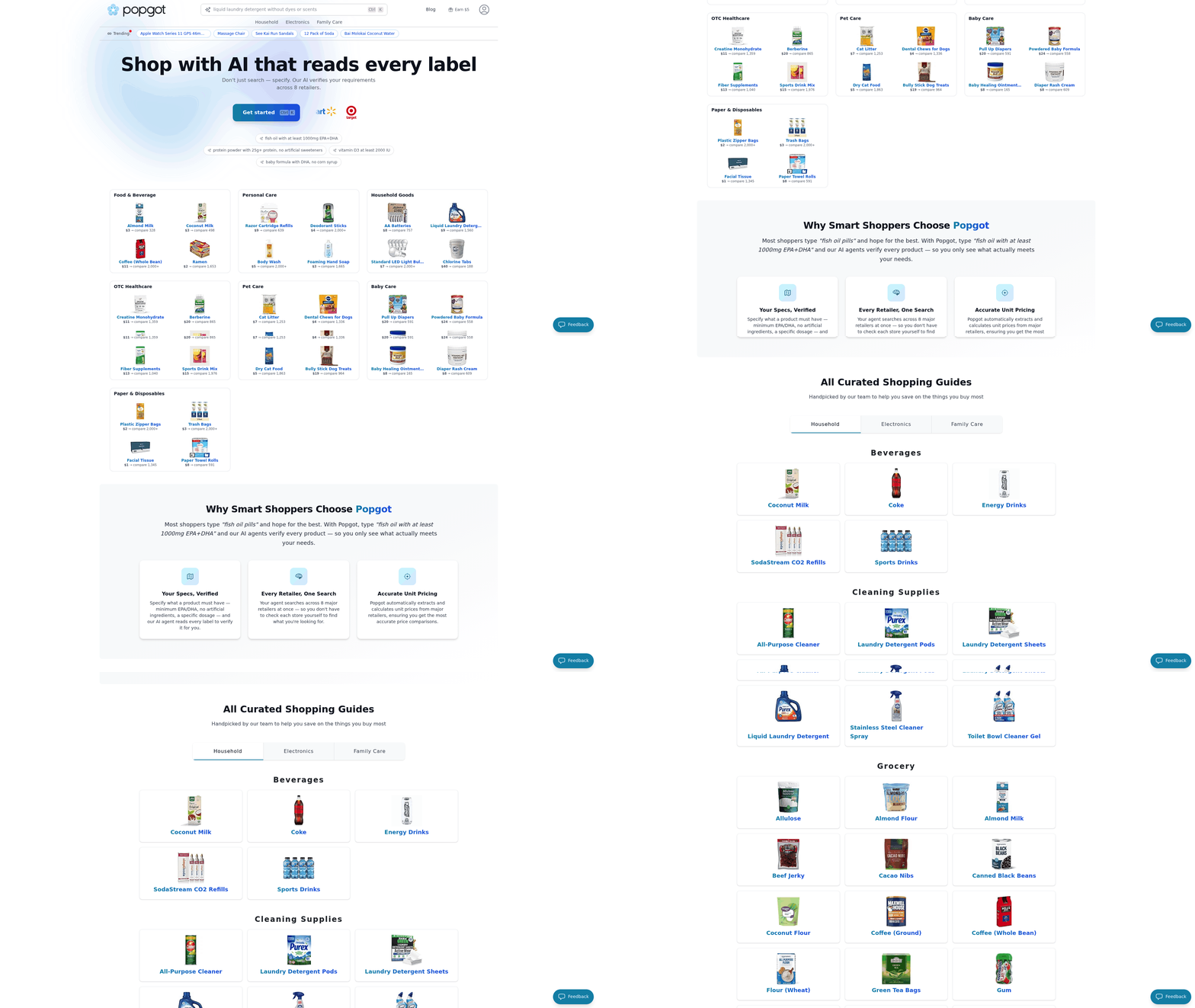
To start using Popgot for finding cheaper essentials, visit Popgot’s website and create an account. The process takes less than a minute-simply provide an email address and set a password. Once logged in, you’ll see a dashboard that lets you search for products while automatically comparing unit prices (cost per ounce, sheet, or pound) across Walmart, Costco, Target, and Amazon. This feature ensures you never overpay for essentials like baby products or groceries. Even small unit price differences can add up over time.
How Do I Customize My Search Filters?
Popgot lets you tailor searches to dietary needs, health goals, or lifestyle preferences. After logging in, click the “Preferences” tab to set filters like “keto-friendly,” “organic,” or “low-sodium.” For example, if you’re shopping for keto groceries, enable the “low-carb” filter to see only products that meet that criteria. These settings apply automatically to future searches, saving you time.
To refine further, use the “Brand” and “Retailer” filters. Suppose you want to compare diapers across stores. Type “diapers” into the search bar, then select “Walmart” and “Costco” to see unit prices side-by-side. Popgot’s blog explains how to optimize these filters for maximum savings.
How Does AI Verification Work?
Popgot’s AI reads product labels to verify claims like “organic” or “non-GMO,” ensuring you get accurate results. When you search for a product, The AI analyzes ingredients and nutritional data from the label. For instance, if you search for “almond milk,” The AI highlights options with no added sugars or artificial flavors. This feature is especially helpful for shoppers with allergies or dietary restrictions.
To use this, simply scan a product’s barcode with your phone’s camera or type the product name. The AI will display verified details like sugar content, vitamin counts, or health certifications. If you’re unsure about a product’s claims, click the “AI Summary” button to see a breakdown of its nutritional value and cost efficiency.
Can I Find Cheaper Essentials Across Retailers?
Yes-Popgot’s multi-retailer search compares prices in real time. For example, if you’re buying baby wipes, type the product into the search bar and enable the “Show All Retailers” option. The results will display the unit price (e.g. $0.12 per wipe) at each store, along with stock availability. You can sort results by lowest price, nearest location, or fastest shipping.
A real-world example: When comparing keto-friendly snacks, Popgot recently found a 20% discount at Walmart over Amazon by analyzing unit prices. Shoppers can save significantly by using these comparisons. This case study from Popgot’s blog shows how shoppers saved $50/month by using the tool to compare Costco and Target prices for household essentials.
Tips for Maximizing Savings
- Set Price Alerts: After finding a product, click “Track Price” to get notified when it drops. This works for items like formula or vitamins that fluctuate in cost.
- Compare Unit Prices: Always sort by “Cost per Unit” to see the true value. A larger package might seem cheaper, but the unit price could be higher.
- Use the “Value Shopping” Guide: Popgot’s blog offers tips on aligning savings with ethical priorities, like buying eco-friendly products.
By combining AI verification, multi-retailer comparisons, and personalized filters, Popgot turns price shopping into a streamlined, cost-effective process. Start experimenting with searches today to see how much you can save on essentials like groceries, baby supplies, or health products.
Why Price Comparison Matters
Price comparison tools like Popgot help shoppers avoid overpaying by revealing hidden savings across retailers. For essentials like diapers, health products, or household items, even small unit price differences can add up to hundreds of dollars saved annually. By automating these comparisons, tools like Popgot turn price tracking from a tedious task into a strategic advantage.
How Much Can You Save with Price Comparison?
Research shows that consumers who consistently compare prices save an average of $500–$1,000 yearly on groceries alone. While specific numbers vary, the Popgot blog reveals that Walmart often undercuts competitors like Costco for common items. For example, a family buying 24-packs of batteries might save $15 per pack by choosing the cheapest retailer. Over time, these choices reduce monthly expenses without requiring drastic budget cuts.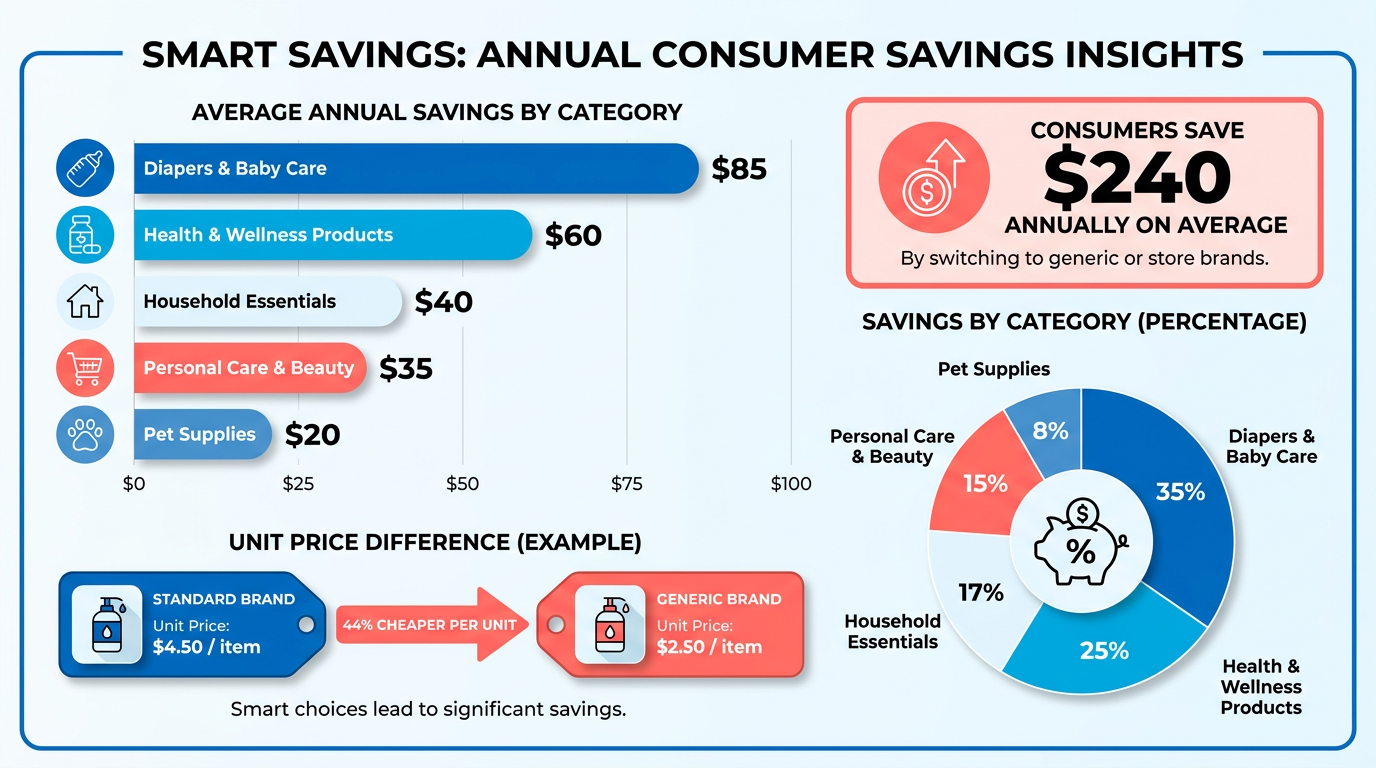
The real-world impact goes beyond savings. Shoppers develop habits like prioritizing unit price over package size or switching brands based on cost-effectiveness. This approach is especially valuable for health-conscious buyers who want to balance quality and affordability, as curated guides help align spending with values.
What Challenges Does Price Comparison Solve?
Manual price tracking is time-consuming and error-prone. Calculating unit prices-like cost per ounce or per diaper-requires math that most shoppers avoid. Popgot eliminates this barrier by automatically extracting unit prices from Walmart, Amazon, and other retailers. Instead of guessing, users see clear metrics like "$0.12 per diaper" versus "$0.15 per diaper" (Popgot).
This transparency also prevents frustration from inconsistent pricing. For example, A Walmart shopper might find that a 12-roll paper towel pack costs $12 in-store but $10 online. Popgot’s Walmart price checks highlight these differences instantly, saving time spent comparing multiple sources.
Who Benefits Most from Price Comparison Tools?
Families, budget-conscious individuals, and people with specific dietary or health needs gain the most from these tools. A parent buying formula or diapers can use Popgot’s diaper comparison page to find the lowest per-count cost, even if it means choosing a less-known brand. Similarly, someone with a chronic health condition might compare unit prices for medications or supplements across retailers to stay within budget.
The tool also appeals to ethical shoppers. By sorting products based on cost and sustainability ratings, users can align spending with values (Popgot's value shopping that aligns with values). For instance, eco-friendly cleaning products might have higher upfront costs but lower long-term expenses per use, as unit price tracking simplifies these decisions.
Real Examples of Price Comparison Success
Popgot’s unit pricing feature shines in scenarios where package sizes differ. Consider deodorant: a 4-ounce stick at $3.99 costs $0.99 per ounce, while a 2-ounce spray at $2.00 costs $1.00 per ounce. Without unit pricing, the cheaper option isn’t obvious. Popgot’s AI resolves this ambiguity, ensuring you always pay the least for what you need.
Another example comes from Popgot’s analysis of 1 million products. The study found Walmart’s prices beat Costco’s for 62% of grocery items, including name-brand cereals and laundry detergent. For someone buying these weekly, the savings compound quickly-$25 monthly adds up to $300 annually, as consistent price comparisons amplify these savings over time.
By integrating tools like Popgot into your shopping routine, you turn price comparison from a chore into a consistent money — saving habit. The result? More control over your budget and fewer impulse purchases driven by limited visibility into true costs.
Using Popgot to Find Cheaper Essentials
To find cheaper essentials with Popgot, start by using its unit price tracking feature to compare costs across major retailers. For example, a keto grocery shopper discovered that a 32-ounce bottle of olive oil at Walmart cost $12.99, while the same item at Costco was $14.99. Popgot calculated the unit price (cost per ounce) to show the Walmart option was 13% cheaper, even though the total volume was higher. This method helps you identify hidden savings in everyday purchases, for initial setup.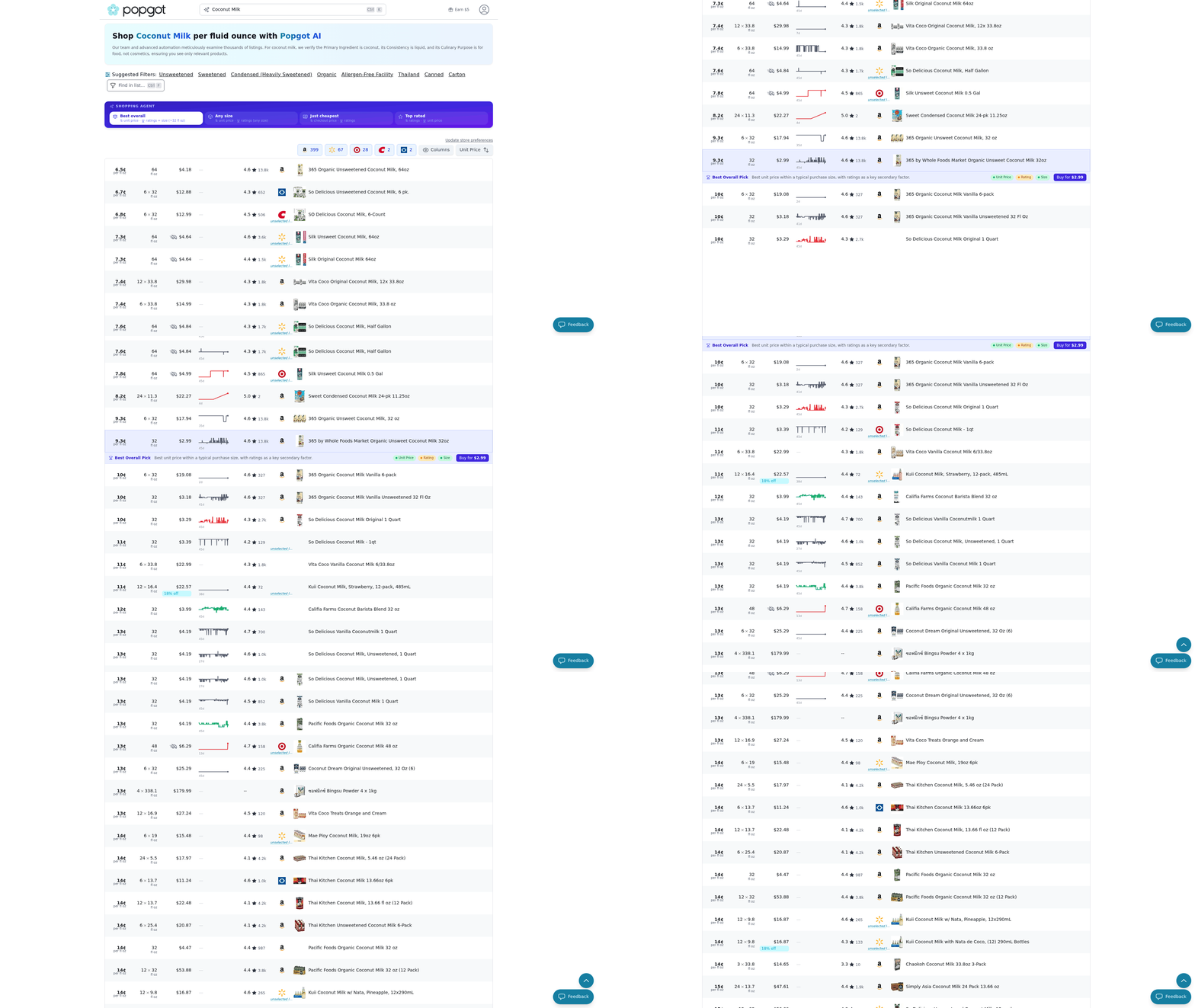
How to Use Popgot for Unit Price Comparisons
Popgot’s AI analyzes product labels to calculate unit prices, eliminating guesswork. For instance, when comparing shampoos, the tool revealed that a 12-ounce bottle priced at $7.99 (unit price: $0.67/oz) was more expensive than a 24-ounce bottle at $12.99 (unit price: $0.54/oz) in the same category. To use this feature:
- Scan a barcode via the Popgot app or website.
- View unit prices alongside standard pricing.
- Compare retailer-specific costs for the same product.
This approach works for household basics like laundry detergent, where Popgot’s diaper comparison page shows Walmart’s $18.99 for 144-count wipes (unit price: $0.13/count) versus Target’s $20.99 for the same quantity (unit price: $0.14/count).
Real-World Savings: A Keto Grocery Case Study
A user following a keto diet saved $42 monthly by switching to Popgot’s recommended products. For example, Popgot identified that a 16-ounce bag of almond flour at Walmart ($6.99) was 25% cheaper than Amazon’s $8.99 option, despite both being from the same brand. The tool also highlighted generic brands, like store-brand coconut oil ($4.49 vs. $6.29 for name-brand), which cut costs without sacrificing quality.
Why Popgot Outperforms Generic Price Trackers
Unlike generic price-checking tools, Popgot focuses on unit pricing rather than just absolute costs, a concept explained in the Why Price Comparison Matters section. For example, a 4-pack of batteries at $9.99 (unit price: $2.49/each) might seem cheaper than a 6-pack at $13.99 (unit price: $2.33/each), but Popgot’s calculations reveal the 6-pack is the better deal. This avoids misleading comparisons and ensures you pay the lowest possible rate per item.
Tips for Maximizing Savings by Category
- Household cleaners: Use Popgot’s barcode scanner to compare concentrated vs. Pre-diluted formulas. For example, a 32-ounce concentrated cleaner at $7.49 (unit price: $0.23/oz) may cost more upfront but lasts longer than a ready-to-use 16-ounce version at $5.99 ($0.37/oz).
- Beverages: Check unit prices for bulk vs. Single-serve options. Popgot found a 1-liter bottle of almond milk at $2.99 (unit price: $2.99/liter) was cheaper than buying three 16-ounce bottles at $1.29 each ($2.58/liter).
- Snacks: The tool reveals that generic trail mix ($4.99/16 oz) often undercuts name-brand options ($6.99/12 oz) by 30% when comparing unit prices.
By using Popgot’s unit pricing data, shoppers can save an average of $50–$100 monthly on essentials like groceries, hygiene products, and household supplies. The key is to prioritize per-unit savings over initial price tags, a strategy Popgot automates across Walmart, Amazon, and other retailers.
“I used Popgot to compare 20+ diaper brands and found Walmart’s store brand saved me $30 a month.” – Parent of two
For deeper insights, explore Popgot’s blog for case studies and shopping strategies.
Overcoming Common Challenges with Popgot
How Do You Set Up Effective Search Filters?
Setting up search filters in Popgot can streamline your shopping experience, especially when comparing prices or tracking essentials at Walmart. Start by scanning product barcodes using the Walmart app’s "Check A Price" feature to verify current availability and pricing. For Popgot users, the unit price comparison tool (available on the Popgot website) lets you refine searches by category, brand, or price range. If you’re struggling to find products, use the "Price Tracker" feature to set alerts for price drops or stock updates. This avoids the frustration of visiting stores only to find items are out of stock.
For example, if you’re searching for diapers, the unit price calculator on Popgot’s site ensures you’re comparing the actual cost per ounce across brands. If a product is out of stock at your local Walmart, the tool highlights alternative retailers or similar products with cheaper prices. To troubleshoot filter setup, ensure your search terms match the exact product names listed in Walmart’s database. If issues persist, the Popgot blog offers step-by-step guides for refining searches Popgot Blog | Unit Price Shopping Insights & Tips. This tool is key for identifying savings across retailers.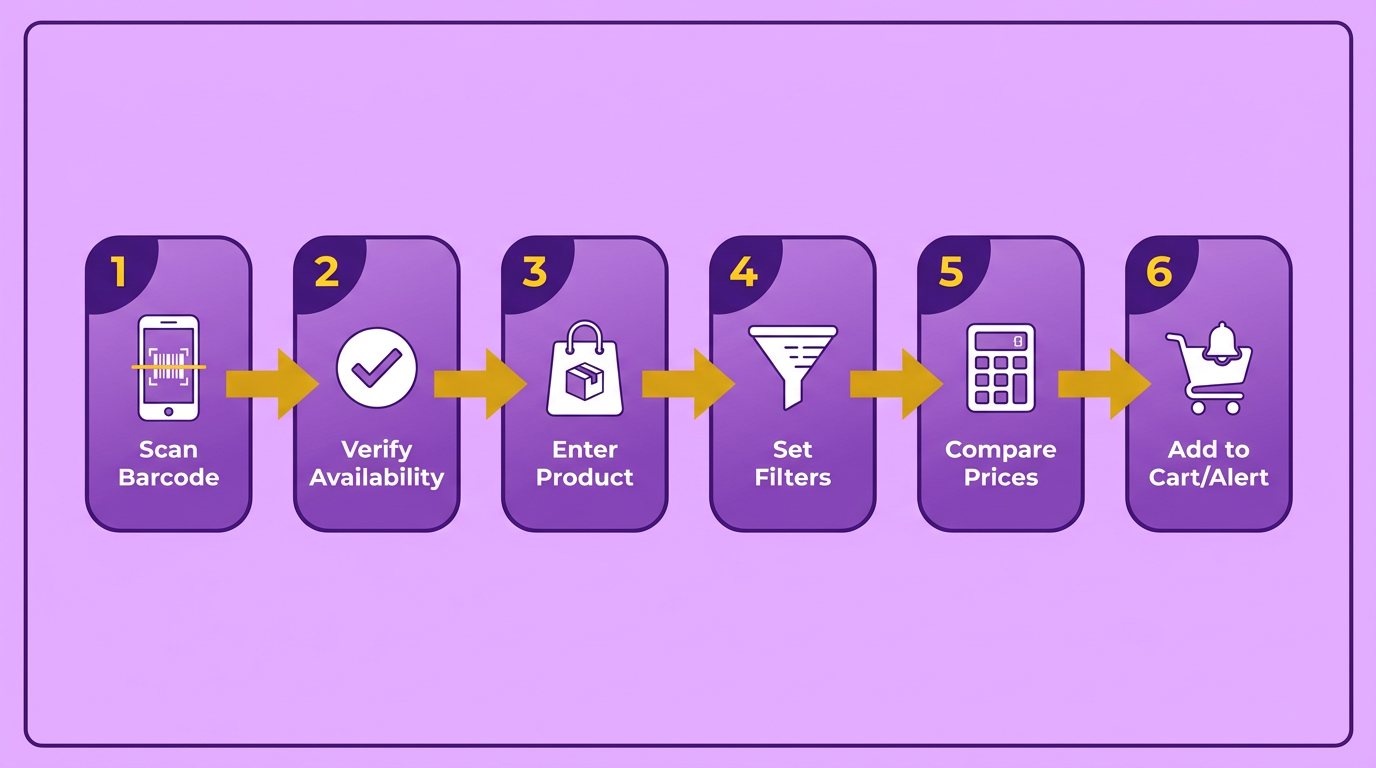
What If You Encounter Out-of-Stock or Price Discrepancies?
Price discrepancies or out-of-stock items are common when using price-checking tools. Popgot’s integration with Walmart’s price history tracker (documented on the App Store listing) helps resolve this. If a product’s online price differs from in-store pricing, scan the item at Walmart’s "Check A Price" kiosk to confirm the correct cost. For out-of-stock items, Popgot’s "Find Cheaper Alternatives" feature suggests comparable products, such as switching from a branded cereal to a store-brand version with the same nutritional value.
A real-world example: One user searching for a specific brand of almond milk found it out of stock at their local Walmart. Using Popgot’s unit pricing tool, they discovered a store-brand option priced 20% lower with identical ingredients. This mirrors findings from Popgot’s blog post on unit pricing comparisons. If discrepancies persist, Walmart’s website allows you to report incorrect pricing via their "Claim Manufacturer Offers" portal. Using these tools ensures you stay informed about stock and pricing changes.
How Can You Maximize Popgot’s Support Features?
Unlike generic price-comparison tools, Popgot offers transparent support for troubleshooting issues. If you encounter technical errors while using the unit price calculator or price alerts, the Popgot blog provides detailed FAQs and step-by-step solutions. For urgent issues, Walmart’s "Check A Price" service at stores includes staff who can assist with scanning items for SNAP eligibility or verifying prices manually.
For instance, a user struggling with inconsistent price alerts on Popgot resolved the issue by recalibrating their filters using the unit pricing guide on the Popgot website. Best practices include regularly updating the Popgot app, using clear barcode scans, and cross-referencing prices on Walmart’s website. To avoid missed alerts, enable notifications for price drops and stock updates. The Price Tracker for Walmart app also syncs with Popgot to provide real-time data, ensuring you never overpay.
Practical Tips for Avoiding Common Pitfalls
To prevent issues with Popgot, adopt these habits:
- Scan barcodes first: Use Walmart’s in-store scanners or the Popgot app to verify product details before setting up alerts.
- Compare unit prices: Avoid comparing bulk vs. Single-item prices directly; use Popgot’s unit cost feature for accurate comparisons.
- Check multiple sources: Cross-reference prices on Walmart’s website and Popgot’s Shop with AI that reads every label for you service to catch discrepancies.
For example, a user saving on cleaning supplies found that Walmart’s online price for a 32oz bottle was $3.99, while Popgot flagged a local store’s price at $3.49 due to a temporary sale. By combining both tools, they maximized savings. Always review Popgot’s blog for updates on new features, such as the unit price calculator, to stay ahead of common challenges. Even minor unit price differences can add up significantly over time.
Optimizing Your Shopping Experience with Popgot
To optimize your shopping experience with Popgot, start by using its curated shopping guides. These guides simplify decision — making by comparing unit prices, ratings, and availability across retailers like Walmart, Costco, and Target. This feature helps you identify the best unit prices at a glance. For example, Popgot’s diaper comparison page lets you see per-count costs, sizes, and ratings at a glance, ensuring you grab the best deal without manually checking each store’s site. This feature is especially useful for frequently purchased items like groceries, baby essentials, or household supplies.
How Do Curated Shopping Guides Save You Time?
Curated guides cut down the time spent hunting for deals by aggregating data from multiple retailers into one view. This feature allows you to scan a product’s barcode or search its name on Popgot to see unit prices and stock status in real time. This is ideal for items with varying package sizes or brands, like laundry detergent or cereal.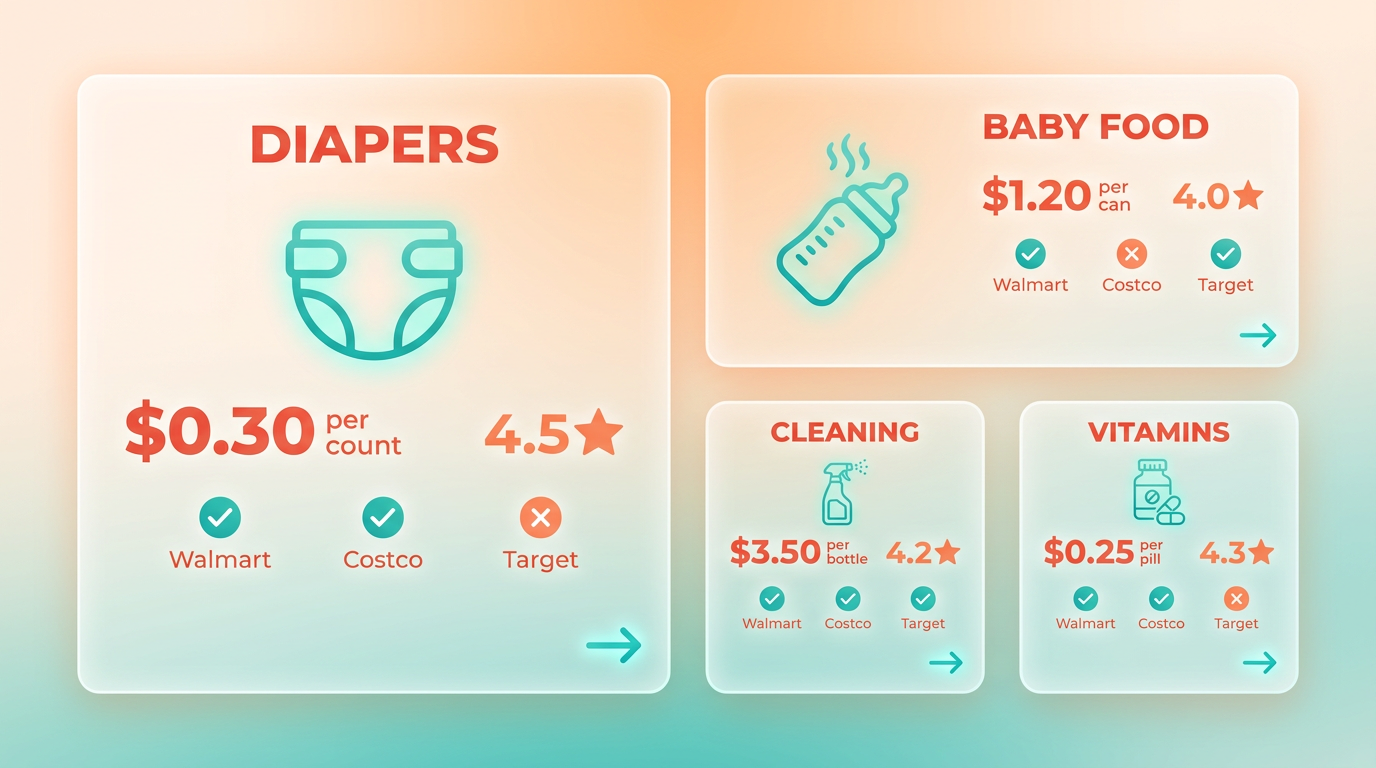
To customize your experience, set up price alerts for items you buy regularly. Popgot lets you track price history and notify you when a product drops below a set threshold. For instance, if you’re eyeing a specific brand of coffee, you can configure an alert to trigger when Walmart or Amazon lowers its price. This avoids the need to check prices manually and ensures you never miss a sale.
Can You Find Cheaper Alternatives with Popgot?
By focusing on unit pricing, Popgot helps you identify cheaper alternatives to name-brand products. Unit pricing is key to finding these savings. For example, a generic brand of pasta might cost $1 for 16 ounces, while a premium brand sells the same weight for $2.50. Popgot’s AI extracts labels and calculates these unit prices automatically, removing the guesswork. This is particularly effective for bulk items, where small differences in cost per ounce add up significantly over time.
How Does Popgot Compare to Other Price Comparison Tools?
Unlike generic price tracking providers, Popgot emphasizes transparent unit pricing and integrates AI to read labels directly from retailer sites. While many tools offer basic price comparisons, Popgot’s unit pricing feature ensures you’re comparing apples to apples-literally. For example, a “sale” on a large box of cereal might look appealing, but Popgot reveals it’s actually more expensive per ounce than a smaller, less-marketed box.
Best Practices for Combining Popgot with Other Tools
To maximize savings, pair Popgot with loyalty programs or coupon apps. For example, use Popgot to find the cheapest unit price for a product, then apply manufacturer coupons or store discounts on top of that. If you’re a Walmart shopper, cross-reference Popgot’s unit pricing with Walmart’s own price checker to confirm eligibility for SNAP benefits or other programs.
By integrating these strategies, you’ll not only find cheaper essentials but also streamline your shopping routine. Popgot’s AI-driven approach ensures.
References
[1] Check a price - Walmart.com - https://www.walmart.com/cp/check-a-price/8525999
[2] I'm working on Popgot (Popgot), a tool that. - https://news.ycombinator.com/item?id=43821480
[3] Popgot | Shop with AI that reads every label - https://popgot.com/
[4] Price Tracker for Walmart - App Store - Apple - https://apps.apple.com/us/app/price-tracker-for-walmart/id1521609915
[5] I Compared Millions of Products: Costco isn't always better | Popgot Blog - https://popgot.com/blog/costco-isnt-always-cheaper
[6] Diapers | Compare Unit Prices | Popgot - https://popgot.com/diapers
Frequently Asked Questions
1. How does Popgot help identify cheaper essentials?
Popgot compares unit prices across retailers like Walmart, Costco, and Amazon, revealing savings of 20%+ on high-use items like toothpaste. For example, Walmart’s $0.08/roll paper towels with coupons save $20 over Target’s $0.10/roll.
2. Can Popgot compare bulk vs. Single-unit purchases?
Yes, Popgot highlights cost differences. Costco’s family-sized cereal is 15% cheaper per ounce than Walmart’s, but Walmart’s smaller box avoids membership fees, saving over half the Costco membership cost.
3. How do Popgot price alerts work?
Popgot’s app tracks Walmart items and sends notifications when discounts occur. Set alerts for specific products to receive real-time updates on price drops without manually checking stores.
4. Is Popgot free to use?
Yes, Popgot’s website allows free barcode scanning or product searches to compare prices. The Walmart Price Tracker app is free to download but may require an account for alerts and history features.
5. How accurate is Popgot’s price data?
Popgot updates prices in real time from retailers like Walmart and Amazon. For example, diaper unit prices are tracked weekly, ensuring accuracy for families seeking the cheapest options across platforms.
6. Can Popgot help with seasonal discounts?
Yes, Popgot’s price history graphs identify trends. For instance, back-to-school school supplies often drop in August. Track items weekly to capitalize on fluctuating prices and maximize savings.
7. What items are best for Popgot comparisons?
High-frequency purchases like toothpaste, laundry detergent, and paper towels yield 20%+ savings. Diapers and bulk items like cereal also benefit from unit pricing comparisons across retailers.