
Buy Hiya Kids Multivitamins for $15 and Save on Daily Health

Key Takeaways
- Hiya Kids Multivitamins run about $15 for a month's supply, with 15-plus vitamins and minerals per serving.
- Chewable tablets, no added sugar, and none of the gummy fillers most kids' vitamins hide.
- The formula covers D, B12, C, and zinc for immunity, growth, and general development.
- It also blends in organic produce like apple, beet, broccoli, and carrot.
- The chewable format and short ingredient list are the two reasons parents pick it over sweeter gummies.
- It's built for kids two and up, per Hiya's listing.
- Prices and subscription terms shift across Hiya's site, Amazon, and Target, so it pays to compare before you buy.
The short version
Hiya Kids Multivitamins cost roughly $15 for a month and deliver 15+ vitamins and minerals with no added sugar and no gummy additives, according to Hiya's product page. If you want a chewable that skips the sugary fillers most kids' vitamins bury in the formula, it's a solid daily pick.
One thing before you buy: check prices across stores. Hiya sells direct, and the same bottle shows up on Amazon and across Target's Hiya range. Prices and subscription terms move between retailers, and a two-minute check keeps you from overpaying.
What actually sets Hiya apart
Hiya Kids Daily Essential is a chewable tablet with 15 vitamins and minerals, made for kids two and up, free from added sugar and gummy additives.
The formula includes D, B12, C, and zinc for immunity, growth, and development, per the Amazon details. It also folds in organic fruits and veggies like apple, beet, broccoli, and carrot, listed on Hiya's ingredients page.
Healthline's dietitian review makes the same point most parents land on: it's a chewable tablet, not a gummy, with fewer added ingredients (a dietitian's take).
How it stacks up against other kids' vitamins
The clearest difference is the no-sugar, non-gummy format. Most kids' multivitamins lean on gummies loaded with added sugar. Hiya skips both. The specs:
| Feature | Hiya Kids | Typical Gummy Multi | Omega-3/DHA Add-on |
|---|---|---|---|
| Price (approx.) | $15/mo | $10–$20/mo | Varies |
| Added sugar | None | Common | Varies |
| Format | Chewable tablet | Gummy | Chewable/liquid |
| Vitamins/minerals | 15+ | 8–13 | Fewer, targeted |
| Age range | 2+ | Varies | 4+ |
Innerbody's testing notes that Hiya runs two age tiers, kids two to three and four and up, similar to how some competing brands split dosing (Hiya research and testing). And a caveat worth saying out loud: if your kid already eats a broad diet, a daily multi is optional. A picky-but-thriving kid whose pediatrician sees no gaps doesn't need one.
The daily effort, honestly
One chewable per day, no water. That's the whole routine.
Set the bottle by the breakfast plates and it goes automatic inside a week. The refill model ships on a schedule, so you don't run out mid-month.
When you restock, run a fast price check across sellers first. We built a guide to comparing items on Amazon for exactly this kind of recurring buy, so you lock in the real unit price instead of the sticker one.
Hiya vs. the gummy shelf
The biggest split comes down to sugar and additives. Hiya is a chewable tablet with no added sugar. Many popular kids' brands rely on gummies loaded with sweeteners, per that Healthline dietitian review. Same bottle can carry different subscription terms across sellers, so compare before you commit.
The nutritional gap is real too. Hiya packs 15+ vitamins and minerals, including D, B12, C, and zinc, per its Amazon listing. It also folds in that organic produce blend, apple, beet, broccoli, carrot. Most gummy competitors skip the produce entirely.
Side by side
| Feature | Hiya Kids Daily | Typical Gummy Brands | Alternative Chewables |
|---|---|---|---|
| Form | Chewable tablet | Gummy | Chewable/gummy |
| Added sugar | None | Often 2-4g per serving | Varies |
| Vitamins & minerals | 15+ | 8-12 common | 10-13 |
| Produce blend | Organic fruits & veggies | Rarely included | Rarely included |
| Artificial colors/dyes | None | Common | Varies |
Hiya also skips artificial colors, synthetic dyes, and common allergens like gluten and dairy. That's a real gap from mass-market gummies that often list Red 40 or added coloring. The clean label appeals to parents managing sensitivities, and a lot of single-formula gummies pack in fillers and gelatin that add nothing nutritionally.
What the experts actually flag
Dietitians keep pointing to the same two things: fewer added ingredients, no sugar. Innerbody's reviewers highlight the high vitamin and mineral content as a reason to pick it for kids who need more than a basic gummy delivers.
Let ingredients drive the decision, not flavor or shape. A no-sugar vitamin protects developing teeth better than a sugary gummy, and the produce blend adds nutrients you won't find on most competitor labels. If you're comparing, a product attributes checklist helps you scan labels the same way every time.
One caveat: if your child specifically needs omega-3 or DHA, the standard daily multi won't cover it. Hiya sells separate omega-3 and DHA options, per Target's Hiya range. Some evidence suggests omega-3s may help with sleep and school performance, according to three dietitian moms' review.
Which one fits your family
Pick based on what your kid actually needs. Skip the sugary gummies if dental health or sugar intake worries you. The chewable format is the whole point of choosing Hiya.
A parent switching a picky child off sugary gummies wants broad coverage and clean ingredients at once. Hiya's 15+ nutrients plus the produce blend cover that in one tablet. A parent whose child struggles with sleep might add the separate bedtime formula, which carries seven vitamins and minerals, as Healthline describes. Match the product to the need, then check a few retailers before you buy.
What actually earns Hiya its spot
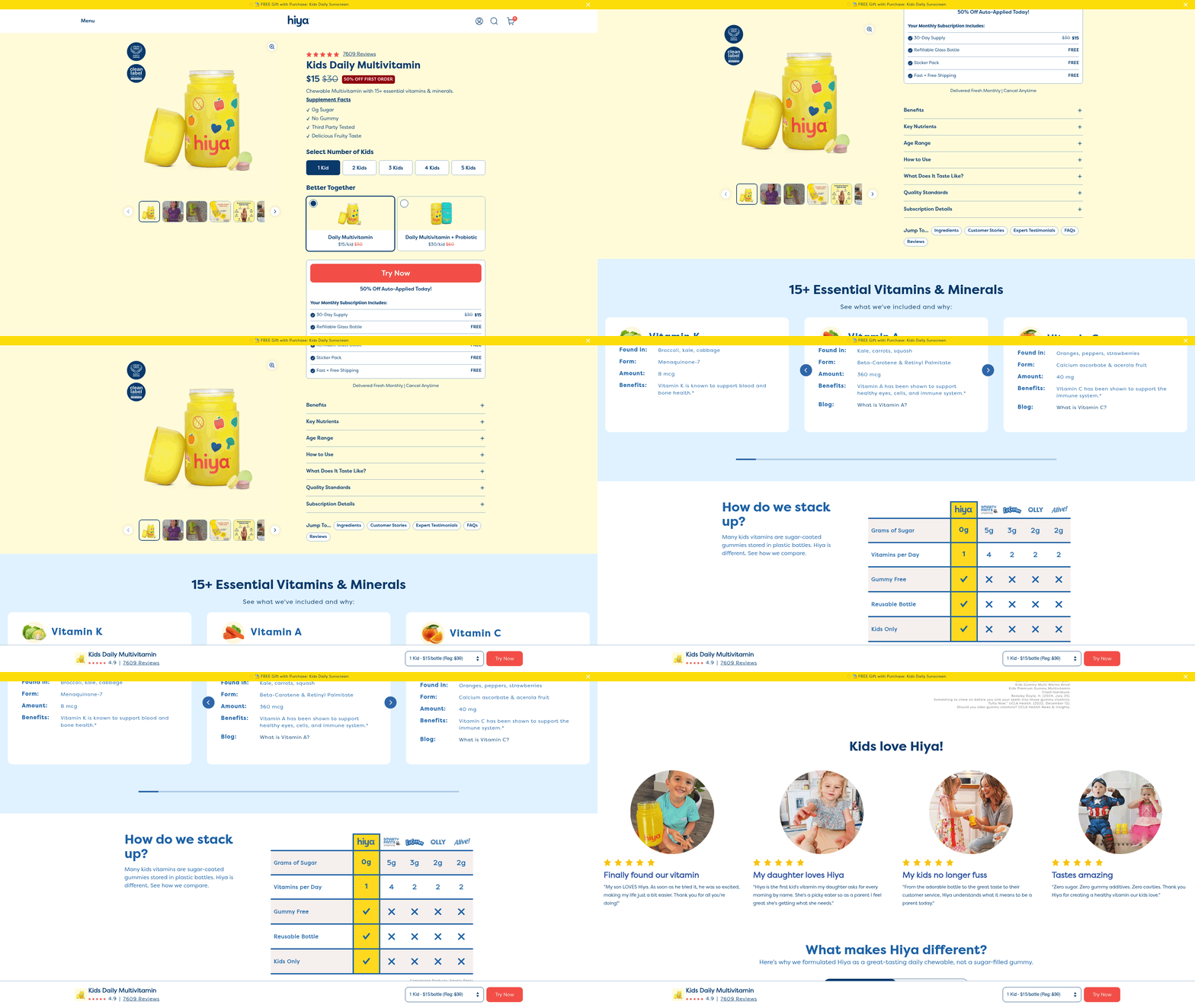
Hiya builds its whole pitch around clean nutrition. It skips the sugar and gummy fillers most kids' vitamins lean on, delivering 15 vitamins and minerals in a chewable tablet instead, per Hiya's product page. For parents who read labels, that's the main draw.
Price aside, the core benefits are the same wherever you shop. Here's what earns it a spot in the medicine cabinet.
Why the ingredient list is short
No added sugar, no gummy additives. That's what sets it apart from the candy-style vitamins filling most shelves. The Healthline review confirms the chewables are free from added sugar and carry fewer added ingredients than typical gummies.
That matters because sugary vitamins nudge kids toward treating supplements like candy. Hiya sidesteps the problem entirely.
The formula also folds in organic produce, apple, beet, broccoli, carrot, and green cabbage, per Hiya's ingredient list. You're getting whole-food-derived nutrients, not just isolated synthetic compounds.
Growth, immunity, and gut health
Hiya targets three areas at once: immunity, growth, development. The Amazon listing highlights vitamin D, B12, C, and zinc, all chosen for growing bodies.
Vitamin D and zinc do the heavy lifting for immune function. C and B12 back energy and normal development. Together they cover the gaps a picky eater's diet leaves open.
A dietitian who tested Hiya with her own kids noted each scoop packs 2 grams of fiber and 40% of the daily value for vitamin D for kids four and up. Fiber supports digestion, which ties straight into gut health.
Why reviewers keep favoring the tablet
Dietitians repeatedly call the chewable-tablet format a genuine advantage over gummies. Innerbody's testing review calls the high vitamin and mineral content a strong fit for kids who need more nutrients without the sugar load.
The tablet format also tends to hold nutrients more reliably than gummies, which can degrade over time. A five-year-old who refuses vegetables at dinner can get a daily chewable with the organic produce blend and vitamin D to fill real dietary gaps, no added sugar to the day. If you're comparing before buying, the health-conscious shopper checklist is a handy way to weigh clean-label claims against what's actually in the bottle.
Why a daily multivitamin earns its keep
Daily multivitamins fill the nutritional gaps even good meals miss. Kids grow fast, and their bodies need steady support for immunity, growth, and development. A chewable with 15+ vitamins and minerals covers the basics when a plate falls short, per Hiya's product details.
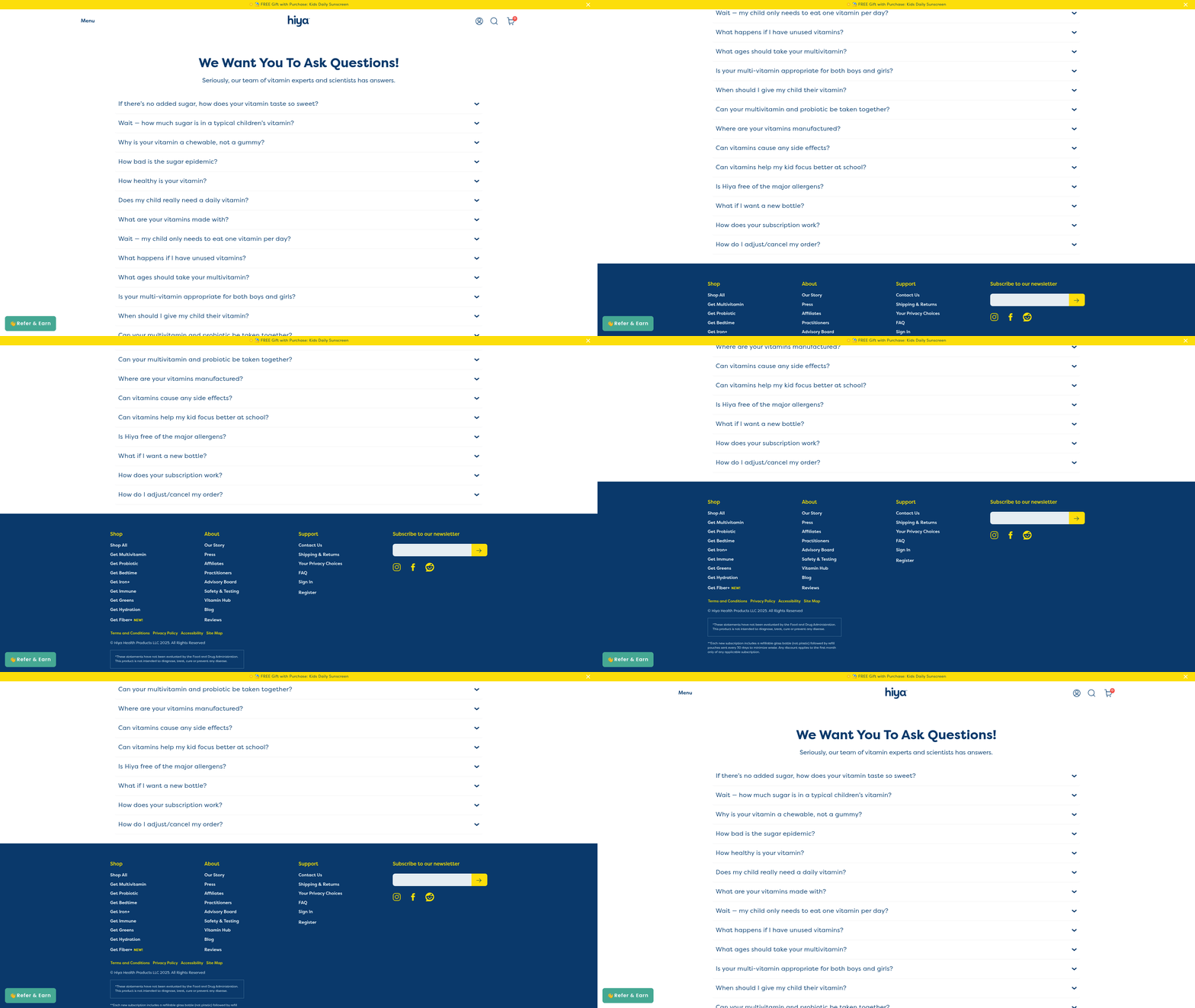
Picky eating is the problem most parents recognize. A kid who refuses vegetables one week and only wants pasta the next isn't getting consistent nutrition. That inconsistency is exactly what a daily supplement smooths out. If you're stocking up, compare stores first, since the same bottle carries different terms depending on where you shop.
Which nutrients matter most
Vitamin D, B12, C, and zinc anchor most kids' formulas because they support bone strength, energy, and immune function. Hiya delivers these alongside 15+ vitamins and minerals, per its Amazon listing.
Vitamin D supports bone development, a real concern for kids who spend more time indoors. Zinc and vitamin C back the immune system, which matters during school seasons when germs spread fast. B12 helps with energy and focus, two things every parent wants more of on a school morning.
These nutrients work together, not in isolation. A single daily chewable covers the group at once, which beats trying to balance each one through diet alone.
Who benefits most
Kids with selective diets benefit most. If your child skips whole food groups, a supplement backstops the vitamins those foods would have provided. Growing kids, active kids, and those recovering from frequent colds all gain from consistent nutrient intake.
Formulas built for kids also work harder to earn cooperation. Hiya's Disney Fantasia option pairs the same nutrient lineup with a design kids actually want to use. A vitamin only helps if the child takes it, so palatability is part of the benefit.
Age matters too. A toddler's needs differ from a ten-year-old's, so check that the dosage suits your child's stage. Some brands adjust serving size by age; others use one formula across a wide range. Reading the label helps you match the supplement to where your kid is.
Consistency beats intensity
Daily use is what makes a multivitamin work. One dose here and there does little. The value comes from steady, everyday coverage that fills small gaps before they add up.
Set a routine that sticks. Tie the vitamin to breakfast or the after-school snack so it becomes automatic. When you shop, run a quick attributes check to confirm the label matches what your kid needs. A clean, sugar-free formula makes that daily habit easier to keep.
Where to buy it
You can buy Hiya direct from its own site, on Amazon, and through Target. Each seller carries the same chewable formula with 15+ vitamins and minerals, so your choice comes down to price and terms, not the product, per Hiya's product page.
Compare stores before checking out. The same bottle carries different subscription discounts and shipping terms depending on the retailer, so a two-minute check keeps more cash in your pocket. If you want to move fast, a tool that lets you compare items on Amazon side by side makes the math easier.
The three main sellers
Buying direct often unlocks subscription pricing, while third-party listings suit parents who already shop those platforms.
- Hiya's official store: the direct source for the flagship chewable, with subscription options that ship on a schedule.
- Amazon: convenient if you already run a Prime cart and want fast delivery.
- Target: carries a range of Hiya options, including gummies, omega-3, and DHA formulas alongside the classic multivitamin.
Hiya also sells themed versions like the Disney Fantasia multivitamin, same 15+ vitamins and minerals with a collectible bottle. If your kid needs extra motivation, that novelty can be worth it.
Verifying you got the real thing
Buy from Hiya's site or a recognized retailer to guarantee genuine product. Third-party marketplace listings from unknown sellers carry the highest risk of old stock or tampered packaging, so stick with authorized sources.
Check two things the moment your bottle arrives. First, confirm the expiration date gives you enough runway to finish the bottle. Second, inspect the seal and packaging for damage. A cracked seal or crushed box is a reason to request a replacement.
Getting the best value
Subscribing beats single bottles nearly every time. Auto-ship saves you the reordering hassle, and a detailed parent's guide to cost breaks down what that spend actually buys. Watch for first-order promo codes too, since many bring the initial refill package down by 50% before the standard rate kicks in.
Think cost per serving, not sticker price. A bottle that looks cheap up front can cost more per daily dose than a subscription that ships automatically. A parent stocking vitamins for two kids can subscribe for both, then compare that recurring price against one-off marketplace bottles. The subscription usually wins on cost per serving and never leaves you scrambling when the last tablet runs out.
Our family's review
After several months of daily use in our house, Hiya earned its spot on the kitchen counter. Our kids take the chewable each morning with breakfast, and the no-added-sugar formula was the reason we switched. If you're weighing it for your own family, compare prices across stores before committing to a subscription.
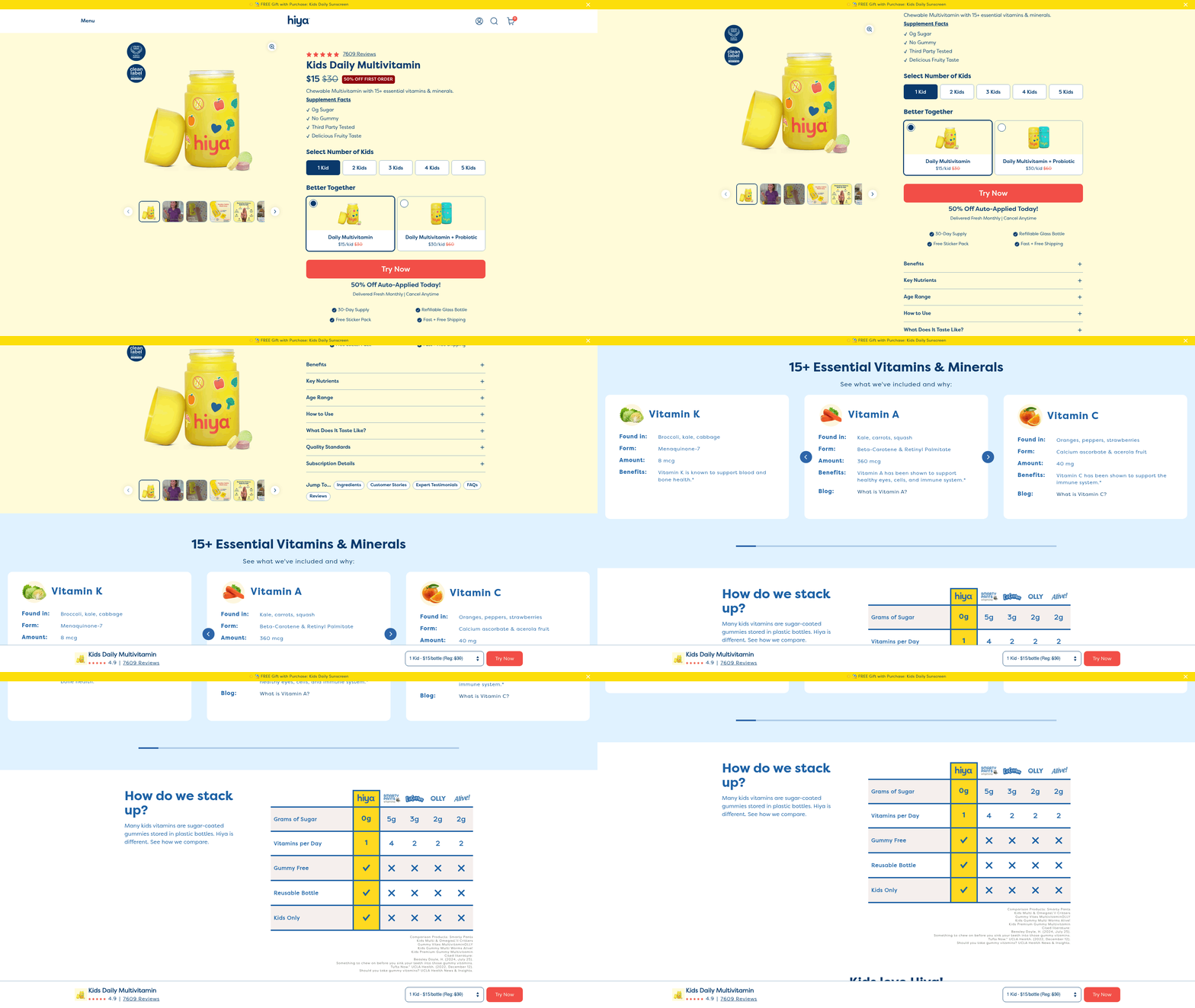
What sold us wasn't just the clean label. It was watching our pickiest eater actually finish the tablet without complaint. Every kid is different, so check which age formula fits, since Hiya splits its multi into kids two to three and kids four and up, per Innerbody's testing notes.
How it worked for our kids
Our four-year-old took the chewable without fuss, and the broad blend covered gaps our meals kept missing.
The routine stuck faster than we expected. Within the first week both kids were reaching for the bottle on their own, which cut down the morning back-and-forth we used to have with gummies. The chewable texture also traveled well, so busy days and trips didn't break the habit.
Kids like predictability, and pairing the vitamin with breakfast made it stick. Innerbody's review calls out the non-gummy format as a plus that delivers more nutrients without the sugar hit.
Matching the vitamin to each kid
Pick the age-appropriate formula first, then adjust based on your child's specific diet gaps. A kid who eats fish regularly has different needs than one who won't touch it.
Individual needs drive the choice more than brand loyalty. A child who skips dairy may need extra attention on calcium; a picky eater who avoids vegetables might fall short on certain vitamins the multi only partly covers. Track what your kid actually eats over a typical week, then map the gaps yourself rather than assuming one product handles everything.
For our household, that meant treating the multivitamin as a base layer, not a cure-all. It handles the core vitamins and minerals well. It won't replace a balanced plate.
What to expect going in
Getting a resistant kid to try a new tablet takes a few days of patience.
The biggest snag we hit was the switch itself. Kids used to sweet gummies notice the difference right away. We got past it by framing the tablet as a "big kid" vitamin and letting them refill the reusable glass bottle themselves, which turned it into a small ritual.
Cost is the other factor. The formula stays identical no matter where you buy, so the only variable is price and subscription terms. A quick check across sellers, plus a product attributes checklist, keeps you from overpaying while still getting the clean-label vitamin your kids will actually take.
How the formula works in a growing body
Hiya supports three things kids need most: steady growth, a strong immune system, healthy digestion. Its blend of nutrients does the heavy lifting when a kid's diet falls short, filling the gaps picky eating leaves behind.
Compare options before you buy so you lock in the best subscription terms. But the health value stays the same wherever you shop. Here's how the formula actually works.
Growth and development
Hiya delivers vitamin D and zinc, two nutrients tied directly to bone development and cell growth, per Hiya's product page.
Vitamin D helps the body absorb calcium, which builds strong bones during the years kids grow fast. That calcium partnership matters most in early childhood, when the skeleton lays down the density it carries into adulthood.
Zinc backs cell growth and repair. B12 fuels energy and brain function. Together they support the physical and cognitive changes happening in a young child every month.
Immunity and gut health
Vitamin C and zinc anchor the immune side, while a blend of organic produce and added fiber supports digestion, per Hiya's ingredient page.
The formula folds in organic apple, beet, broccoli, carrot, and green cabbage, a mix that brings plant compounds most gummy vitamins skip. A dietitian test found each serving carries 2 grams of fiber, which feeds healthy digestion, per the Yahoo review.
Fiber matters because gut health ties back to immunity. A well-fed digestive system helps the body process nutrients and defend against everyday bugs. That's a real edge over sugar-heavy chewables.
Building the habit early
Pair the daily vitamin with a fixed routine so kids take it at the same time each morning. Consistency turns a supplement into a habit that sticks.
Make it fun. Hiya offers a Disney Fantasia version with the same core formula, which gives reluctant kids a reason to look forward to it.
Lead by example. When your child sees you take your own vitamins at breakfast, the routine feels normal instead of forced. Match the formula to your child's age too, since Hiya splits its multi by age group.
Ingredient spotlight: what's actually in the tablet
Hiya's ingredient list starts with a blend of organic fruits and vegetables, apple, beet, broccoli, carrot, and green cabbage, per Hiya's ingredients page. That whole-food base is what separates a clean-label chewable from a candy-shaped supplement.
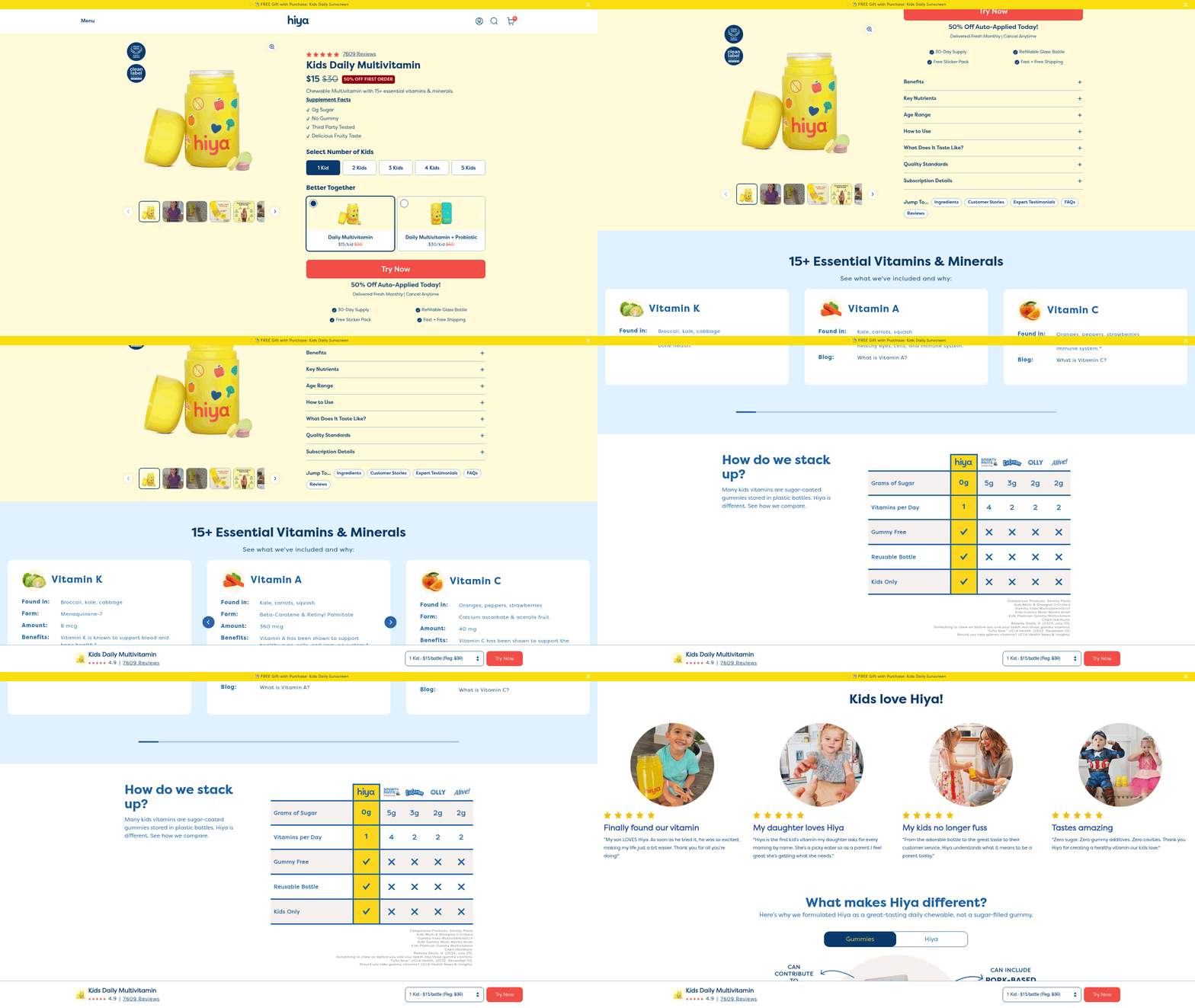
Compare prices between stores before you stock up, since the same clean formula shows up on different sellers at different terms. The ingredients stay identical wherever you shop. Here's what goes into the tablet and why the sourcing matters.
What's inside
Beyond the produce, Hiya rounds out its formula with a 12-fruit-and-vegetable blend that includes organic ingredients like spinach and blueberry, giving the tablet a food-derived backbone instead of synthetic fillers. The sourcing leans on organic farms, which keeps pesticide exposure low in a product meant for daily use.
The chewable also carries fiber in its scoop-based line, 2 grams per serving with no added sugar, per a dietitian who tested it. Fiber in a kids' multivitamin is uncommon, and it nudges the product closer to a food-first design.
What you won't find is the sugary filler most gummies rely on. Hiya uses chewable tablets rather than gummies and skips added sugar entirely, as the Healthline review notes. Fewer added ingredients means a shorter, cleaner label to read.
Why source and quality matter
Quality varies, so source matters. A vitamin built on organic produce and free of added sugar behaves differently in a kid's body than a sweetened gummy, and the label tells you which one you're holding. Reading the source of each ingredient is the fastest way to judge a supplement.
The clean-label positioning isn't flawless, and honest reviewers say so. One parent's guide points out what the clean-label framing misses, a useful reality check before you assume "natural" means complete. No single multivitamin covers every gap.
Independent testers still rate the formula highly. Reviewers who researched the line call it a strong non-gummy option that delivers more nutrients, citing its high vitamin and mineral content in their Hiya testing writeup. That combination of clean sourcing and dense nutrition is the real draw.
Getting kids to actually take it
The common challenge is taste and texture. A chewable with no added sugar can be a harder sell than a candy-flavored gummy. The fix is pairing it with breakfast so it becomes routine rather than a negotiation.
Hiya also softens the resistance with format. The Disney Fantasia version comes with collectible bottle stickers that let kids decorate their own container, giving picky eaters a reason to engage. Same nutrition, more buy-in.
If you're weighing clean-label details against price, run through a product attributes checklist before you buy. It keeps you focused on sourcing and quality, not just the sticker.
One dose a day: fitting it into the routine
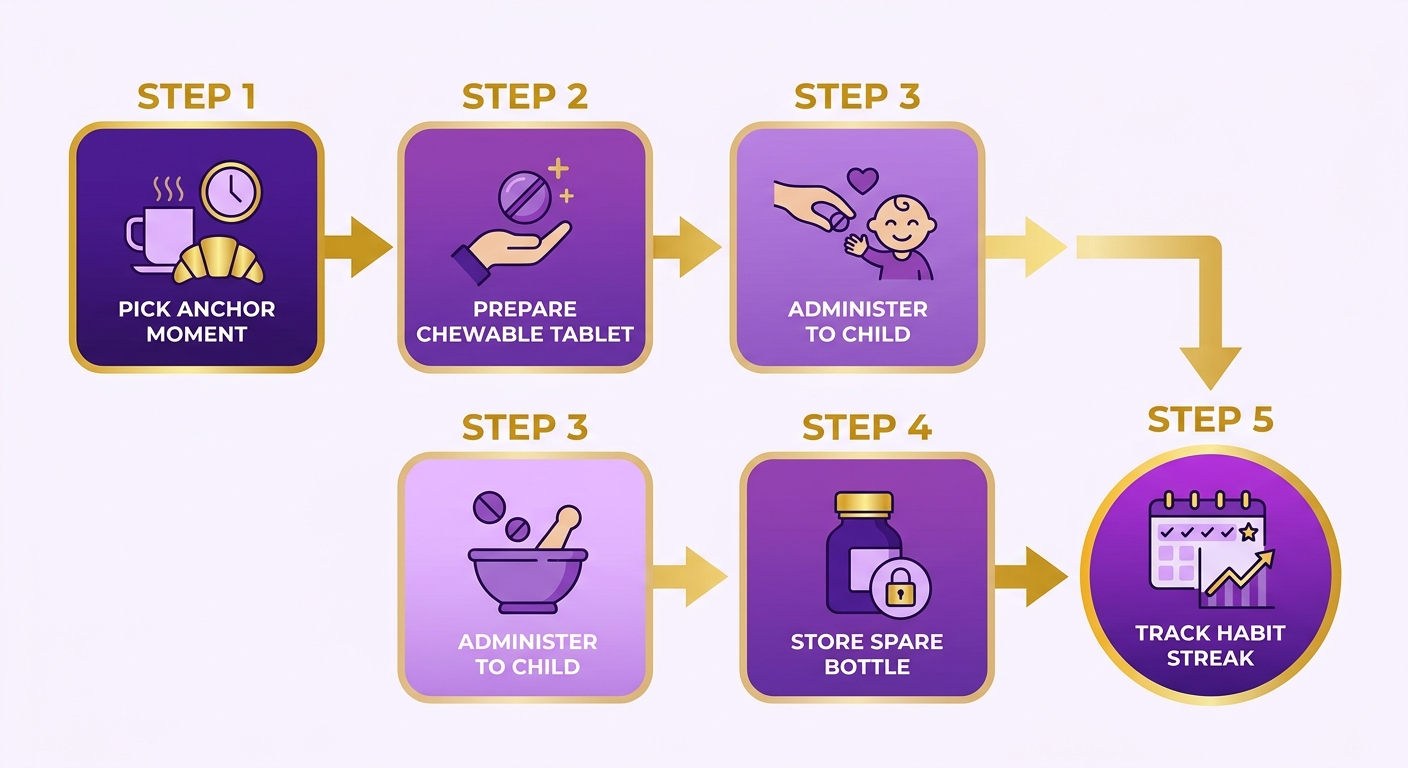
Getting a kid to take a daily vitamin comes down to two things: timing and fun. Pick one anchor moment, like breakfast, and tie the chewable to it every single time. Consistency beats perfection, so the goal is a habit your child stops thinking about.
Before you lock in a routine, compare stores so you never run out mid-habit. A gap in supply breaks the streak you worked to build. Keeping a fresh bottle on hand matters as much as the morning ritual itself.
Making vitamins fun
Make it a game, not a chore. Kids respond to ownership, so hand your child the bottle and let them count out their own tablet. Small rituals like this turn a task into something they look forward to.
Character packaging helps too. Hiya offers a Disney Fantasia design with the same 15+ vitamins and minerals for immunity, growth, and development. A familiar character on the bottle gives a reluctant kid a reason to engage.
Try a simple sticker chart. Every morning your child takes the tablet, they add a sticker. Seven in a row earns a small reward. It makes the streak visible and gives them a goal they can see.
Building a routine that sticks
Attach the vitamin to an existing habit. The easiest way to make anything stick is to bolt it onto a routine you already have. If your kid brushes teeth after breakfast, put the bottle right by their plate so it becomes part of the sequence.
Match the formula to your child's age first. Hiya splits its multivitamin into kids two to three and kids four and up, per Innerbody's testing. The right formula from the start keeps the routine simple.
Refill bottles beat single purchases for building a habit. Hiya's subscription sends a refill on a schedule, so you don't have to remember to reorder. That steady supply removes the biggest reason routines fall apart.
Common snags and fixes
The pushback is usually texture, not taste. A kid who resists a chewable often objects to the feel, not the flavor. Let them chew it alongside a bite of breakfast so the tablet blends into food they already like.
Forgetfulness is the other hurdle. Parents get busy, and mornings move fast. A visible bottle on the counter and a phone reminder handle it. Once the habit locks in after a few weeks, the reminders become unnecessary.
If your child skips a day, don't panic or double up. Just resume the next morning. A daily multivitamin fills gaps over time, so one missed dose won't undo the benefit. Patience matters more than a perfect record.
References
[1] Children & Kids Multivitamins - Hiya Health - https://hiyahealth.com/products/kids-daily-essential
[2] Hiya Kids Multivitamin – 15+ Essential Vitamins & Minerals with... - https://www.amazon.com/Hiya-Kids-Multivitamin-Essential-Development/dp/B0FBT518P8
[3] Hiya Kids Vitamins | Multivitamins & Gummies for Complete Nutrition - https://www.target.com/s/hiya+kids+vitamins
[4] Hiya Health | Essential Super Nutrients for Kids - https://hiyahealth.com/
[5] Hiya Vitamins Review: A Dietitian's Take - Healthline - https://www.healthline.com/nutrition/hiya-vitamins-reviews
[6] Hiya Vitamins Reviews | Our Hiya research and testing - https://www.innerbody.com/hiya-vitamins-reviews
[7] Kids Daily Multivitamin - Disney Fantasia - Hiya Health - https://hiyahealth.com/products/kids-daily-multivitamin-disney-fantasia
[8] Hiya Health Vitamin Ingredients - https://hiyahealth.com/pages/ingredients
[9] A Hiya Review From 3 Dietitian Moms (2024 Update) - https://therealfooddietitians.com/hiya-vitamins-dietitians-review/
[10] I'm a dietitian and tested Hiya vitamins with my kids for 3... - https://health.yahoo.com/wellness/nutrition/vitamins-supplements/review/hiya-review-212650666.html
[11] Hiya Vitamins: A Parent's Guide to Ingredients, Cost, and... - https://ser.gcsu.edu/?p=hiya-vitamins-a-parent-s-guide-to-ingredients-cost-and-real-use-6a299e996d6b0
Frequently Asked Questions
1. Can Hiya Kids Multivitamin cause an upset stomach or side effects?
Most children tolerate the chewable well, but any multivitamin can cause mild stomach discomfort if taken on an empty stomach. Taking it with breakfast reduces this risk. The 2 grams of fiber per serving aids digestion, though a sudden fiber increase may cause temporary bloating in sensitive kids.
2. What happens if my child accidentally takes two tablets in one day?
A single extra chewable rarely causes harm since Hiya uses child-appropriate nutrient levels rather than mega-doses. However, fat-soluble vitamins like D can accumulate with repeated overdosing. Store the bottle out of reach, and contact Poison Control or your pediatrician if your child consumes several tablets at once.
3. Can Hiya be given alongside prescription medications or other supplements?
Consult your pediatrician before combining Hiya with prescriptions or additional supplements. Zinc can interfere with certain antibiotics, and doubling up on vitamin D from multiple sources risks excess. Since Hiya already covers 15+ nutrients, adding separate vitamins may create overlap unless targeting a specific documented gap.
4. Is Hiya suitable for children with food allergies or dietary restrictions?
Hiya skips common allergens including gluten and dairy, and contains no artificial colors or synthetic dyes, making it appropriate for many sensitive kids. However, always check the current label for tree nut, soy, or other allergen advisories, since formulations can change and manufacturing facilities vary.
5. How should I store Hiya tablets to keep them fresh?
Store Hiya in the reusable glass bottle in a cool, dry place away from direct sunlight and humidity. Avoid bathroom cabinets where moisture degrades tablets faster. Keep the lid sealed tightly between uses, and verify the expiration date on arrival to ensure you can finish the bottle in time.
6. At what age can children stop taking a daily multivitamin?
There's no fixed stopping age. Kids eating a varied, balanced diet with adequate fruits, vegetables, and protein may not need supplementation, regardless of age. Discuss this with your pediatrician, who can identify actual nutritional gaps. Many families continue multivitamins through school years to cover inconsistent eating patterns.
7. Does Hiya offer a formula for teenagers or only younger kids?
Hiya's standard Daily Essential is formulated for ages two and up, with two dosing tiers covering toddlers two to three and children four and older. For teenagers with higher nutrient demands, consult a pediatrician about age-appropriate options, as growing adolescents often require more iron, calcium, and calories than child formulas provide.