
Low-Cost Whey Protein for Daily Nutrition

Key Takeaways
- A scoop of cheap whey gives you a complete protein hit for a fraction of what a ready-made shake costs.
- Whey powder earns its place when you're short on time or stretching a tight grocery budget. Not otherwise.
- Concentrate is the budget pick. Isolate costs a little more for a higher protein percentage per scoop.
- If you already eat enough whole-food protein, a powder adds little to your day.
- NOW Sports Whey Isolate runs a simple clean-label formula on a budget, with fewer flavor options as the trade.
- Optimum Nutrition Gold Standard is a widely stocked concentrate blend that actually tastes good across its lineup.
- Finding a solid cheap whey takes 15 to 30 minutes of label-reading. Store-brand concentrate carries the lowest cost per serving.
Quick Summary
Cheap whey protein is one of the easiest wins in daily nutrition. One scoop delivers complete protein for a fraction of what a premixed shake costs, and Healthline's roundup of affordable protein sources lists whey powder as a convenient way to push your intake up without much spend. If you already hit your protein from whole food, skip it. It pays off when time or money is tight.
Your best low-cost whey options
The cheapest whey that fits your goals usually comes down to two things: the type, and how short the ingredient list is. Concentrate is the budget pick. Isolate costs a bit more for a higher protein percentage. Here's how a few well-reviewed options stack up.
| Product | Whey Type | Standout Trait | Best For | Watch-Outs |
|---|---|---|---|---|
| NOW Sports Whey Isolate | Isolate | Simple, concentrated formula per Torokhtiy's cheap powder review | Clean labels on a budget | Fewer flavor options |
| Optimum Nutrition Gold Standard Whey | Concentrate blend | Widely available, tastes good across flavors per Wired's testing notes | Everyday all-rounder | Contains a blend, not pure isolate |
| Hermosa Grass-Fed Whey | Concentrate | Top overall pick on ingredient quality from BBC Good Food's tested list | Daily mixing into drinks | Premium end of "affordable" |
| Store-brand concentrate | Concentrate | Lowest cost per serving | High-volume daily use | Check for added sugars |
How much effort this really takes
Budget on 15 to 30 minutes once you know what to compare. The work is in the label-reading, not the buying. Three numbers matter: grams of protein per serving, price per serving, and an ingredient list short enough to read in one breath.
Sort by real cost per serving, not the sticker price on the tub. A bigger container almost always wins on unit price, so run the numbers before you add to cart.
Which whey type to pick
For daily nutrition, concentrate is the default. It carries the protein you need at the lowest cost, and Healthline's whey guide backs it as the most common, budget-friendly form. Reach for isolate only if lactose bothers you or you want more protein per scoop.
Difficulty of actually using it: none. Blend a scoop into water, milk, oats, or a smoothie. There's no learning curve.
One honest carve-out: skip whey if you're dairy-intolerant or vegan. The lactose in concentrate will cause trouble, and a plant protein serves you better. For everyone else, a clean concentrate is the strongest value, with isolate as the upgrade when your gut or your goals call for it.
Why cheap whey actually earns its place
Whey earns its spot because it delivers complete, high-quality protein at a price most people can sustain every single day. A review of whey protein research links it to muscle growth, stronger bones, and better athletic performance. The cheaper the per-serving cost, the more likely you are to stick with it. Consistency is where the payoff lives, not in any single shake.
Who gets the most out of it
Budget shoppers and active people. If you train hard but can't justify premium premixed shakes, a low-cost powder hits your daily protein target without wrecking the grocery bill.
Concentrate is the value pick. Healthline's beginner guide calls it the cheapest form that still keeps most of the beneficial nutrients, which makes it the default for general fitness or daily intake.
Isolate suits a narrower group. It runs 90%+ protein with nearly all the lactose and fat stripped out, per the ATHLEAN-X protein breakdown. If you're lactose-sensitive or cutting calories tight, the slightly higher price buys real purity. Otherwise concentrate does the job.
How to actually save money
Buy bigger tubs and stack them with sales. Per-gram cost drops sharply as container size grows, so a large bag of concentrate beats single-serve packets or premixed bottles almost every time.
Watch for short ingredient formulas too. Fewer fillers usually means more actual protein per dollar.
The math is concrete. Say you grab a single-serve shake at $3 each, five days a week. Switch to a bulk tub at well under $1 per scoop and you cut that weekly spend by more than half. Over a few months, the gap adds up fast.
Don't get burned on a fake or expired tub
Cheap should never mean sketchy. Counterfeit and expired powder is the one place where chasing the lowest price backfires. A few habits cover you:
- Inspect the seal and packaging for tampering before opening.
- Read the date and skip anything close to or past expiration.
- Buy from known sellers rather than unverified third-party listings.
Get those basics right and low-cost whey becomes one of the most reliable nutrition upgrades you can make. The savings are real, and so are the muscle and bone benefits behind the habit.
Concentrate, isolate, or hydrolysate: which to buy
Whey comes in three forms: concentrate, isolate, and hydrolysate. They differ in protein per scoop, how much lactose and fat stays behind, and how fast your body breaks them down. Picking the right one is less about chasing the "purest" option and more about matching the type to your goal and your gut.
What actually separates the three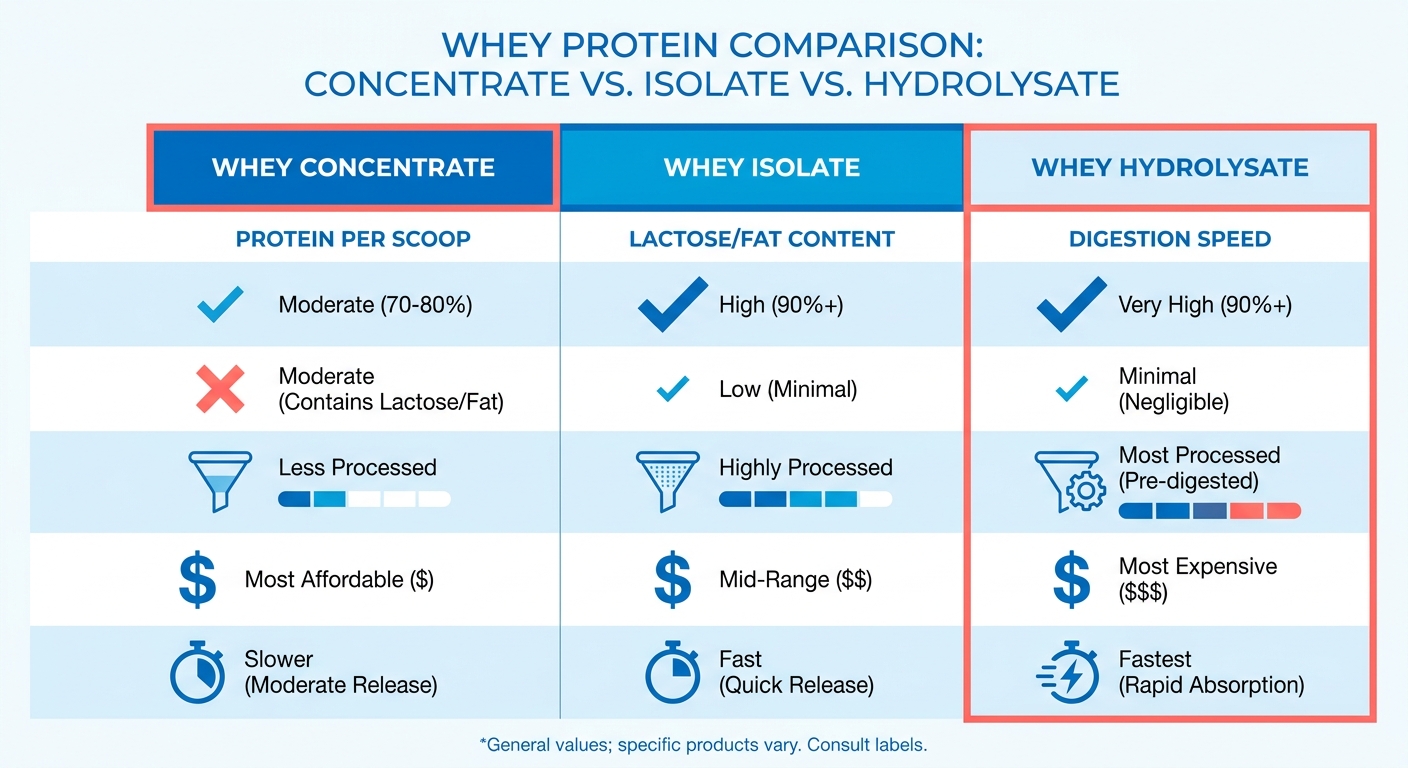
They separate along one axis: processing. More filtering means higher protein percentage, less lactose, and a higher price.
Concentrate. The least processed type. It holds the most beneficial nutrients and lands as the cheapest, which is why Healthline's beginner guide calls it the best pick for most people.
Isolate. A mid-tier option with extra filtering to trim what concentrate leaves in. The ATHLEAN-X breakdown notes it mixes cleaner and sits lighter for people sensitive to dairy. The affordable, highly concentrated isolate in Torokhtiy's cheap powder reviews is a good example of the clean-formula version.
Hydrolysate. Pre-broken-down protein, the most processed type. A hydrolyzed isolate flagged as strong value shows up in Forbes Vetted's testing.
Which one you should actually buy
Buy concentrate unless you have a specific reason not to. It gives you complete protein at the lowest cost per serving, and for daily nutrition that's the win.
Go with isolate if lactose bothers your stomach. Stripping most of the lactose and fat makes it easier to tolerate, and the higher protein percentage helps if you're watching calories or carbs.
Pick hydrolysate if you want the fastest-digesting option and don't mind paying for it. The protein is already partly broken down, so your body does less work. For most people chasing daily protein on a budget, that speed isn't worth the markup.
If flavor and ingredient quality matter to you as much as macros, grass-fed whey took BBC Good Food's top overall spot in taste testing. That's a preference call, not a nutrition rule.
How to read a whey label without getting fooled
Quality comes down to one thing: what's in the tub versus what the label promises. The best low-cost whey reads clean. A short ingredient list, a high protein-per-scoop ratio, no mystery fillers. Here's how to vet a powder before you buy.
Reading the label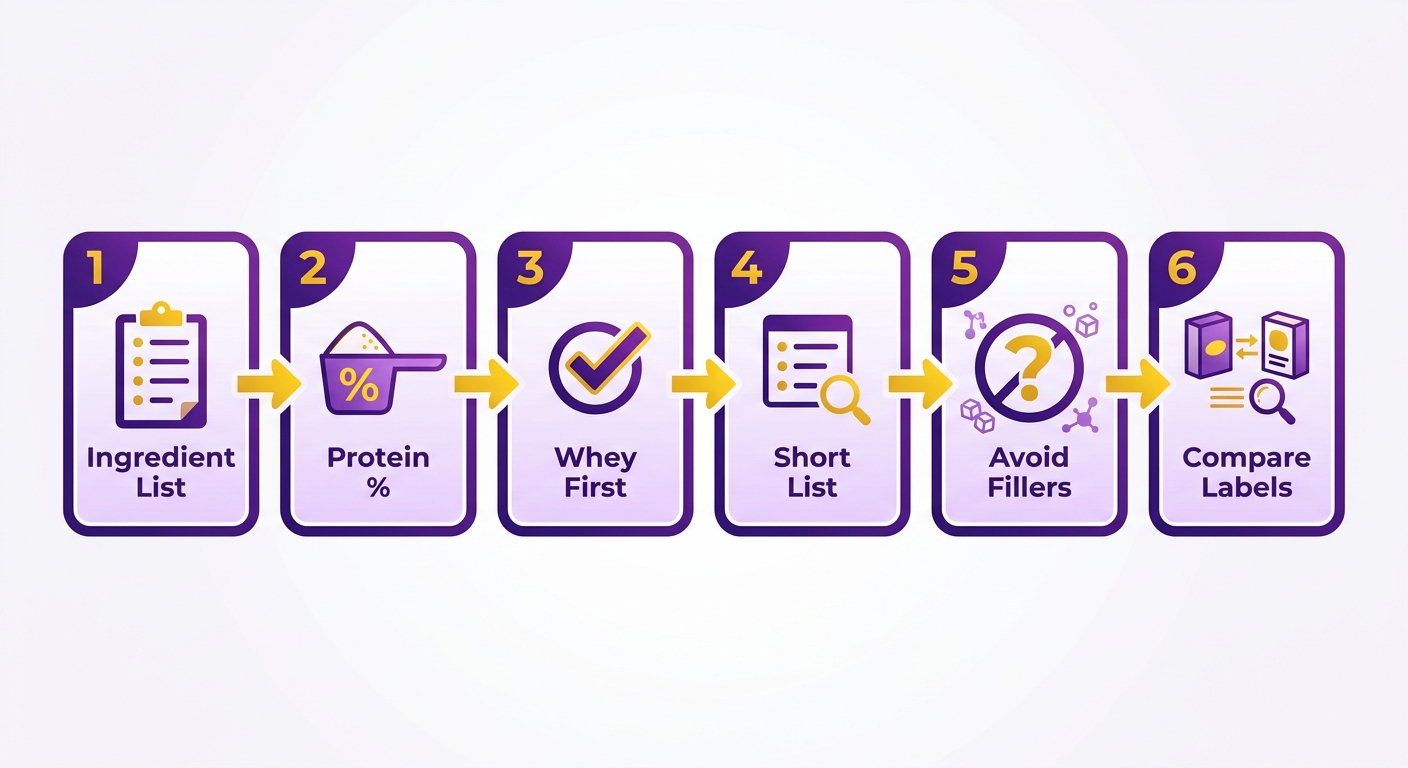
Start with the ingredient list and the protein percentage. A quality powder leads with whey as the first ingredient and keeps the rest short. The NOW Sports Whey Isolate earns its spot on exactly that: a simple formula and high protein density.
Then check the math. Take grams of protein per serving and divide by the scoop weight. A solid powder lands around 80% by weight, so a 30-gram scoop should deliver roughly 24 grams of protein. If the result lands well under what the type should give you, you're paying for filler. The ATHLEAN-X breakdown covers why that ratio matters.
Watch for amino spiking and long additive lists. A bloated panel packed with gums, artificial sweeteners, and unnamed "blends" is a red flag on a budget product.
What separates good whey from cheap junk
Sourcing and testing. BBC Good Food ranked a grass-fed whey as their top overall pick specifically on ingredient quality, flavor, and everyday usability. That's the bar. Cheap doesn't have to mean low-grade, but the lowest-tier products cut corners on sourcing and clarity.
Look for third-party testing. Certifications like NSF and Informed-Choice confirm that what's printed matches what's inside, and that the powder is free of undeclared contaminants. A budget powder carrying one is doing more than its untested rivals.
And skip anything that hides its protein behind a proprietary blend. If the label won't tell you how many grams of actual whey you get per scoop, assume the answer is "less than you think." The rule is simple: trust the powder that shows its work on the label, not the one that buries it.
The cheap whey worth buying
The best low-cost whey isn't the cheapest tub on the shelf. It's the one with a clean formula, a fair price per serving, and a brand that holds up under real testing. Here are the picks reviewers keep returning to, plus how to make each one last.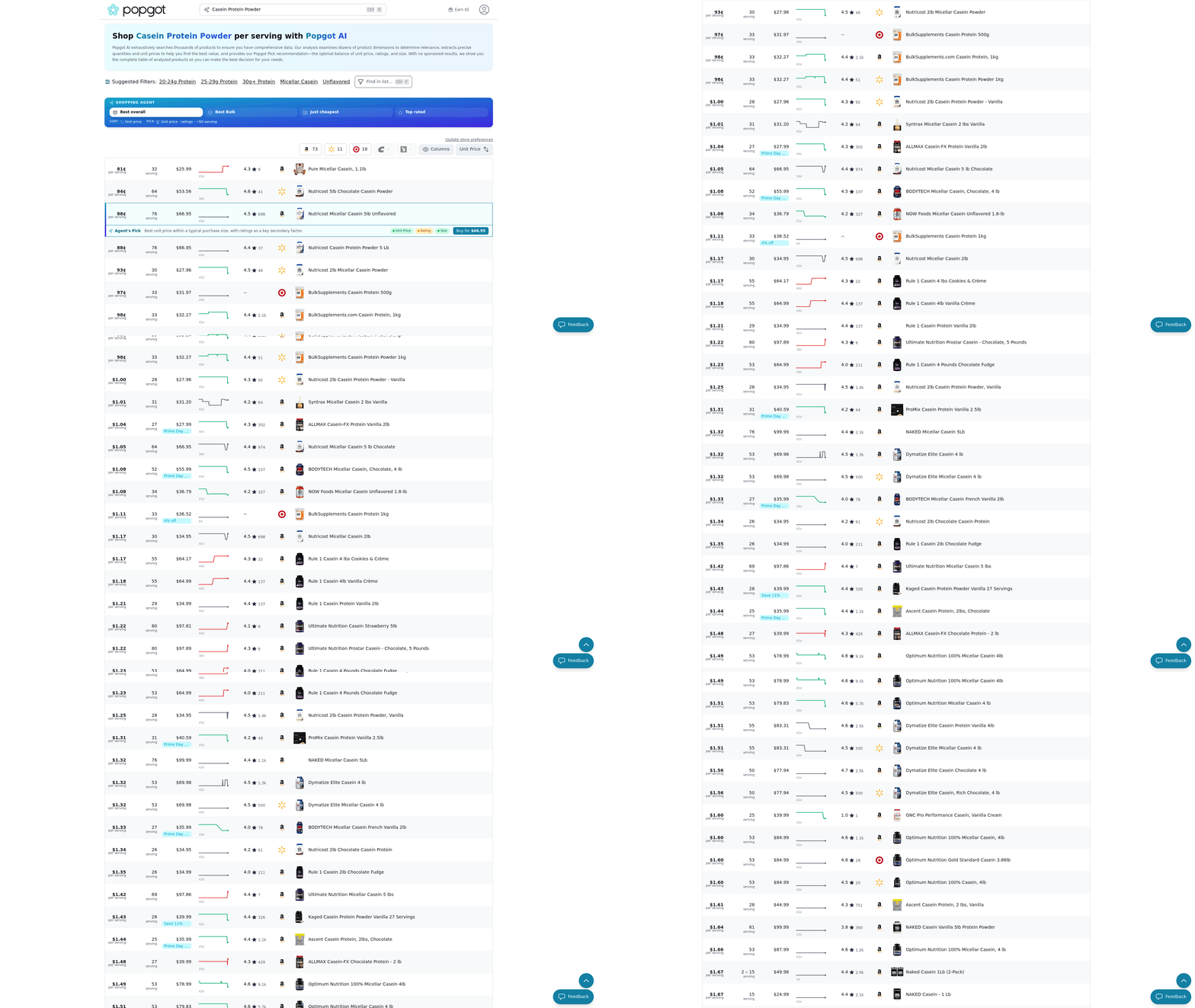
The names worth your money
A few products show up across nearly every expert roundup. They earn that on price, taste, and ingredient simplicity.
Optimum Nutrition Gold Standard Whey. The default for most people. Forbes Vetted names it the best protein powder for most people, and Wired's testing calls it affordable, widely available, with flavors that genuinely taste good after three years of trials.
Body Fortress Super Advanced Whey. A strong budget buy at a major retailer. The strawberry tub lists 60g protein at $29.98, about $1.05 per ounce, per Walmart's listing. That's a value metric you can compare directly against other tubs.
Dymatize ISO100 Hydrolyzed. For a faster-digesting isolate, Forbes flags ISO100 as good value among hydrolyzed options. It costs more than concentrate but reads clean.
Shopping grass-fed? BBC Good Food's taste test ranked a grass-fed whey as its top overall pick on ingredient quality and flavor.
Working it into meals
Whey is flexible, which is why it stretches a tight budget. Stir a scoop of Gold Standard into water or milk post-workout. Blend Body Fortress into oats or a fruit smoothie for breakfast. Mix ISO100 into Greek yogurt when you want extra protein without much extra fat. One scoop in morning oatmeal plus one in an afternoon shake can cover a big chunk of your daily target for a couple of dollars.
Storing it so it lasts
Keep the tub sealed, cool, and dry. Moisture is the enemy. A scoop left in a humid cabinet clumps fast and invites spoilage, which kills the value you paid for.
Store it away from heat and direct light. Close the lid tight after every scoop, and leave the desiccant packet inside the tub instead of tossing it. If a powder smells off, looks discolored, or has gone hard and clumpy, throw it out. Spoiled whey can cause stomach upset, and no per-ounce savings are worth that. Buy a size you'll finish in a reasonable window rather than the biggest tub for the lowest unit price.
The only number that matters: cost per gram of protein
The real cost of whey isn't the sticker price. It's the cost per gram of protein. A cheap tub with watered-down scoops can cost you more than a pricier one that packs more grams into every serving. Run the math before you buy.
How to run the number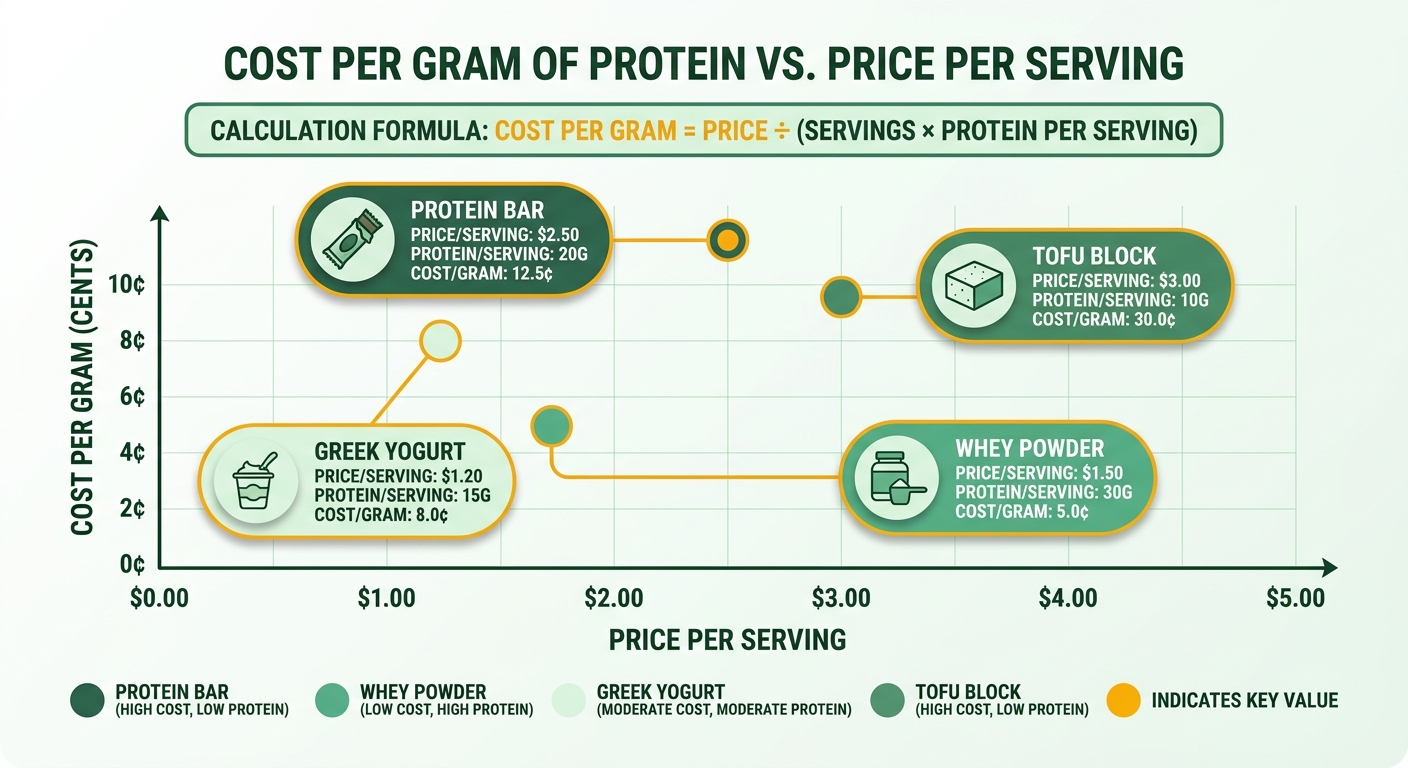
Take the total price, divide by the protein grams in the whole container. The formula: price ÷ (servings × protein per serving) = cost per gram. This single number cuts through marketing and tells you which tub actually stretches your dollar.
A worked example: a 2 lb tub sells for $24 and lists 30 servings at 24g of protein each. That's 720 total grams, which works out to about 3.3 cents per gram. Many retailers post a unit price on the shelf too, giving you a fast cross-shelf comparison. Use that as a shortcut, then confirm with the per-gram math. Two tubs at the same shelf price can differ wildly once you account for serving count and protein density.
A price comparison tool speeds the cross-retailer step up. Popgot's food price comparison lets you line up unit costs side by side instead of toggling between tabs.
What counts as good value
Good value means a low cost per gram paired with a clean formula and protein you'll actually drink daily. Weigh three things together:
- Cost per gram. Your baseline for comparing any two products.
- Protein density. Higher grams per scoop usually mean better value over time.
- Formula simplicity. A short ingredient list means you're paying for protein, not fillers.
Value also shifts by type. A hydrolyzed isolate like the one Forbes Vetted names a strong value earns that label because its price holds up against comparable premium powders, not because it's the cheapest tub on the shelf.
And the cheapest option isn't worth it if the protein is low quality. A bargain tub loaded with fillers gives you fewer real protein grams per scoop, which quietly raises your true cost per gram even when the price looks low. Run the per-gram math on a clean, protein-dense powder. That's how you find the tub that's genuinely cheap, not just cheap-looking.
Where to find the cheapest tubs and the best deals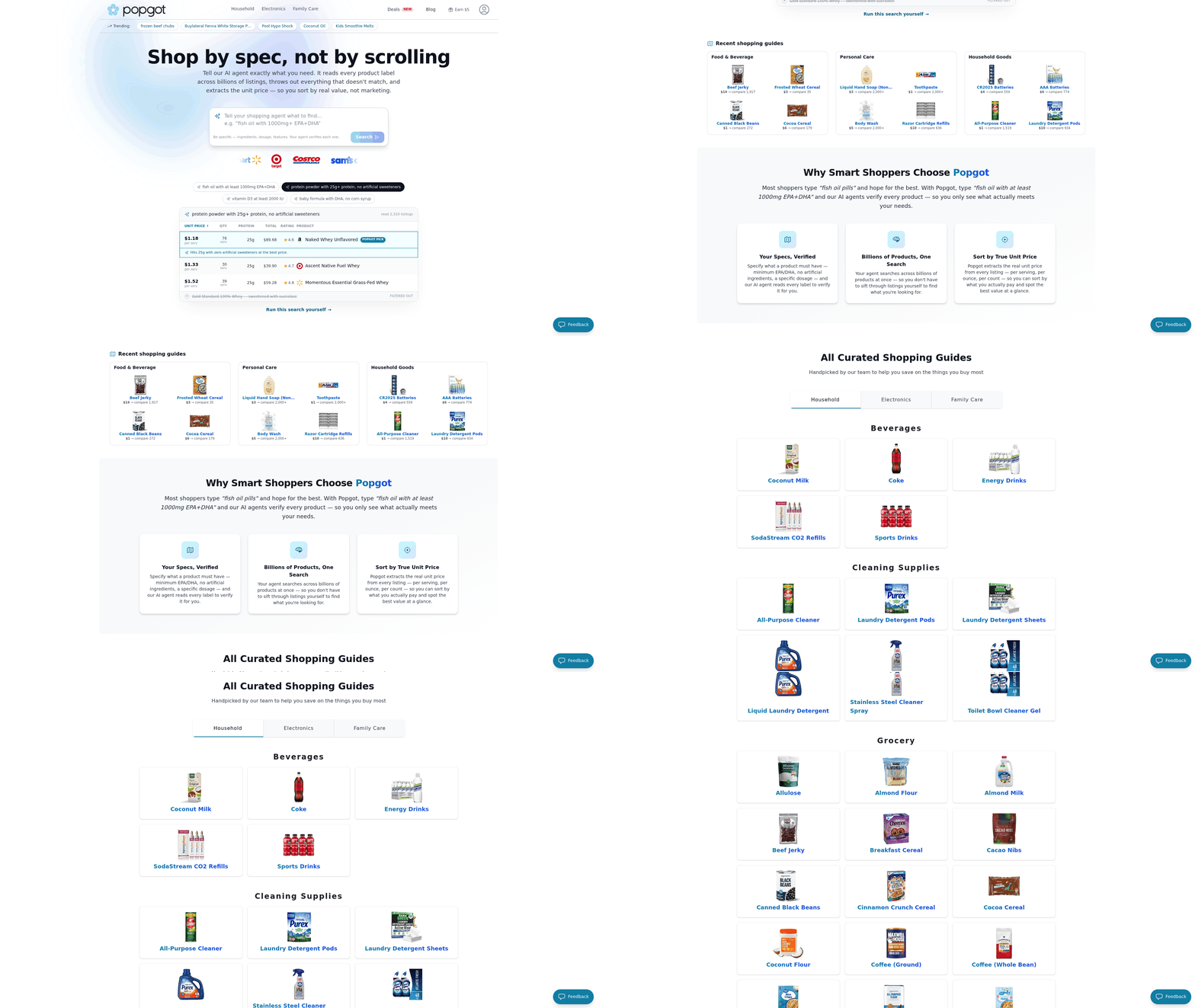
Finding the cheapest whey starts before you ever add a tub to your cart. The best deals come from comparing prices across retailers, checking the serving math, and confirming a product is the real thing.
Comparing prices online
Use a price comparison tool first. These pull the same product across multiple sellers so you spot the lowest live price instead of guessing. A widely stocked pick like Optimum Nutrition Gold Standard shows up at different prices depending on the retailer, and that spread is where your savings hide.
Big-box listings give you a baseline. Walmart's whey category lists per-ounce pricing right on each product, which makes head-to-head value checks fast. Cross-reference that against other sellers before you commit. You can compare items easily across stores in one view, then watch for restocks and promo drops on your shortlist.
Verifying it's authentic and safe
Check the seller, the seal, and the ingredient list before you trust a low price. A deal that looks too cheap can mean expired stock or a counterfeit tub. Stick to names that pass independent testing. Forbes Vetted's testing and three years of Wired's hands-on reviews both keep returning to the same trusted picks, which tells you those products are real and consistent batch to batch.
Read the formula, too. A clean, short ingredient list is your fastest authenticity signal. If the ingredients look padded or the packaging seems off, walk away.
Fitting it into your day without overdoing it
Treat whey as a flexible add-on, not a meal replacement. A scoop blends into shakes, oatmeal, yogurt, or baked goods to lift your protein without much effort. Build around your goal: morning oats for a slow-burn breakfast, or fruit post-workout when you want fast protein.
Balance matters. Whey covers protein, but it doesn't replace carbs, fats, fiber, and the nutrients from whole foods. Skip the powder entirely if you already eat enough protein from meals. Use it to fill the gap, not to crowd out a varied plate. One or two scoops a day backs muscle growth and recovery without turning your diet into a supplement stack.
What's riding along with your protein
The cleanest whey reads like a short grocery list. A quality powder keeps its ingredient list tight, leans on minimal added sweeteners, and skips the chemical filler that pads cheap tubs. Before you judge a protein on price, flip the container and read what's traveling with the protein.
Why additives and sweeteners matter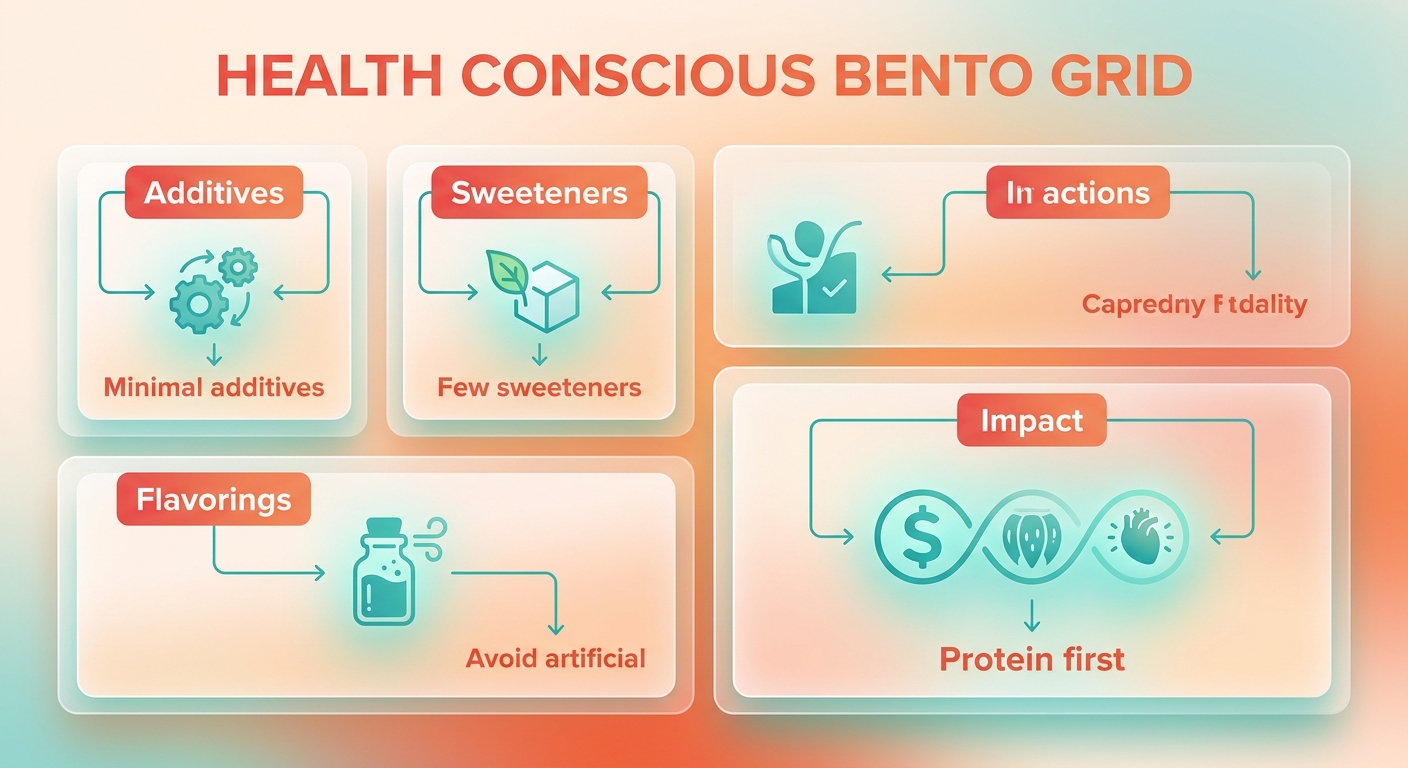
A simple formula signals a product that spends its budget on protein, not on masking cheap inputs. That's the pattern worth copying when you scan a label.
Flavor matters more than purists admit. A powder you actually enjoy is one you'll drink daily, and that consistency drives the real payoff. BBC Good Food's testers named Hermosa grass-fed whey their top pick partly on flavour, alongside ingredient quality. Taste and clean formulation aren't opposing goals. The best products hit both.
Spotting low-quality flavorings
Scan past the protein source and read the back half of the ingredient list. That's where artificial sweeteners, gums, and synthetic flavor agents hide. A long roster of unpronounceable additives usually means the maker is compensating for a lower-grade protein base. A quick checklist:
- Sweetener count. One sweetener is normal. A stack of three or four signals heavy flavor engineering.
- Ingredient length. A clean isolate like the NOW Sports pick keeps the list short. Long lists invite filler.
- Protein source quality. Grass-fed inputs, like those in the BBC Good Food top choice, often pair with cleaner formulas overall.
Use the same logic across flavors. A vanilla and a chocolate version of the same brand can carry very different additive loads. Compare both before you commit to a tub.
The smart way to compare formulas
Line up two or three candidates and read their labels against each other. The differences in sweeteners and flavoring agents jump out fast when you compare directly instead of judging one tub in isolation.
My take: don't chase a zero-additive ideal that doesn't exist at budget prices. A single sweetener and a short, readable ingredient list is the realistic target for low-cost whey. Save the scrutiny for tubs with bloated additive lists and vague "natural flavors" stacked three deep. Those are the ones masking a weaker protein base, and they're the easy skip.
References
[1] 17 Cheap and Healthy Sources of Protein - Healthline - https://www.healthline.com/nutrition/cheap-protein-sources
[2] 9 Best Cheap Protein Powders in 2026 - Torokhtiy Weightlifting - https://store.torokhtiy.com/blogs/reviews/best-cheap-protein-powder
[3] Best Protein Powders 2026 - Forbes Vetted - https://www.forbes.com/sites/forbes-personal-shopper/article/best-protein-powder/
[4] Whey Protein 101: The Ultimate Beginner's Guide - Healthline - https://www.healthline.com/nutrition/whey-protein-101
[5] Whey Protein Powder: Shop Quality Brands - Walmart.com - https://www.walmart.com/browse/health-and-medicine/whey-protein/976760_1166769_7458180_5532610
[6] The best protein powders 2026, tried and tested - BBC Good Food - https://www.bbcgoodfood.com/review/best-protein-powders
[7] Whey Protein 101: Types, Uses, Benefits | ATHLEAN-X - https://learn.athleanx.com/articles/whey-protein-101-when-which-and-why
[8] 10 Best Protein Powders, According to 3 Years of Testing (2026) - https://www.wired.com/gallery/best-protein-powders/
[9] a review on whey protein: benefits, myths and facts - ResearchGate - https://www.researchgate.net/publication/364384999_A_REVIEW_ON_WHEY_PROTEIN_BENEFITS_MYTHS_AND_FACTS
Frequently Asked Questions
1. How much whey protein should you actually take each day?
Most active adults benefit from 20 to 30 grams per serving, once or twice daily, to support muscle repair and hit a total intake of roughly 0.7 grams per pound of bodyweight. Spread it around training or meals where your whole-food protein falls short rather than overloading a single shake.
2. Can you mix cheap whey protein into hot drinks like coffee?
Whey blends fine into warm coffee or oatmeal, but very hot or boiling liquids can cause clumping as the protein partially denatures. The texture changes slightly, though nutrition stays intact. For a smoother result, stir a small amount of cool liquid first, then add the warm.
3. Is it safe to drink whey protein every single day?
Daily whey is safe for healthy adults and supports muscle, bone, and recovery benefits. Concentrate's lactose may bother sensitive stomachs, so isolate suits them better. Anyone with kidney disease should consult a doctor first. For most people, consistent daily use is exactly where the value and health payoff appear.
4. Will whey protein make you gain unwanted weight?
Whey itself won't cause fat gain unless it pushes your total daily calories above what you burn. A plain concentrate scoop runs around 110 to 130 calories. Isolate trims fat and carbs further for tighter calorie control. Weight change depends on overall diet, not the powder alone.
5. How long does whey protein last once you open the tub?
Sealed whey typically stays good until its printed expiration, often 12 to 18 months out. After opening, finish it within a few months for best quality. Keep the lid tight, store it cool and dry, and leave the desiccant packet inside to fight the moisture that causes clumping.
6. Is cheap whey worth it compared to plant protein for vegans?
Whey wins on cost per gram and complete amino acids for most people, but it's a poor fit if you're vegan or dairy-intolerant. Plant blends like pea-and-rice deliver comparable protein without lactose. Use a price comparison tool such as Popgot to weigh per-serving cost against your dietary needs.
7. Does a higher protein percentage always mean better value?
Higher percentage isn't automatically better value. Isolate's 90%-plus purity costs more per tub, so concentrate around 80% often delivers cheaper protein per gram for general use. Calculate price divided by total grams to compare honestly. Pay the isolate premium only when lactose sensitivity or calorie-cutting justifies it.