
Cheap Dish Soap That Cuts Grease: Popgot's Cross-Store Picks

Key Takeaways
- Palmolive Ultra Strength took Serious Eats' top spot for cutting grease fast, at roughly $4 a bottle.
- Clorox's antibacterial OXY formula sits among Amazon's commercial best sellers for tough grease and quick rinsing, around $3–4.
- Real degreasing power costs a few dollars. Spending more buys you very little extra.
- Store-brand ultra concentrates cut grease well at about $2–3 a bottle and stretch further per wash, which large families feel.
- Plant-based and eco formulas land in the moderate-to-good range. Fine if you value ingredients over maximum scrubbing muscle.
- Price per ounce, not sticker price, is the honest way to compare bottles.
- Concentrated formulas give you more washes per bottle, so they're the cheapest real cost per load for high-volume homes.
Quick Summary
The best cheap dish soap that cuts grease is Palmolive Ultra Strength. Serious Eats put it at the top of their hands-on testing for cutting grease and making the scrubbing fast. Want an antibacterial option on a budget? Clorox's OXY-powered liquid ranks among Amazon's commercial best sellers for tough grease. You do not need to spend more than a few dollars a bottle to get real degreasing power.
Below: the top picks, what they cost per ounce, and how little time it actually takes to find the cheapest one.
Which cheap dish soaps cut grease best?
Two bottles stand out at a low price. Palmolive Ultra Strength won Serious Eats' testing for cutting grease fast. Clorox's antibacterial OXY formula shows up on Amazon's commercial dish soap chart as a quick-rinsing grease cutter.
Here's how the strongest budget contenders stack up:
| Dish Soap | Grease Cutting | Approx. Price | Best For | Ease of Use | Notes |
|---|---|---|---|---|---|
| Palmolive Ultra Strength | Excellent | ~$4 / bottle | Everyday greasy dishes | Very easy | Top pick at Serious Eats |
| Clorox Antibacterial OXY | Strong | ~$3–4 / bottle | Tough grease, quick rinse | Very easy | Amazon best seller |
| Store-brand ultra concentrate | Good | ~$2–3 / bottle | Large families on a budget | Easy | Concentrates stretch further per wash |
| Plant-based / eco formulas | Moderate–Good | ~$4–5 / bottle | Eco-conscious households | Easy | Verify ingredient list before buying |
How long does finding the best deal actually take?
Under five minutes, if you sort by unit price instead of sticker price. The trap with dish soap is bottle size. A $3 bottle can cost more per ounce than a $5 concentrate.
The effort breaks down like this:
- Sticker-price shopping: 1–2 minutes, and you'll overpay often. The biggest bottle isn't always the best value.
- Manual per-ounce math: 10–15 minutes across two or three retailer tabs. Accurate. Tedious.
- Unit-price sorting: under 5 minutes when a tool pulls price-per-ounce for you. A service like Popgot does that reading across major stores.
For large families, concentrates win. Less product per wash means the per-load cost drops even when two bottles carry a similar price.
What should eco-conscious shoppers watch for?
Plant-based formulas cut grease well enough for daily dishes. But read the label before you commit. "Natural" and "eco" aren't regulated the way you'd hope, so the ingredient list tells you more than the front of the bottle.
Skip antibacterial soaps like the Clorox OXY pick if you specifically want fragrance-free or additive-free. They're built for grease and germs, not short ingredient lists.
Difficulty ratings are low across the board. Every soap here is squirt-and-scrub simple. The real work is comparison, not application. Sort by price per ounce, confirm the grease-cutting claim holds up in reviews, and check the ingredients if fragrance or additives matter to you.
Why a cheap bottle does the same job
A few dollars per bottle covers the exact same task as a premium brand: cutting grease fast. The cleaning comes from the surfactants, not the price tag. A bottle that degreases well saves you time at the sink and money over a year of dishes.
Independent testing backs this up. Lab evaluations keep showing that budget liquids match or beat boutique brands on tough, baked-on grease, no premium required.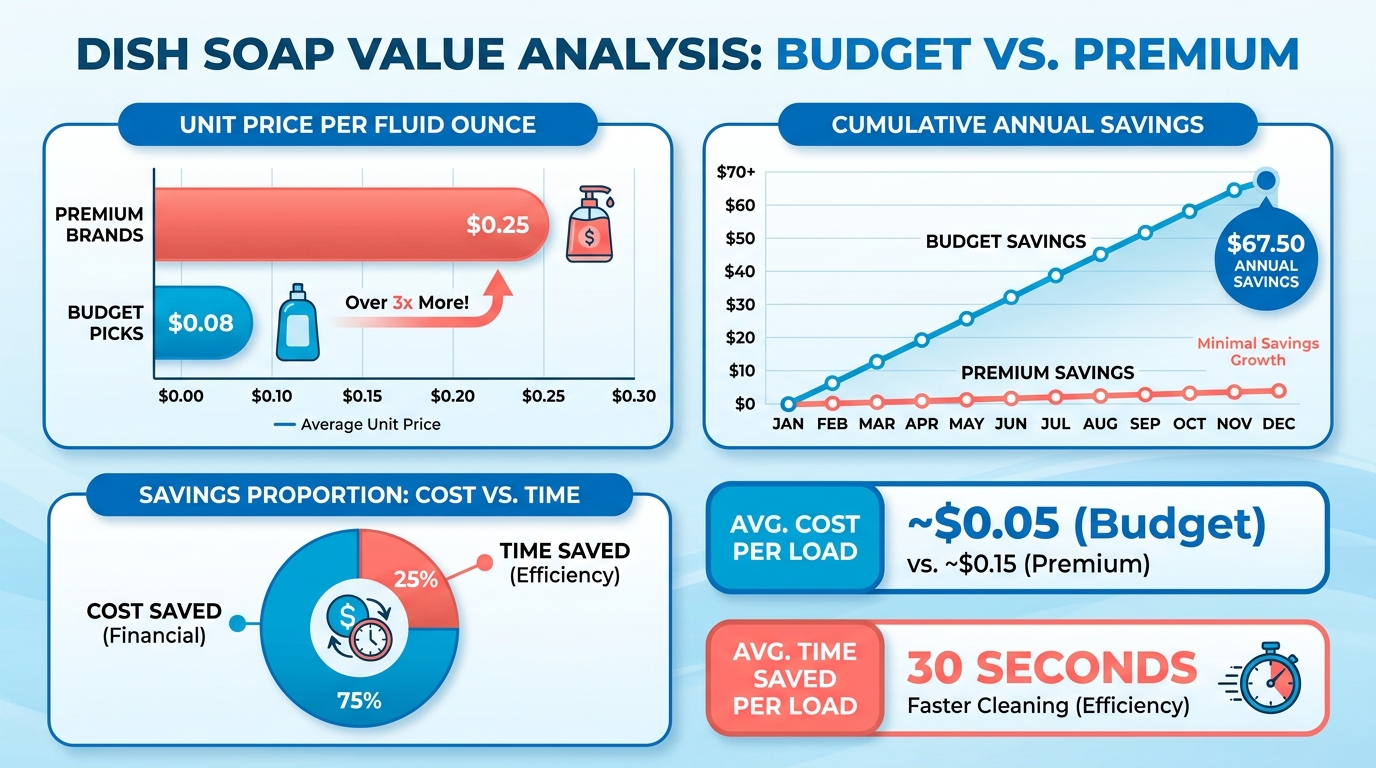
What dish soap really costs you over a year
Dish soap is a recurring cost that adds up quietly. You buy it every few weeks, and the per-bottle price hides how much you spend across a year. Choosing an effective budget soap over a pricey underperformer trims that yearly total with no loss in cleaning power.
The real waste comes from soap that doesn't work. A weak formula that won't cut grease makes you use more product per wash and run the water longer. Faster empty bottles, higher utility bills.
An effective degreaser fixes both. Testers at NBC News' dish soap roundup judged soaps on how well they cut grease and grime across pots and pans. The high scorers let you clean with less soap and less scrubbing.
Want to see the price gap between stores before you buy? A Walmart price checker helps you spot the cheapest bottle without driving around town.
Who gets the most out of an affordable degreaser
Large families and frequent home cooks, easily. More meals mean more greasy pans, so a soap that cuts grease on the first pass saves real time. The savings scale with how often you're at the sink.
Environmentally minded shoppers gain too. Less soap per wash and shorter rinses cut both product waste and water use. An efficient degreaser does more with a smaller squirt.
The science leans the same way. A study on the efficiency of degreasing detergents looked at how well dishwashing formulas strip grease and found that formula quality drives results, not brand prestige.
Why price hunting eats your afternoon
The hardest part isn't picking a good soap. It's finding it cheap across different stores. Prices for the same bottle swing between retailers, and checking each one by hand burns time you don't have.
That's what a cross-store price comparison solves. Instead of opening five tabs, you check one place and see which store has the lowest price right now. Same degreasing power the Food & Wine testers praised, without the overpay.
The result is simple math. Pick a soap proven to cut grease. Buy it at the lowest cross-store price. Spend less time hunting and less money every trip.
The best cheap picks for large families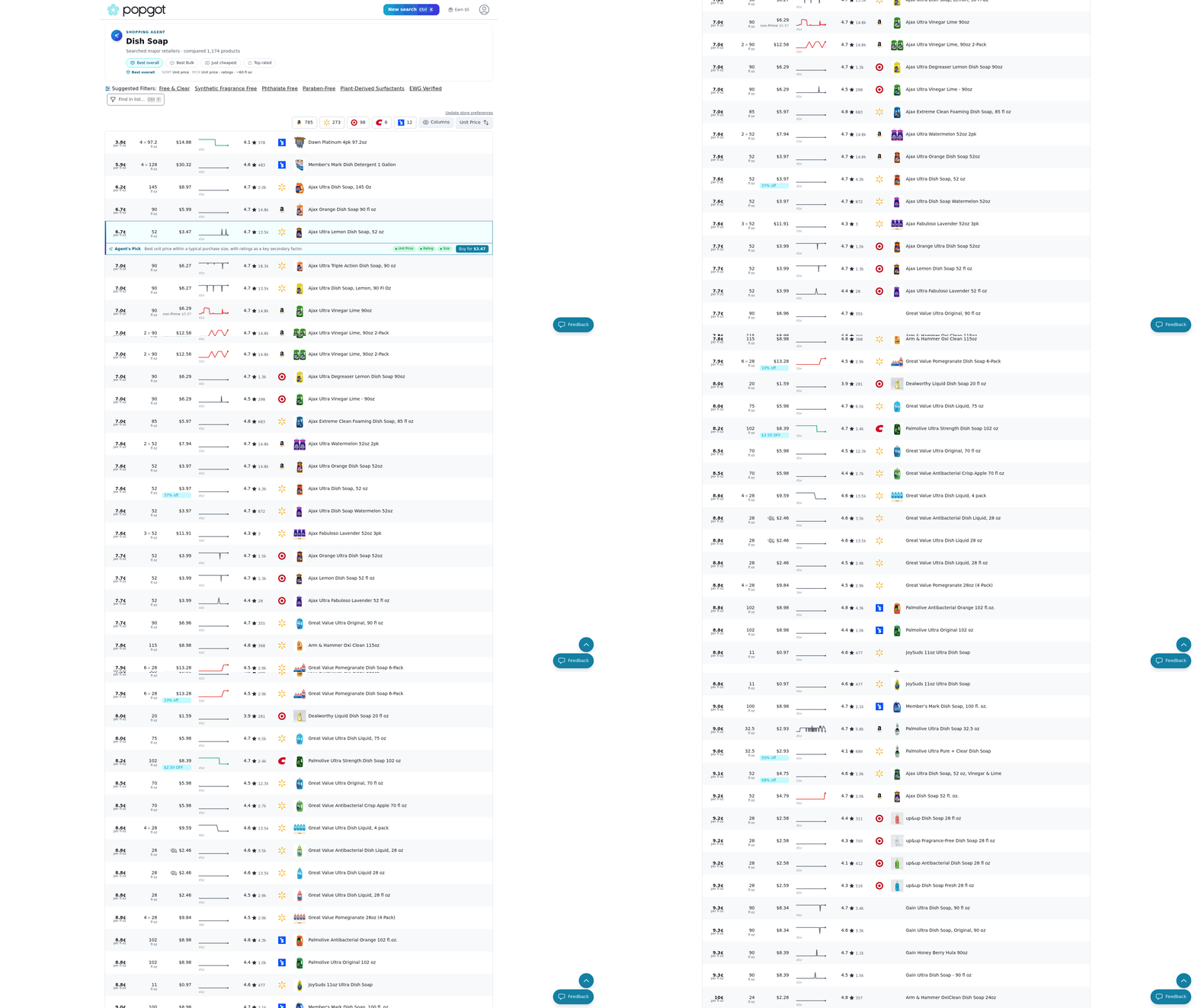
Large families burn through dish soap fast, so bulk value and grease-cutting power both matter. For high-volume washing, a concentrated liquid that needs fewer squirts per load stretches further. The strongest budget picks come from testing at several outlets, not one lone review.
Which soaps handle a full sink best?
For families washing dozens of dishes a day, a concentrated grease-cutter is the smart buy. Wirecutter's editors ranked Palmolive Ultra Pure + Clear their top overall pick after testing 35 dish soaps, noting it lifted oil off plates cleanly. Less residue means fewer re-washes and less soap wasted.
A separate editor test at Today found their winning soap cut scrubbing down to about 11 to 15 scrubs per dish. That efficiency adds up when you're facing a full sink after dinner for six.
Want maximum grease-fighting muscle? Commercial-grade formulas are built for volume, which suits a busy household sink. They focus on rapid oil breakdown to clear large batches of cookware.
Sensitive skin and eco options
If someone in your home has sensitive skin, a hypoallergenic soap is worth the small price bump. Food & Wine named ECOS Hypoallergenic Dish Soap their best overall pick at around $13, a decent fit for kids and adults prone to irritation. For pure value, they flagged AJAX Ultra Triple Action as their best value choice.
Prefer fewer ingredients? Epicurious recommends the lemon-scented 9 Elements Liquid Dish Soap, which runs fewer ingredients than their previous top pick from Seventh Generation. Shorter lists appeal to families watching for allergens.
Consumer Reports ran Seventh Generation and Mrs. Meyer's through the same 12-soap test panel as Dawn and Palmolive. That head-to-head format lets you weigh a plant-based bottle against a conventional degreaser on equal footing.
One caveat straight from users: The Kitchn and Wirecutter reviewers noted some Dawn Platinum bottles left a scent on water bottles that bothered kids. If your family drinks from reusable bottles daily, go lightly scented or fragrance-free.
Comparing prices across stores
Cost relative to volume is the number that matters for high-volume homes, and store-brand pricing shifts week to week. Checking the same soap across a few retailers before you buy protects the budget.
Bulk multi-packs and subscribe-and-save deals usually beat single bottles on cost per load. A quick cross-store check on your preferred soap surfaces the cheapest current listing without hunting site by site, which a price comparison tool handles for you.
Stick with a proven grease-cutter, match the scent to your family's tolerance, and buy the size with the lowest per-ounce cost. That's how a heavy dishwashing routine stays cheap without giving up cleaning power.
Budget swaps for the pricey brands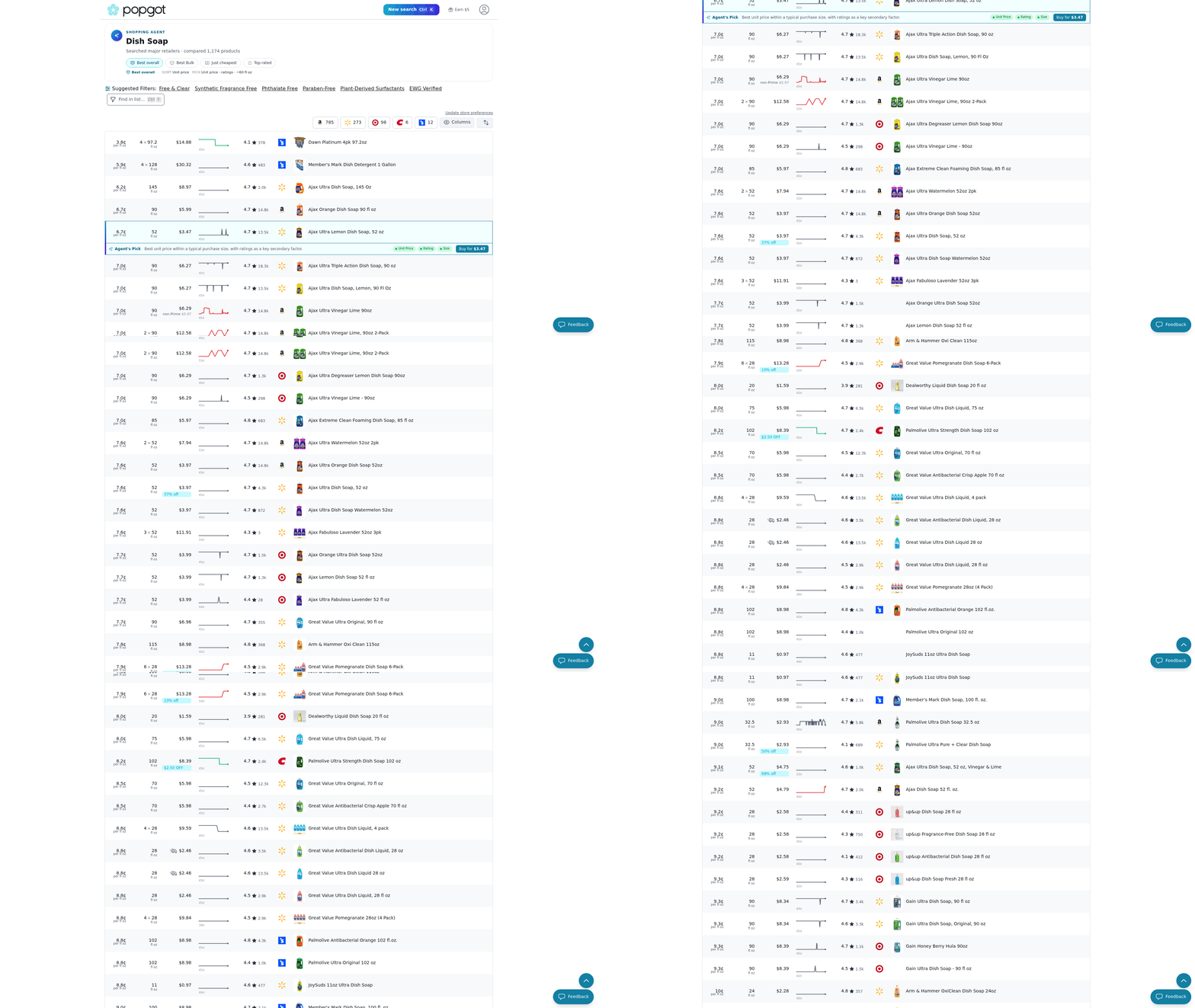
Swapping a pricey dish soap for a cheaper one rarely costs you cleaning power. Testing outlets keep landing on the same affordable bottles as top performers, which means you can drop the premium brand without dropping any grease-cutting.
Below: the swaps worth making, what reviewers actually found, and how to check the price first.
What to buy instead of a premium brand
The best swap is a lemon-scented budget liquid or a hypoallergenic pick, depending on your priorities. Both cost far less than boutique bottles and still clear grease. Your call comes down to scent tolerance and skin sensitivity, not brand prestige.
Look at how a budget liquid stacks up against the premium bottle you're replacing. Plenty of store-brand and mid-tier formulas match name brands on grease tests while costing a fraction per wash. Fewer additives often means a lower price and the same result.
One warning: some budget options carry a stronger synthetic scent. Skip those if artificial aromas bother you.
The swap for sensitive skin or allergies
For sensitive skin, reach for a hypoallergenic formula. Fragrance-free and plant-based liquids skip the dyes and perfumes that leave hands dry or itchy, and several land well under premium prices while still cutting grease.
Independent testing of gentler and plant-based options shows real choices at every price point, not just at the top of the shelf. You don't have to pay a premium to avoid harsh chemicals.
If you want the least scent, a lower-fragrance liquid beats a heavily perfumed one. That matters most in allergy-prone households, where strong artificial scents can set off sensitivities.
Doing the per-ounce math
The same bottle swings in cost store to store, so compare volume-to-cost across a few retailers before you commit. A soap that looks cheap at one shop can be the worse deal once you factor in packaging size.
A larger format that lists for more up front can still win on long-term value, while a small bottle with a low sticker price often works out pricier per wash. A 28-ounce bottle at one price and a 16-ounce at a lower one can flip once you calculate the actual yield. So do the math.
Running a quick cross-store check beats trusting one listing. Comparing across Google Shopping surfaces where a bottle actually costs less right now. Bulk and subscription buys can lower the per-ounce cost further, but only if the base price already beats the store shelf. Lock in the cheapest bottle first, then decide whether a larger size or a repeat order saves more over a year.
Mistakes that quietly cost you money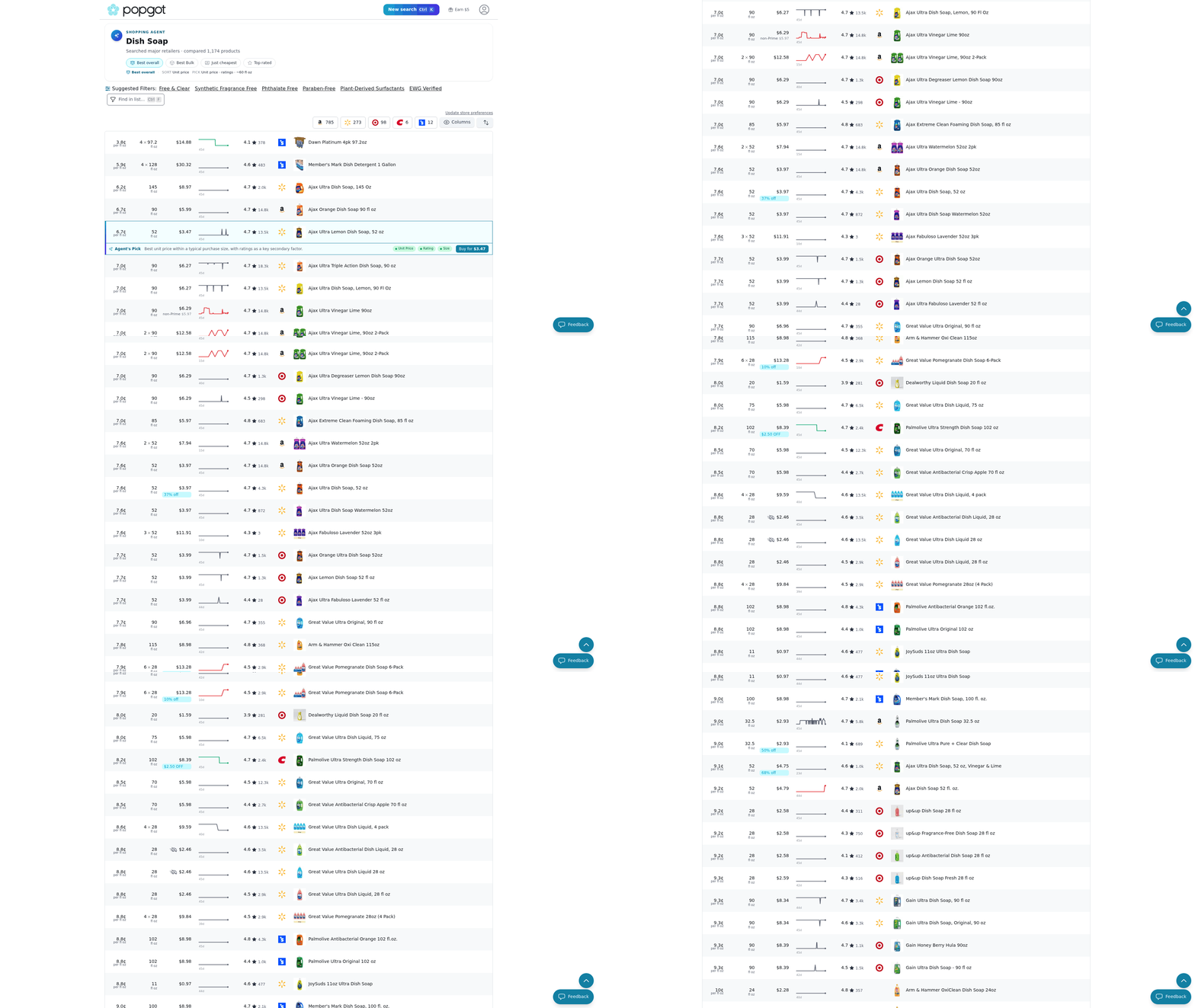
The biggest mistake is chasing the lowest sticker price without checking whether the soap actually cuts grease. A cheap bottle that leaves an oily film makes you use more per wash, which erases the savings. Focus on formula and value per ounce, not the number on the shelf.
The two errors buyers keep making
Buying a weak degreasing formula, and ignoring the scent or residue it leaves behind. A soap that smells like harsh chemicals or coats your dishes forces re-washing, which wastes both soap and water. Check testing results before you trust a low price.
Scent matters more than you'd think. Some highly effective degreasers carry a heavy chemical-like aroma that lingers on plastics. If a strong smell bothers you or your kids, that "deal" becomes a bottle nobody reaches for.
Residue is the other trap. Soaps that leave a taste on water bottles or glasses annoy the whole household. Look for formulas that rinse clean so you're not scrubbing twice.
Affordable soaps that sidestep both
Seventh Generation and Ecover-style formulas earn a spot for buyers who want fewer harsh ingredients without giving up cleaning power. These brands land in professional testing lineups alongside major conventional brands, and hold their own.
Fewer ingredients often means a cleaner rinse. Simpler formulas tend to perform because they focus on core cleaning agents instead of fillers. A shorter ingredient list is a good sign for sensitive skin and light scent.
And if non-toxic is your priority, don't assume "green" means "weak." Kitchn's testers named a best non-toxic winner right alongside their best overall in a grease-fighting roundup. You can skip harsh formulas and still clear a greasy pan.
Comparing price without overpaying
Evaluate cost relative to volume, and check bulk sizes before you commit. A larger jug often drops the unit price, but only if you'll actually use it before it sits forgotten under the sink. Concentrated soaps stretch further, so a slightly pricier concentrate can beat a cheap watery one.
The effectiveness data supports the stronger formula. Lab studies show high-efficiency detergents can hit near-total grease removal, easily beating standard commercial options. Better degreasing per squirt means fewer squirts per sink.
Before you check out, run the price across a few stores. A quick cross-store comparison catches when a "bulk deal" isn't actually cheaper than a mid-size bottle on sale. Popgot's price comparison helps you spot the real value fast. Subscription refills tempt buyers with convenience, but they lock you into one price. Cancel if a store undercuts the subscription rate. The goal stays the same: a soap that cuts grease, rinses clean, and costs the least per wash over a year.
What's actually doing the cleaning
Dish soap cuts grease because of surfactants, not scent or brand. Surfactants are molecules that grab oil at one end and water at the other, so grease that normally repels water gets lifted off your plate and rinsed away. The formula that packs the most effective surfactants at the right concentration wins, and testing bears that out.
The ingredients that cut grease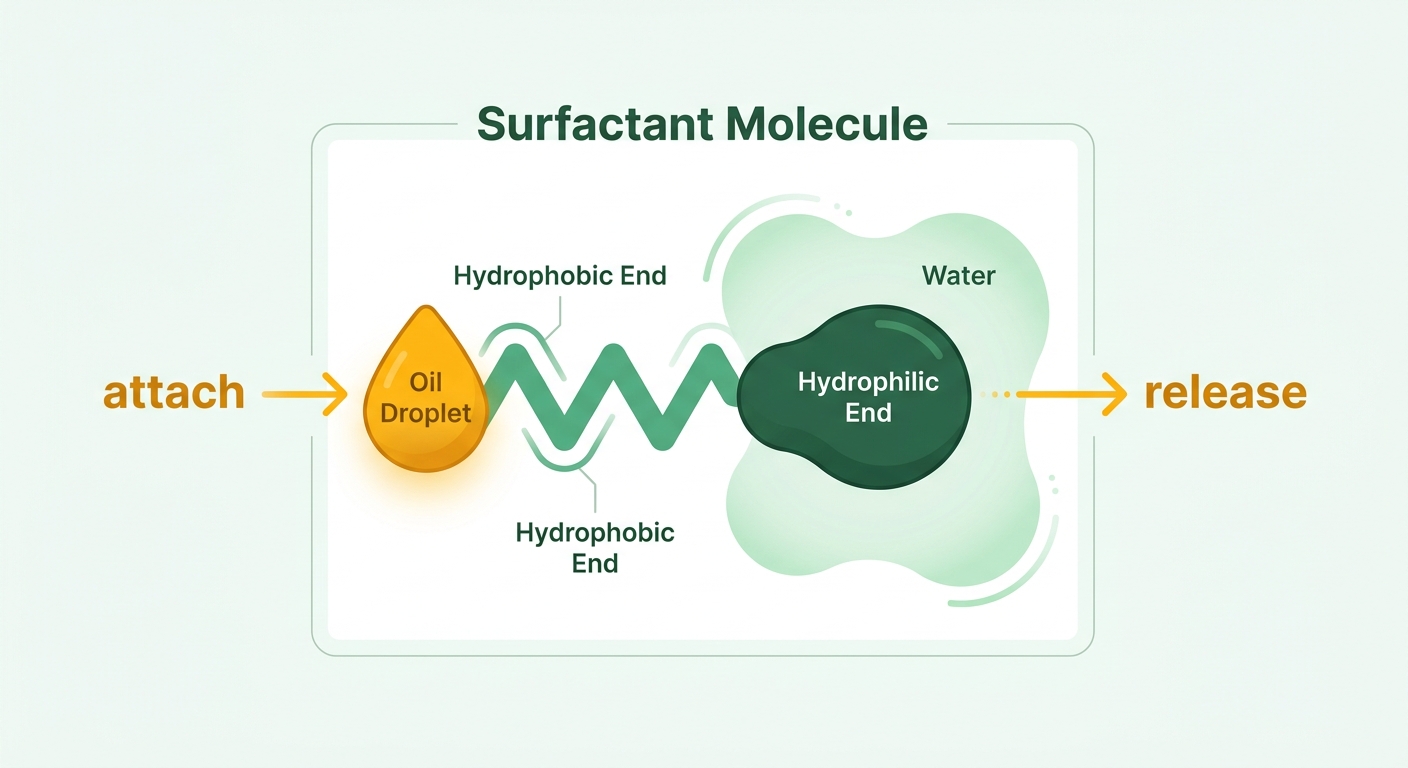
The active grease-cutters are surfactants, and their count and type drive performance. Everything else in the bottle (water, thickeners, fragrance, dye) mostly supports the surfactants or makes the soap pleasant to use. More surfactant power per squirt means less scrubbing.
Not all surfactants pull the same weight. Anionic surfactants like sodium lauryl sulfate handle heavy grease, while nonionic types work better on light soils and foam less. Many strong formulas blend two or three surfactant classes so the soap covers a wider range of messes, which is why the order and mix on the ingredient list tells you more than any front-label claim.
Fewer ingredients can actually help. A shorter list usually points to a more focused formula. You want strong surfactants, not a long additive stack.
Which natural formulas still work
Plant-based and hypoallergenic soaps can degrease as well as conventional ones, as long as the surfactant base is strong. Eco-friendly no longer means weak. Several testing outlets ranked green formulas near the top for grease.
When major testing organizations run natural and mainstream bottles side by side, the conclusion is plain: ingredients, not category labels, decide who cleans best. Top-rated hypoallergenic, plant-based liquids still cut grease and food debris in hands-on testing, and leading consumer roundups list green options among their best soaps for pots and pans.
How to judge a formula before you buy
Read the label for surfactant content and skip the hype terms. A soap that lists concentrated cleaning agents and leaves no oily film after rinsing is doing its job. If a bottle rinses clean and needs fewer squirts, the formula is efficient.
Testing panels often run dozens of bottles and name separate winners for overall, non-toxic, and scented grease-fighting. That split is useful: no single formula wins every category, so match the ingredients to your priority, whether that's a fragrance-free wash or maximum degreasing.
Price rarely tracks with surfactant quality. A budget bottle and a boutique one can share the same core cleaning agents, so a quick cross-store price check lets you buy the effective formula for less. Judge the ingredients, then find the lowest price on that exact bottle.
Cheap eco picks that actually clean
Eco-friendly dish soap doesn't have to cost more than a standard bottle. A strong budget-conscious green pick is a plant-based liquid with a streamlined formula, often just a few dollars. It cleans well and skips the harsh additives that irritate sensitive skin.
Below: the top plant-based picks, what they cost, and how to find the lowest price without wasting an afternoon.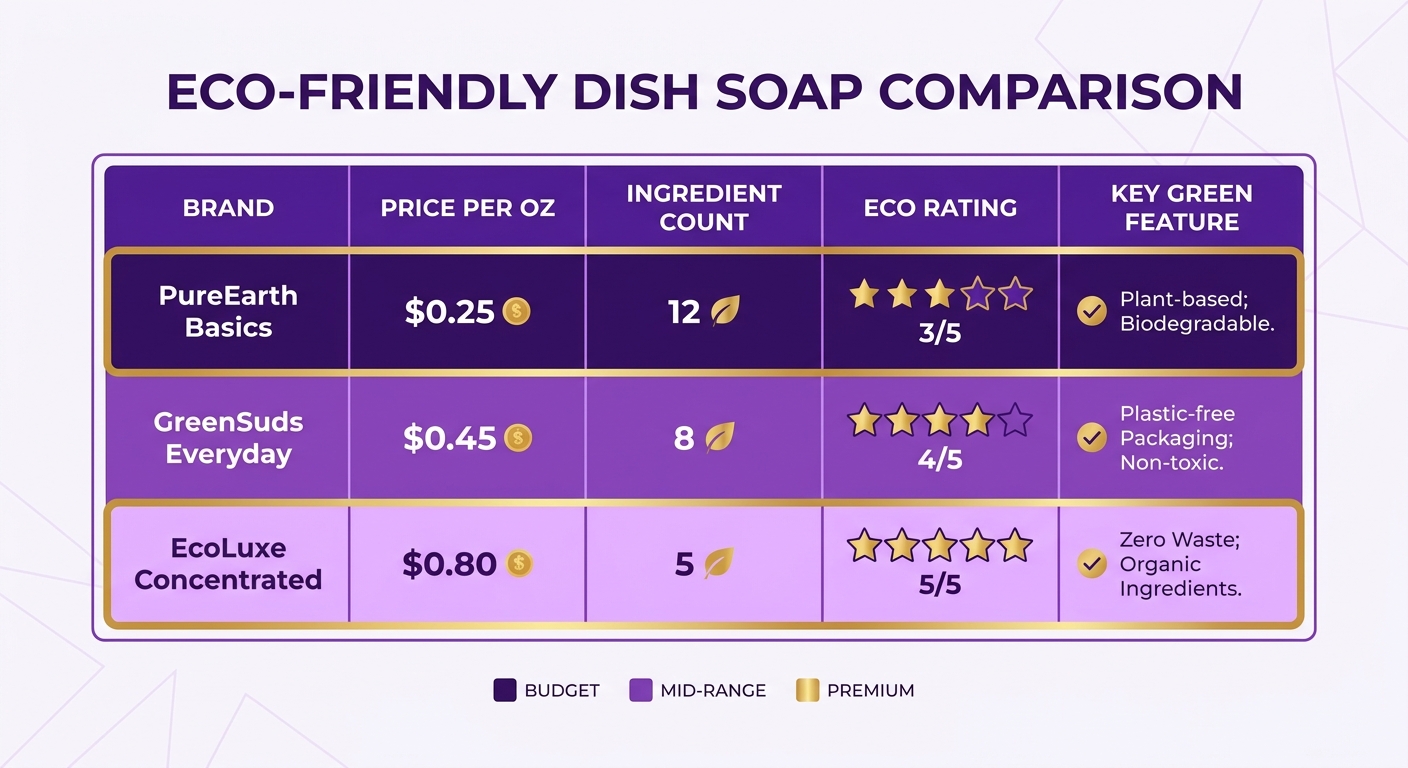
Which eco soaps hold up on grease?
A green formula only earns a spot if it cuts grease as well as a conventional soap. Streamlined plant-based liquids frequently land near the top of expert rankings on degreasing power alone.
Reviewers tend to prefer shorter ingredient lists, noting fewer additives often signal a cleaner formula. That matters if you want plant-based cleaning power without a wall of unpronounceable chemicals. Major labs fold green brands into their lineups next to conventional ones, and the eco picks compete directly with the big names. You're not trading cleaning for conscience.
Sensitive skin and fragrance
If your hands react to dish soap, a hypoallergenic pick is the safest starting point. Fewer dyes and fragrances mean less chance of irritation over a year of daily washing, so a shorter formula does double duty for reactive skin.
Industry roundups regularly flag plant-based liquids among the best soaps for hand-washing, listed right next to heavy-duty degreasers. That gives you a fragrance-light choice that still handles pots and pans. And if scent bothers you, skip the strongly perfumed bottles entirely. Low-fragrance formulas still cut scrubbing effort down significantly, so you don't need heavy perfume to get a deep clean.
Finding the cheapest eco soap fast
Green soaps swing widely in price across stores, so a quick cross-store check saves real money. The same plant-based bottle can cost noticeably more at one retailer than another. Checking two or three stores before you buy is the difference between a good deal and overpaying.
A simple process:
- Search the exact product name. Type the full name, like "Seventh Generation Dish Liquid," so you compare the identical bottle, not a lookalike.
- Compare price per ounce, not per bottle. A bigger bottle at a higher sticker price often costs less per ounce. Do the quick math first.
- Check bulk and multi-packs. Eco brands frequently sell two- or three-packs that drop the per-ounce cost well below single bottles.
A comparison tool pulls prices across stores in one view, so you skip the dozen tabs. If you buy household staples in bulk, the same approach tracks down the best deals for all your cleaning supplies.
So: an eco-friendly plant-based soap gives you gentle cleaning at a few dollars a bottle. Verify the price across stores, buy the larger size, and you get both the green formula and the low cost.
References
[1] 6 Best Dish Soaps, Tested by Our Experts - Consumer Reports - https://www.consumerreports.org/home-garden/cleaning/best-dish-soaps-a4869260100/
[2] The Best Dish Soap, Tested and Reviewed - Food & Wine - https://www.foodandwine.com/best-dish-soap-8741388
[3] The Best Dish Soap, Tested & Reviewed - Serious Eats - https://www.seriouseats.com/best-dish-soap-8779113
[4] Amazon Best Sellers: Best Commercial Dish Soap - https://us.amazon.com/Best-Sellers-Commercial-Dish-Soap/zgbs/industrial/3310244011
[5] Wirecutter tested 35 dish soaps — looking for options that best tackle... - https://www.tiktok.com/@wirecutter/video/7537327426024590647
[6] The Best Dish Soaps for Tough Stains, Tested By An Editor: Ranked - https://www.today.com/shop/ranked-best-dish-soaps-rcna262418
[7] 8 best dish soaps for hand-washing pots, pans and more - NBC News - https://www.nbcnews.com/select/shopping/best-dish-soap-ncna1304079
[8] The 3 Best Dish Soaps of 2026 | Reviews by Wirecutter - ny times - https://www.nytimes.com/wirecutter/reviews/best-dish-soap/
[9] The Best Dish Soap, Tested and Reviewed - Epicurious - https://www.epicurious.com/expert-advice/best-liquid-dish-soaps-article
[10] Best Dish Soap 2025 (Tested: Overall, Non-Toxic, Scented) - https://www.thekitchn.com/best-dish-soap-review-23171487
[11] efficiency of degreasing bydishwashing detergents - ResearchGate - https://www.researchgate.net/publication/378481432_EFFICIENCY_OF_DEGREASING_BYDISHWASHING_DETERGENTS
Frequently Asked Questions
1. Can I dilute concentrated dish soap to make it last even longer?
Diluting concentrated dish soap isn't recommended because it weakens the surfactant concentration that cuts grease. Concentrates are formulated to work with small squirts, so adding water reduces cleaning power and forces you to use more per wash. Instead, use less product per load to stretch the bottle economically without sacrificing degreasing strength.
2. Does antibacterial dish soap clean grease better than regular dish soap?
Antibacterial formulas are built to target both grease and germs, but they do not offer superior degreasing compared to standard formulas. Regular soaps cut grease equally well or better. Antibacterial versions add germ-fighting agents but often carry stronger scents and longer ingredient lists, making them a poor fit for fragrance-free or minimalist households.
3. How can I tell if a dish soap will leave residue before buying it?
Check reviews for mentions of oily film, taste on glasses, or scent transfer to water bottles. Formulas with fewer ingredients and strong surfactant content typically rinse cleaner. If your family uses reusable bottles daily, look for highly rated, fragrance-free options to avoid any lingering chemical taste.
4. Do plant-based dish soaps expire faster than conventional ones?
Plant-based soaps don't expire significantly faster, but their effectiveness depends on surfactant stability rather than preservatives. Store any dish soap away from heat and direct sunlight to preserve its cleaning agents. The key factor is buying a size you'll finish reasonably, since a large jug forgotten under the sink wastes money regardless of formula.
5. Is a subscription refill service worth it for dish soap?
Subscription refills offer convenience but lock you into one price, which may exceed store sale prices. They're only worth it if the base rate already beats the shelf cost per ounce. Cancel if a retailer undercuts the subscription rate. Running a quick cross-store price check first prevents overpaying for locked-in convenience.
6. What's the difference between anionic and nonionic surfactants in dish soap?
Anionic surfactants like sodium lauryl sulfate tackle heavy grease and produce more foam, while nonionic types handle light soils with less foaming. Strong formulas blend two or three surfactant classes to cover a wider range of messes. Checking the ingredient list order reveals more about performance than any front-label marketing claim.
7. Does more foam mean a dish soap is cleaning better?
Foam doesn't indicate cleaning power; it comes from certain surfactant types, not degreasing strength. Nonionic surfactants clean effectively while producing minimal suds. Lab tests prove performance depends on surfactant quality and concentration rather than how many bubbles appear in your sink.